Complete Malaysia Guide
Malaysia spans two territories separated by 600 kilometres of sea: the peninsula, where Kuala Lumpur, Penang and the Cameron Highlands concentrate Malay, Chinese and Indian heritage, and Malaysian Borneo (Sabah and Sarawak), covered in primary forests where wild orangutans still live. This dual identity explains why a single trip can shift from Georgetown's street food to the longhouses of Sarawak, with a one-hour-forty-minute domestic flight.
Our team based in Kuala Lumpur works with local guides in each region: naturalists in Sepilok, divers in Mabul, English-speaking drivers on the peninsula. The equatorial climate stays warm year-round (27-32°C in the lowlands), but rainfall varies by coast: the east coast of the peninsula closes its islands between November and February, while Borneo is best visited between March and October. The Cameron Highlands, at 1500 metres, drop to 15°C at night.
For a first trip, we recommend combining two or three contrasting areas: a city (Kuala Lumpur or Penang), nature (Taman Negara or Borneo), a beach (Langkawi, Perhentian or Tioman depending on the season). Plan a minimum of twelve days to avoid rushing.
The regions of Malaysia
Each region has its own personality: climate, landscapes, pace of life and ways of traveling. Our local team helps you choose the combination that suits you.
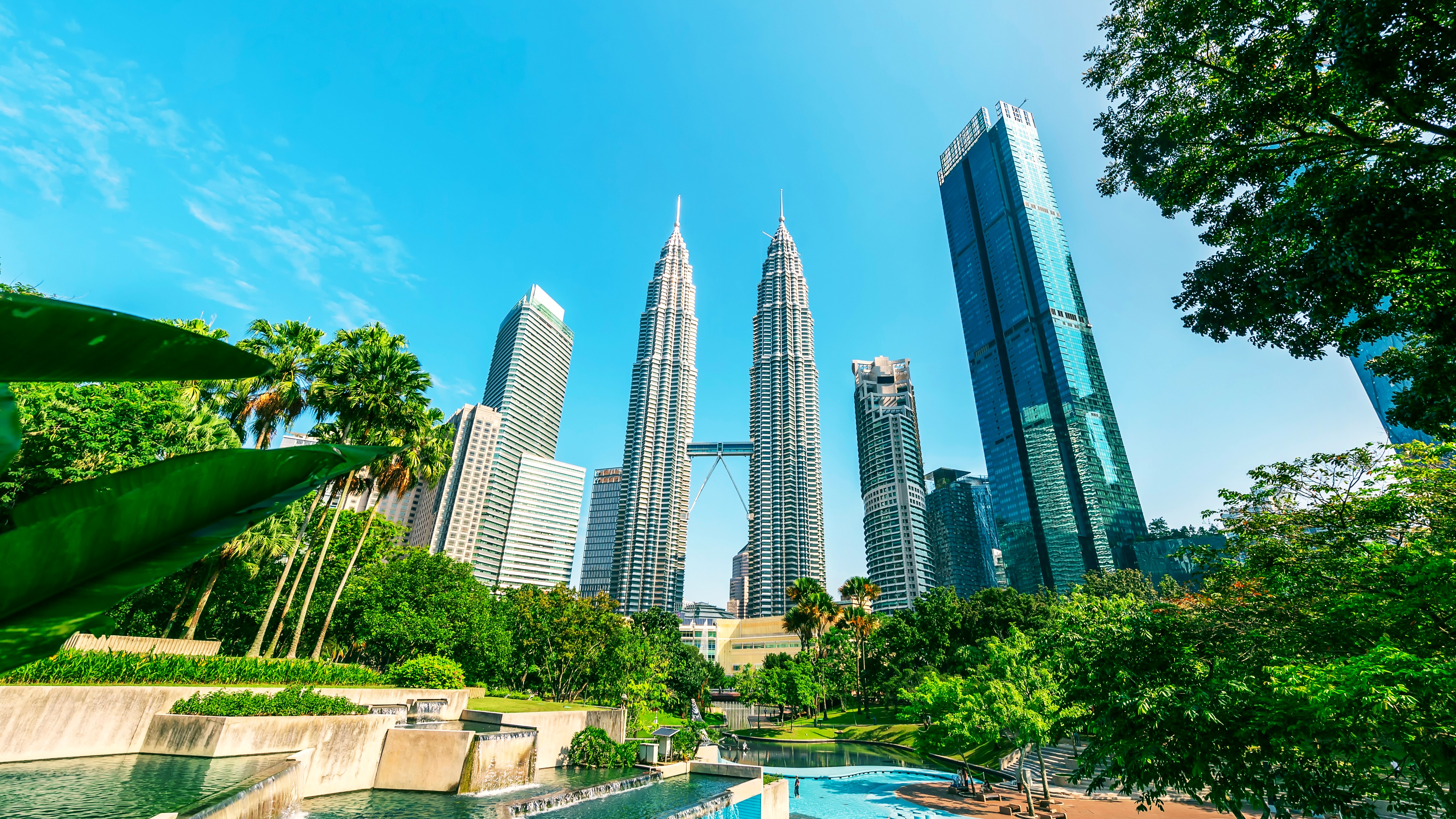
Kuala Lumpur
The federal capital blends Petronas towers, mosques and Chinatown markets across a few square kilometres. Food is available at all hours: nasi lemak for breakfast, char kway teow at Jalan Alor in the evening. The Brickfields (Little India) and Kampung Baru (Malay village in the heart of the city) neighbourhoods showcase Malaysian pluralism. Temperatures hover around 32°C with brief showers in late afternoon. Two to three nights are enough to soak in the atmosphere before heading to Melaka or the Cameron Highlands. Our agency is based here, ten minutes from KLCC.
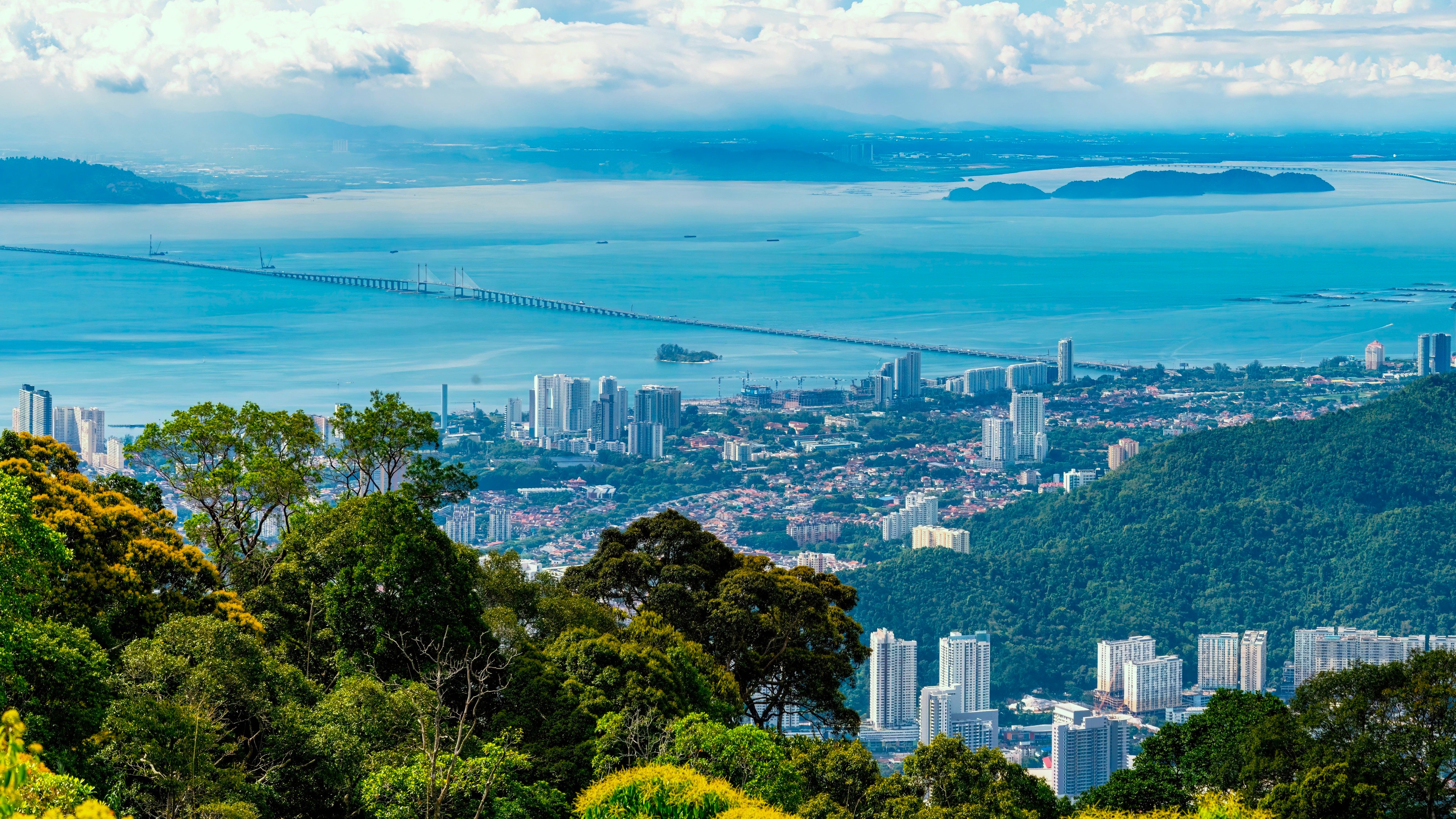
Penang
The island of Penang, in the northwestern peninsula, is home to Georgetown, a UNESCO-listed site renowned for its Sino-Portuguese colonial center. You can explore on foot among shophouses, Chinese temples, Indian mosques, and vibrant murals in the Armenian Street quarter. The cuisine is considered the best in the country: laksa assam, hokkien mee, cendol at the hawker centers. Beyond the city, Penang Hill (833 m) offers a refreshing escape, while the national park in the northwest features tranquil beaches. Plan for three nights, avoiding the end of monsoon season (September-October).
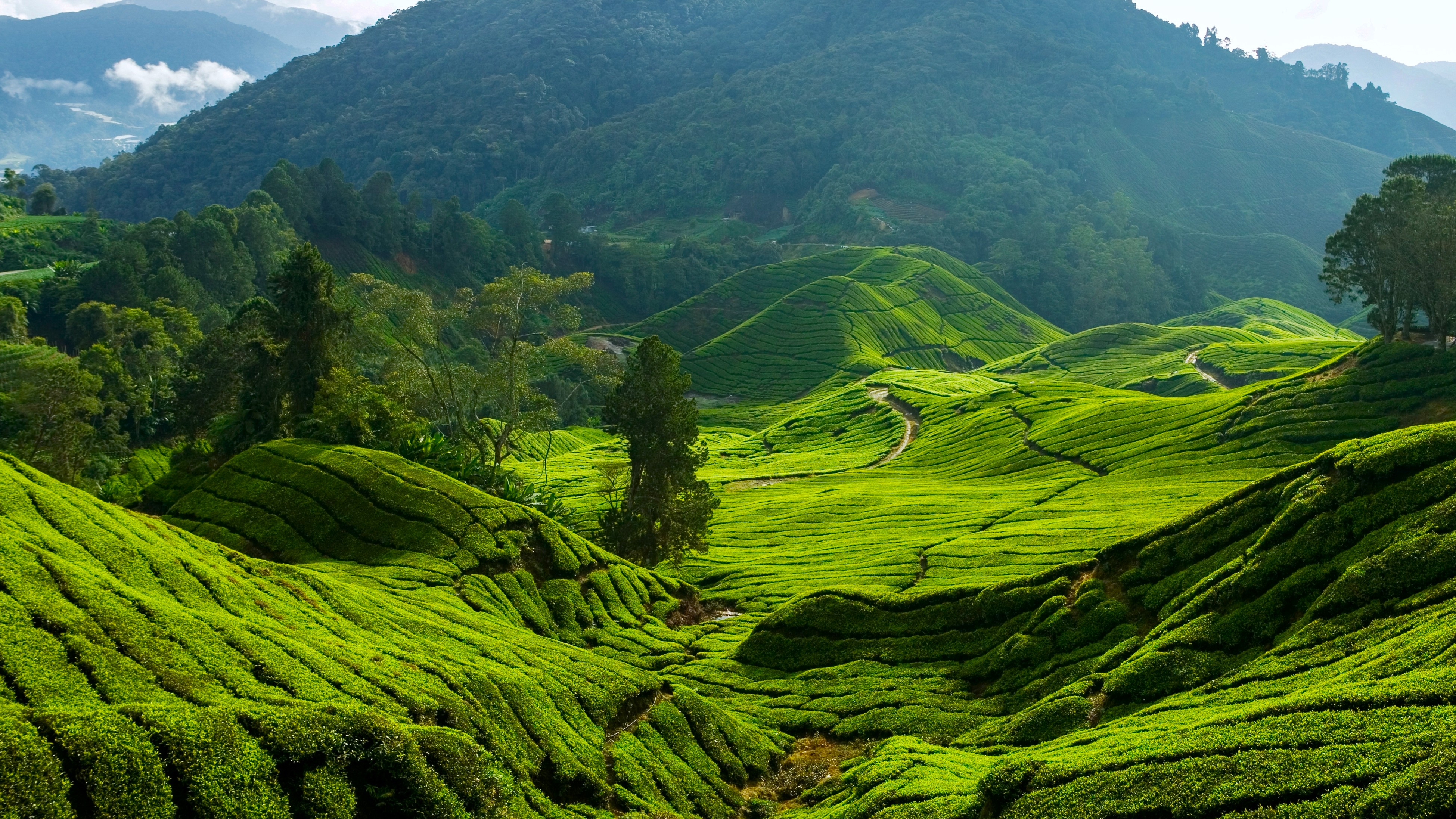
Cameron Highlands
At 1,500 meters altitude, the Cameron Highlands offer a mild climate (15-22°C) that contrasts with the plains. Boh tea plantations, strawberry farms, and mossy forests cover the slopes around Tanah Rata and Brinchang. It's also the starting point for short hikes (2 to 4 hours) in the highland jungle, with a guide to spot rafflesias in season. Two nights allow for a plantation visit and a walk. The road from Ipoh is winding; allow three hours for the journey.
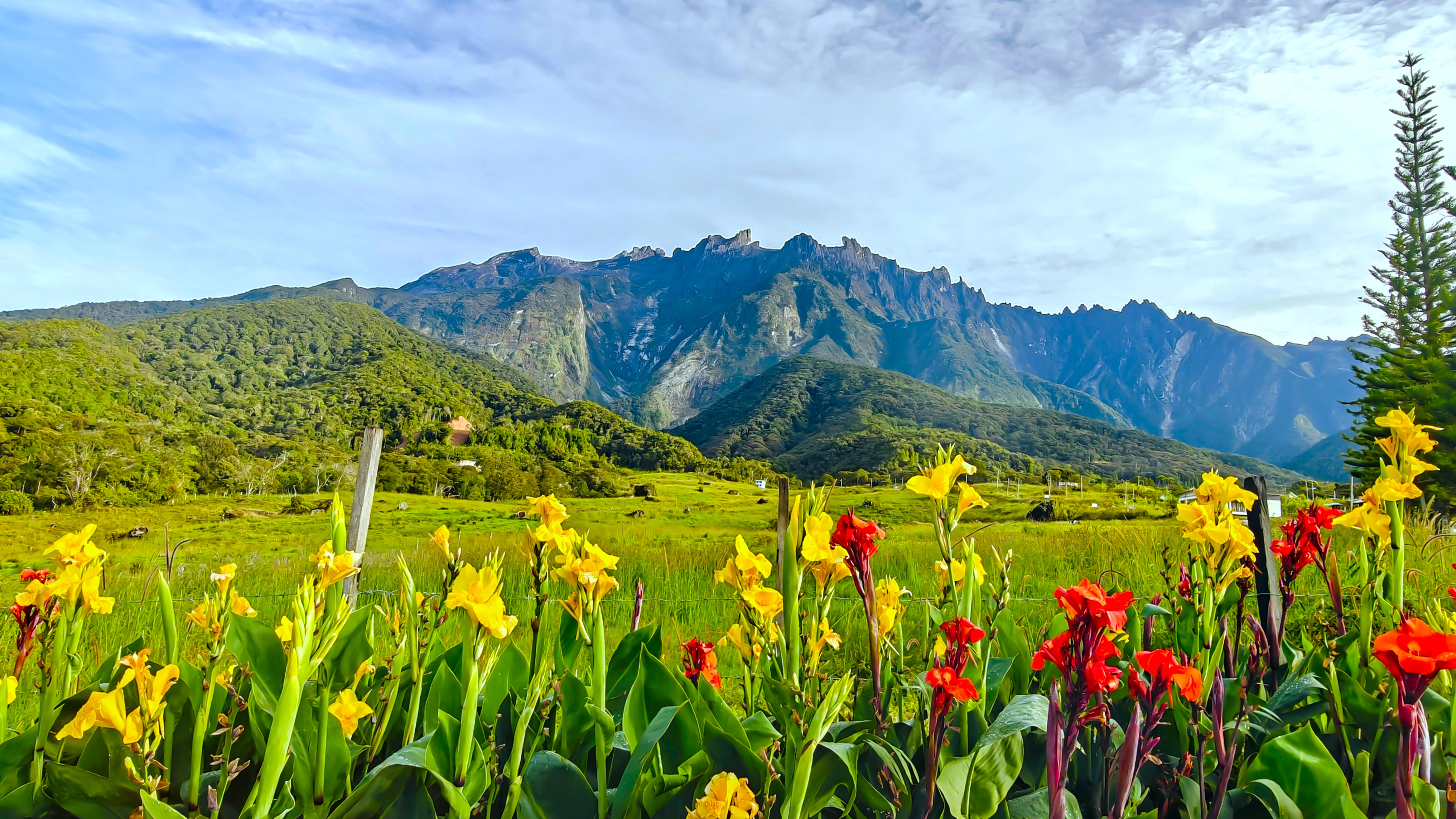
Borneo - Sabah
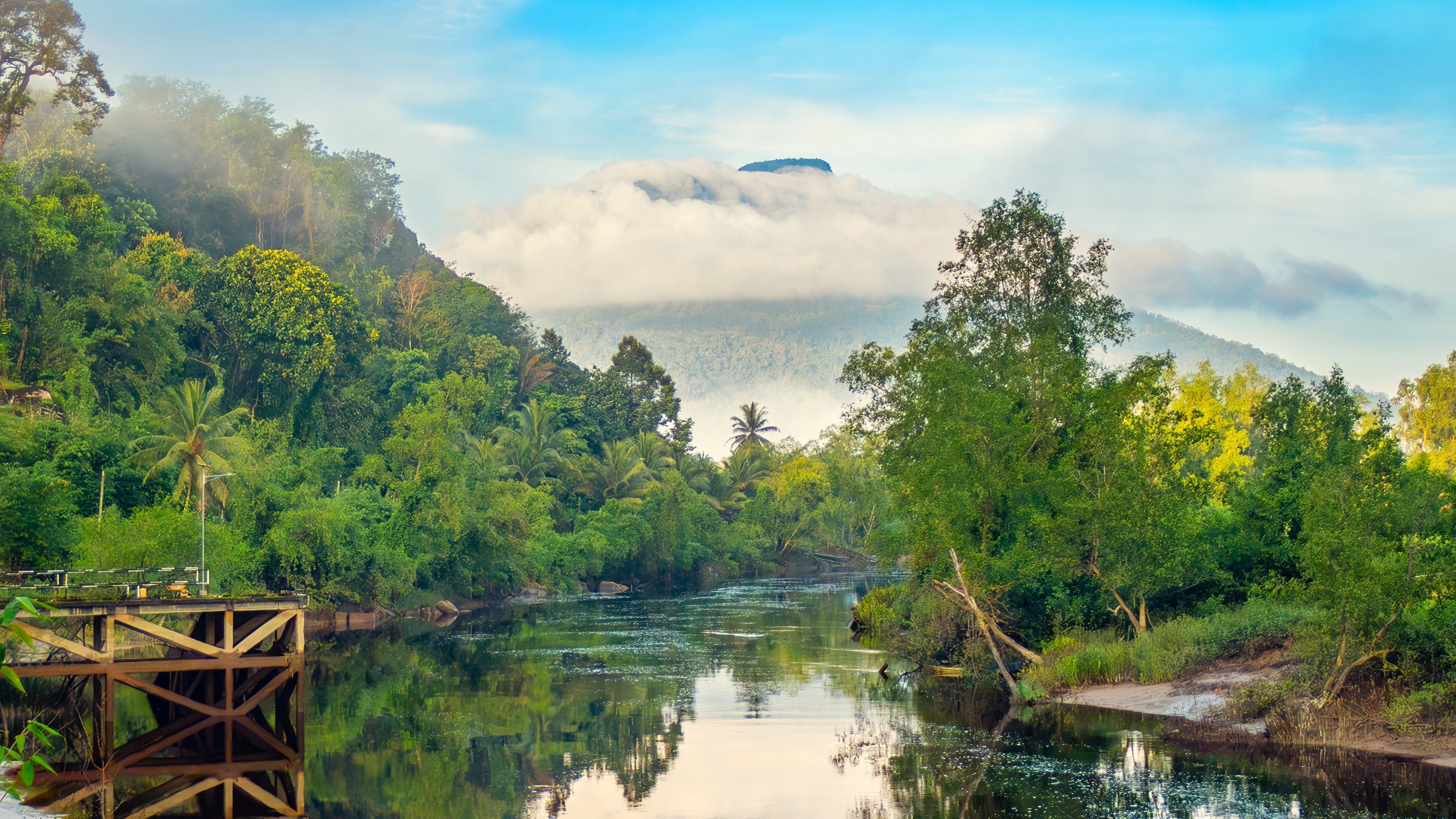
In northern Borneo, Sabah concentrates the most emblematic wildlife: orangutans at the Sepilok center, proboscis monkeys on the Kinabatangan River, whale sharks at Mabul. Mount Kinabalu (4095 m) can be climbed in two days with a permit. Kota Kinabalu serves as a logistical base, with direct flights from Kuala Lumpur in two hours forty minutes. The best period extends from March to October, with more frequent rainfall in November-January. Allow a minimum of one week to combine wildlife, sea and culture. Our team works with ecological lodges along the Kinabatangan.
Borneo - Sarawak
Sarawak, more discreet than Sabah, retains a pioneering atmosphere. Kuching, its capital, is a pleasant river city where you can visit the Dayak cultures museum and Sunday markets. The national parks of Bako (proboscis monkeys, wild beaches) and Gunung Mulu (giant caves, UNESCO-listed karst pinnacles) can be visited in two to four days. The long Iban and Bidayuh houses, accessible by canoe, allow for a night with local families. The climate remains humid year-round, with peak rainfall between November and February.
Islands and beaches
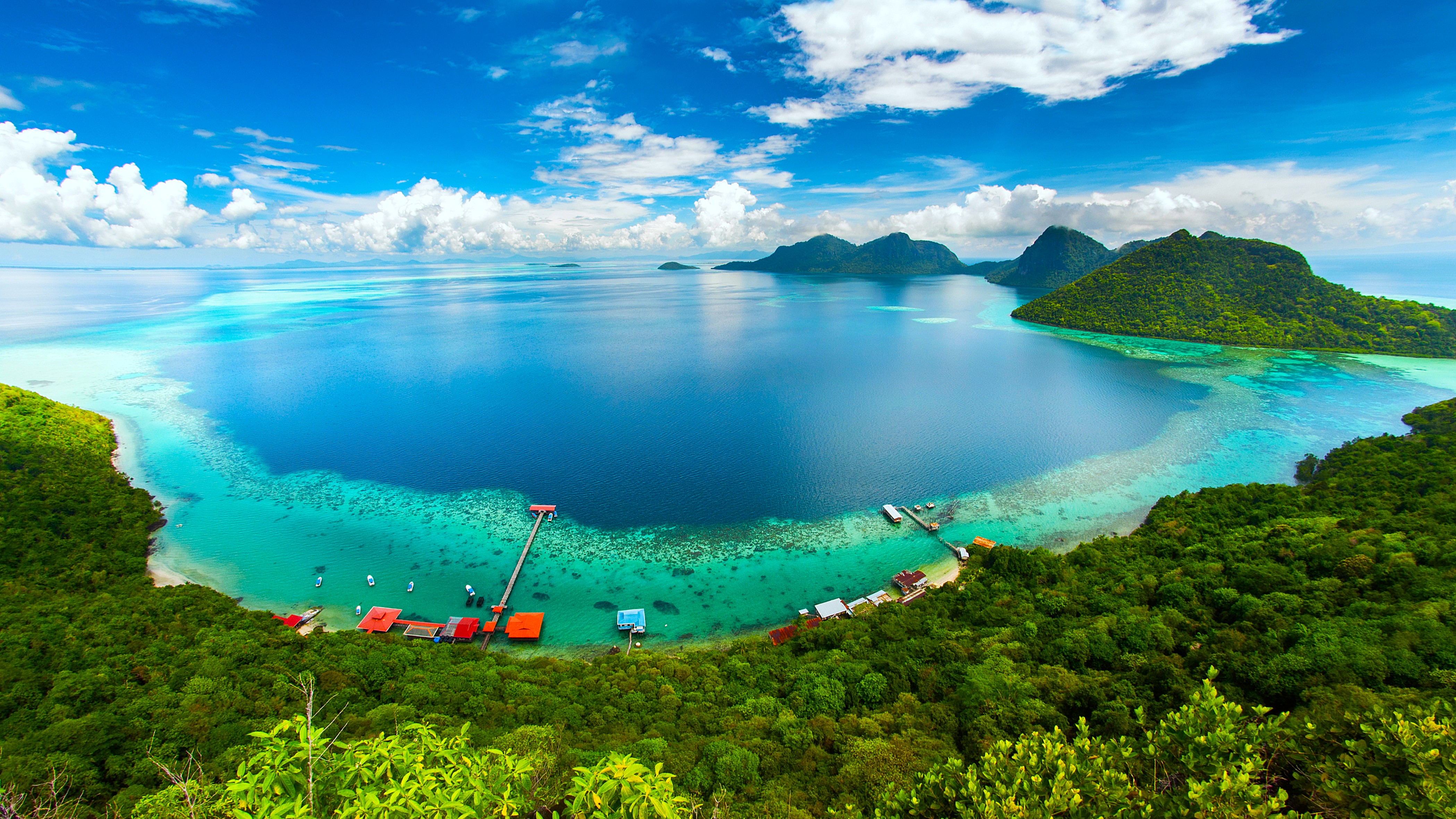
Malaysia has three distinct archipelagos. On the west coast, Langkawi can be visited year-round and combines beaches, mangroves, and cable car. On the east coast, the Perhentian and Tioman islands close from November to February (northeast monsoon), but offer world-class snorkeling from March to October with 25-meter visibility. Further east, Sipadan, off the coast of Sabah, remains a world-class diving site with limited permits. Our agency books Sipadan permits several months in advance.
Explore by theme
Unique experiences tailored to every traveler.

Culture & Heritage
Temples, musées, sites historiques
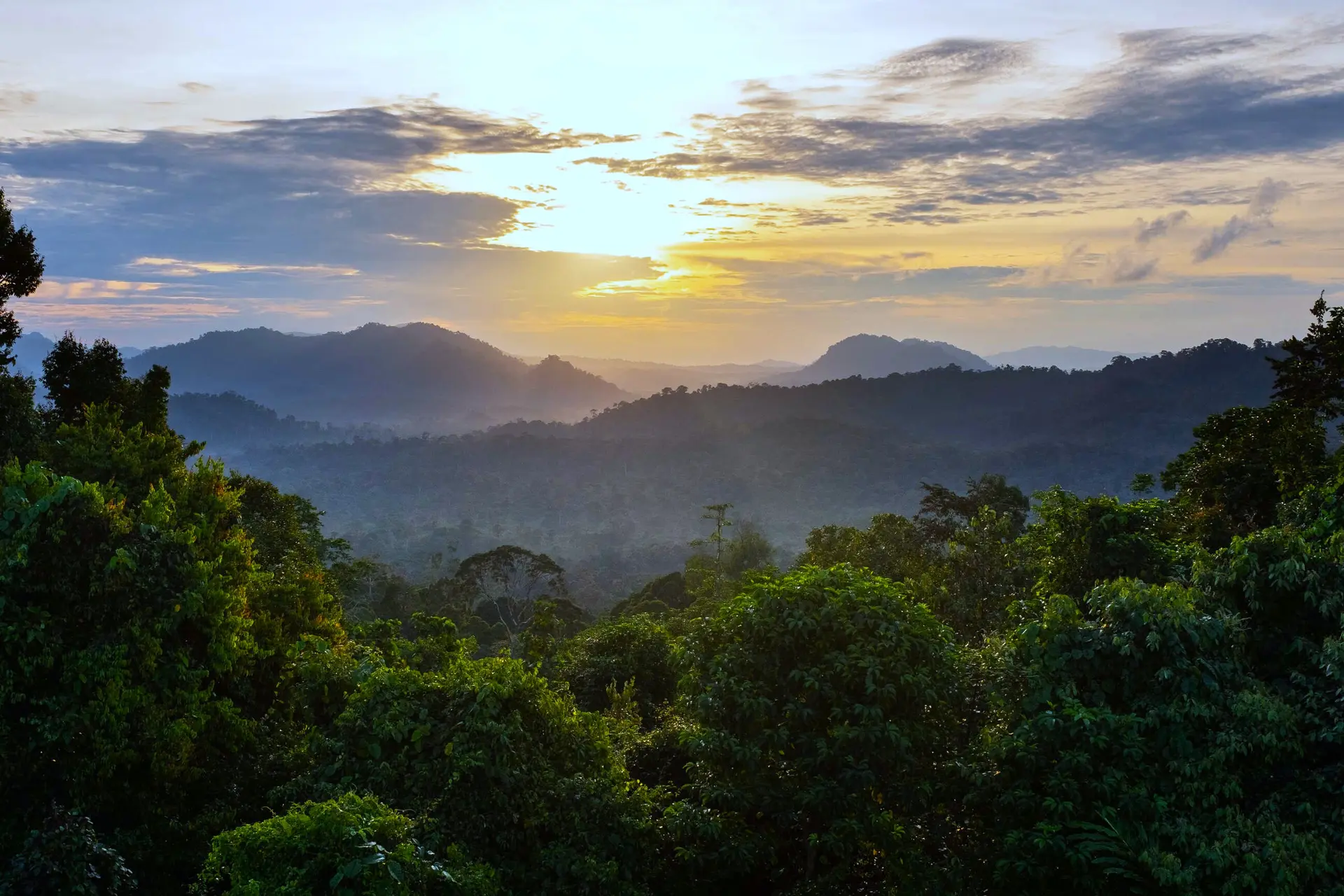
Nature & Landscapes
Parcs nationaux, montagnes, forêts
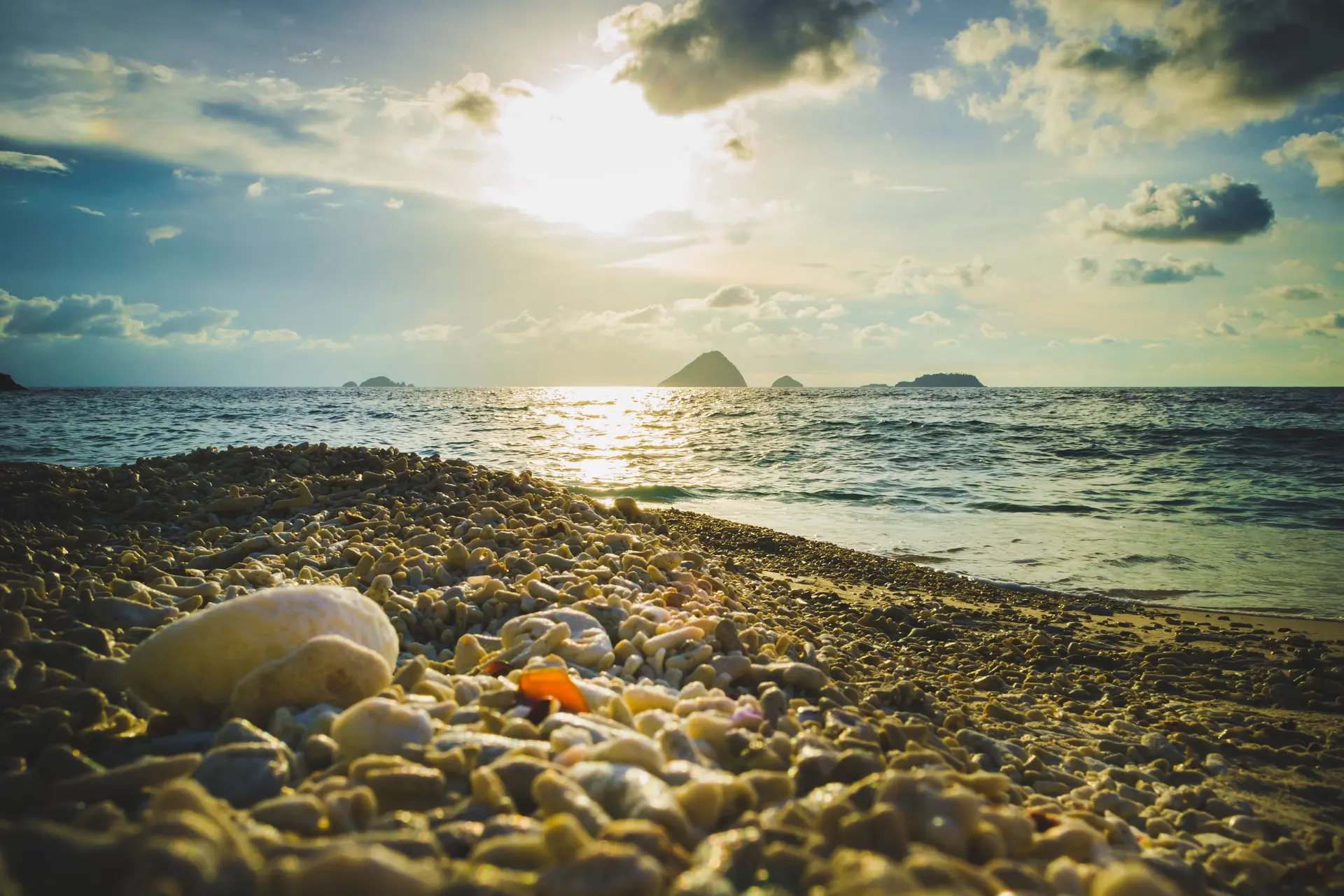
Sea & Beaches
Littoral, îles, sports nautiques
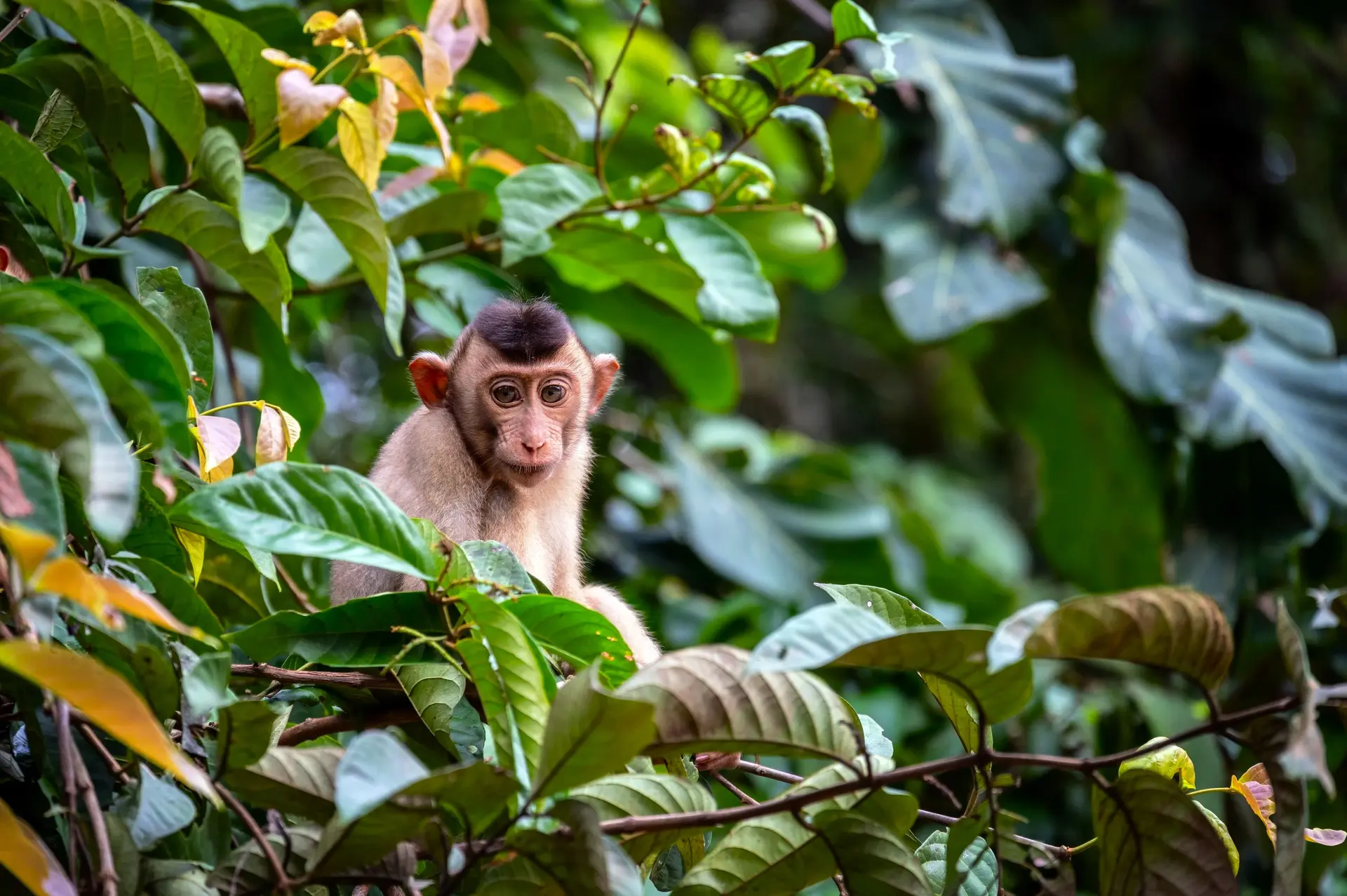
Wildlife & Biodiversity
Observation animale, sanctuaires, réserves

Activities & Adventure
Trek, kayak, escalade, sports outdoor

Gastronomy
Cuisine locale, marchés, cours de cuisine
We use cookies to improve your experience and measure our site's audience. You can choose what you accept. Learn more.