Practical information Malaysia
Planning a trip to Malaysia requires some practical guidance that David and our team based in Kuala Lumpur have gathered here. For French, Belgian, Swiss or Canadian nationals, no visa is required for a tourist stay of up to 90 days: a simple stamp upon arrival at KLIA airport is sufficient, provided you have a passport valid for six months and an outbound ticket. Health-wise, no vaccination is mandatory unless you're arriving from a yellow fever zone, but we recommend hepatitis A and B, typhoid and antimalarial treatment for jungle stays in Borneo. The average budget is around 80 to 120 euros per day and per person excluding international flights, in mid-to-upper comfort, with the Malaysian ringgit (MYR) at approximately 4.8 to 1 euro. The equatorial climate requires you to consider regions by season: the east coast of the peninsula closes its islands from November to February, while Borneo is best visited from March to October. Transport combines efficient domestic flights (AirAsia, Malaysia Airlines), modern trains on the west coast and cars with drivers for rural areas. Malaysia remains a safe country, English-speaking moderately, with etiquette marked by the dominant Muslim culture: covered clothing in mosques, right hand at table, removal of shoes at the entrance to homes and temples.
Plan your trip by theme
Explore our practical guides organized by category to quickly find the information you need.
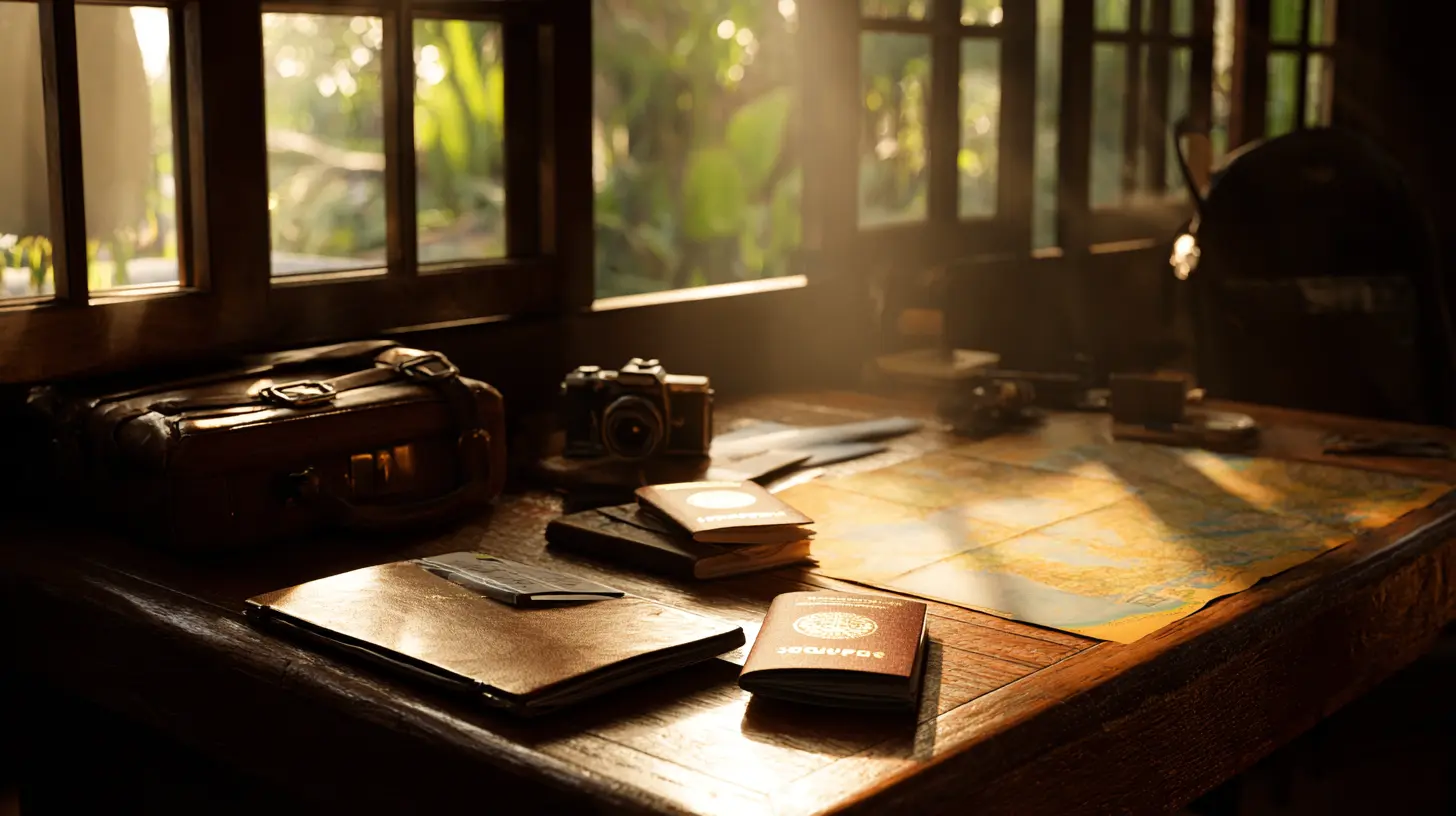
Before You Go
Valid passport for six months, free 90-day visa stamp on arrival, travel insurance and recommended vaccinations to arrange in advance.
4 articles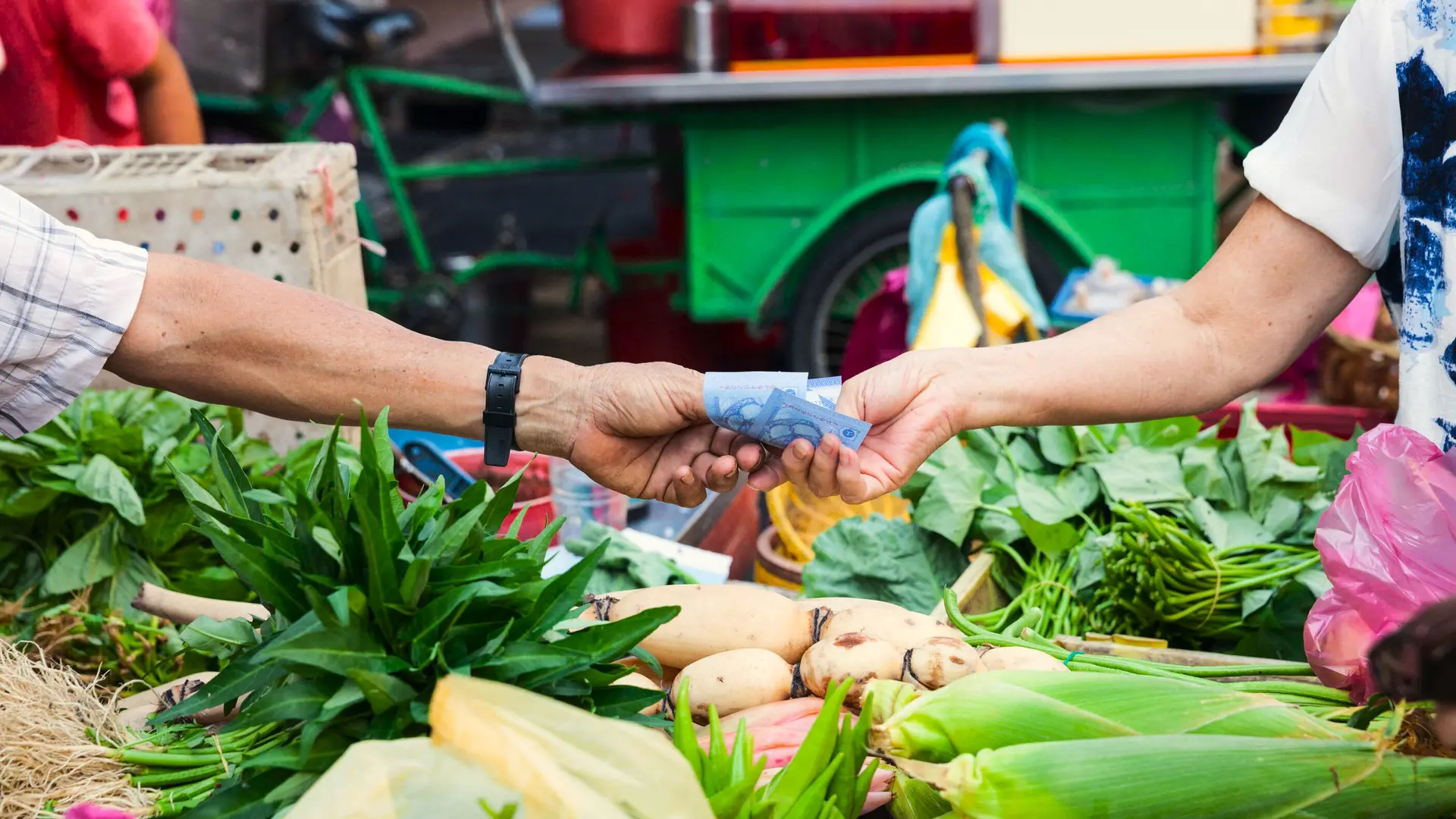
Budget
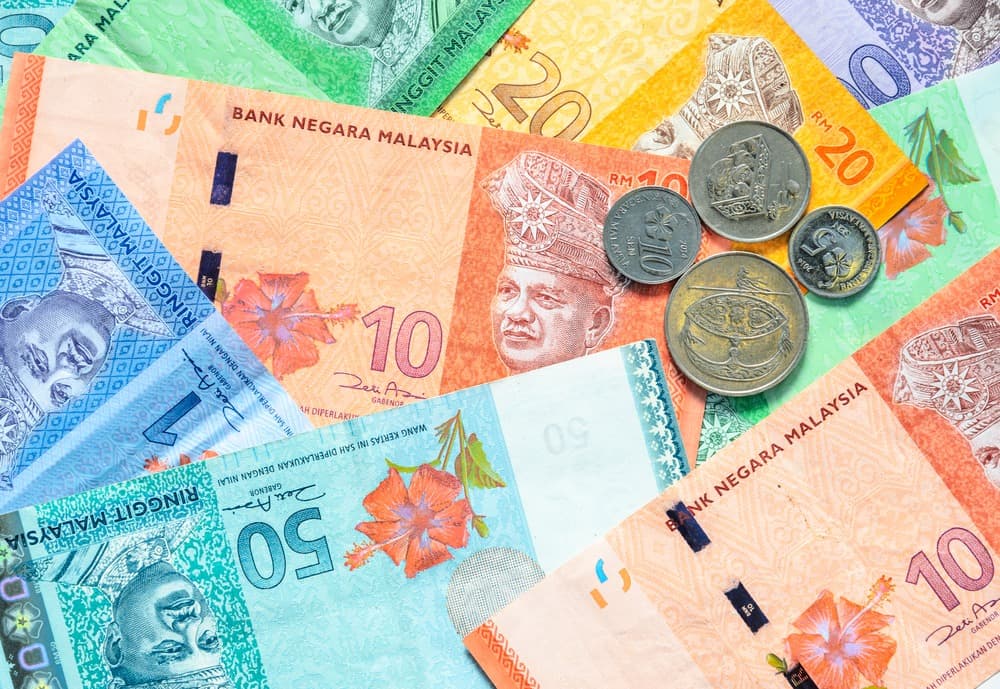
Malaysian ringgit at 4.8 MYR per 1 euro, budget 80-120 €/day/person, cards accepted everywhere, tips not mandatory.
3 articles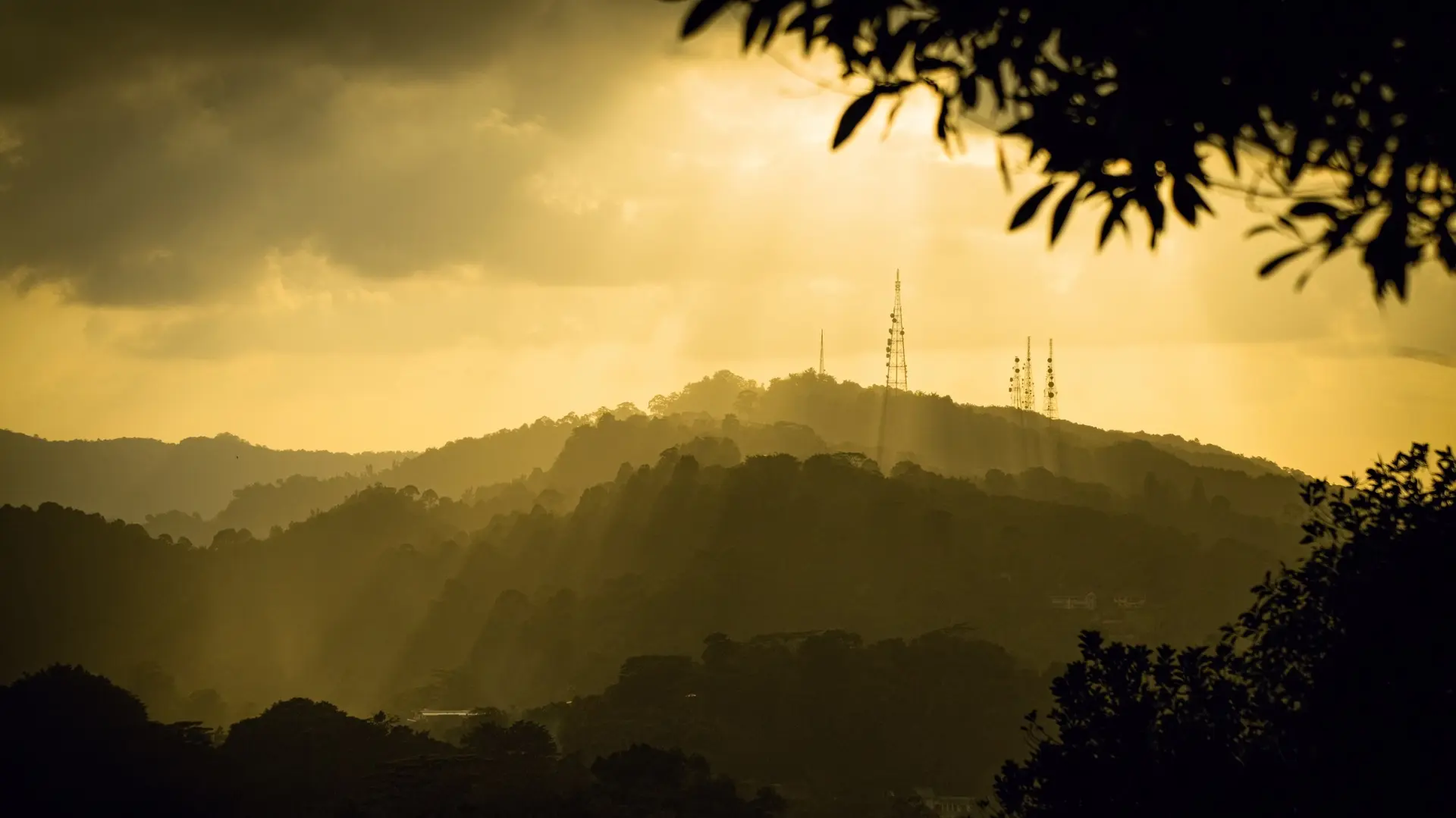
Climate Season
Equatorial climate 27-32°C year-round, monsoon east coast November-February, Borneo drier March to October.
2 articles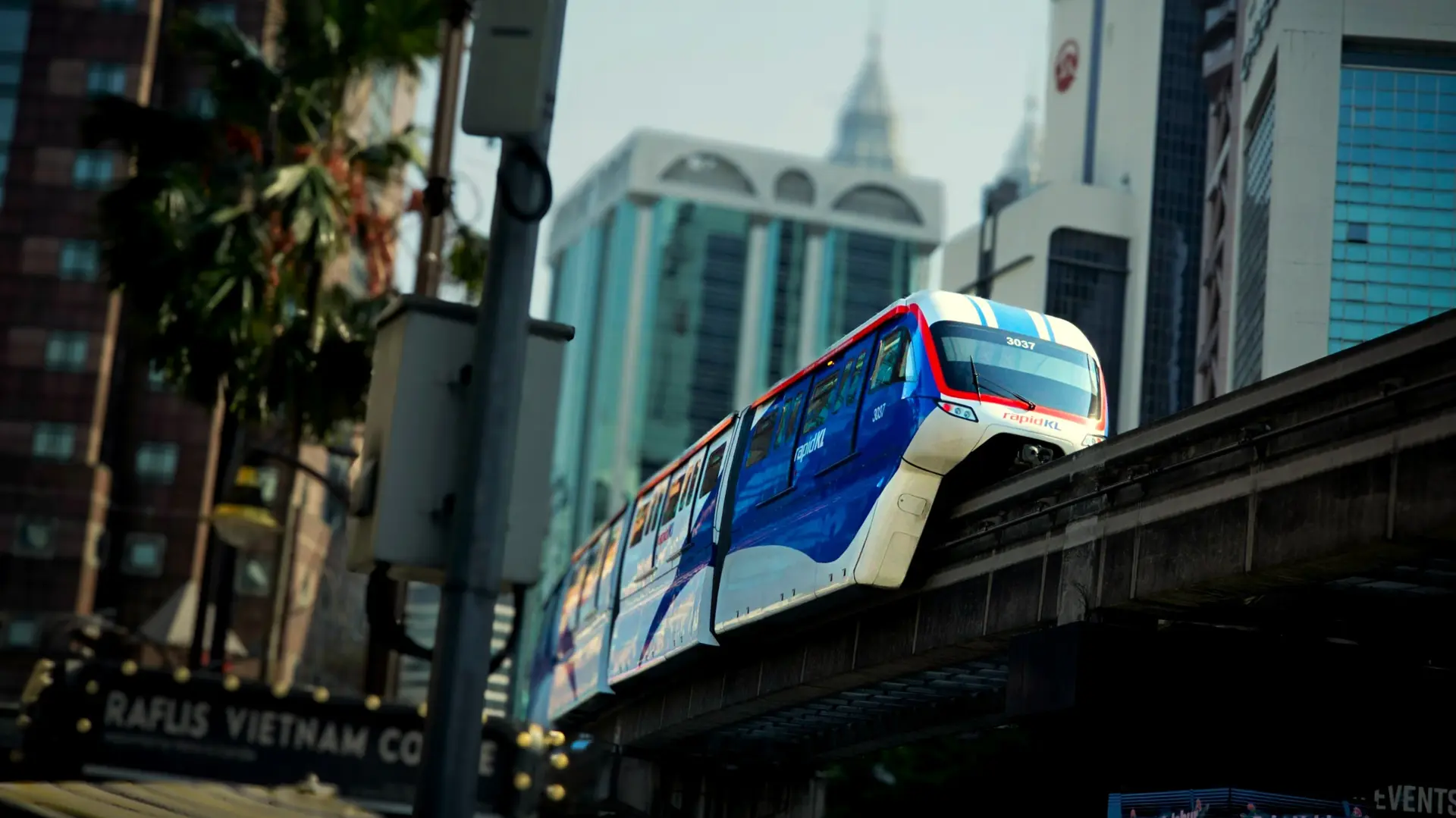
Transports
Efficient domestic flights, modern trains on the west coast, chauffeur-driven cars in rural areas, boats for the islands.
3 articles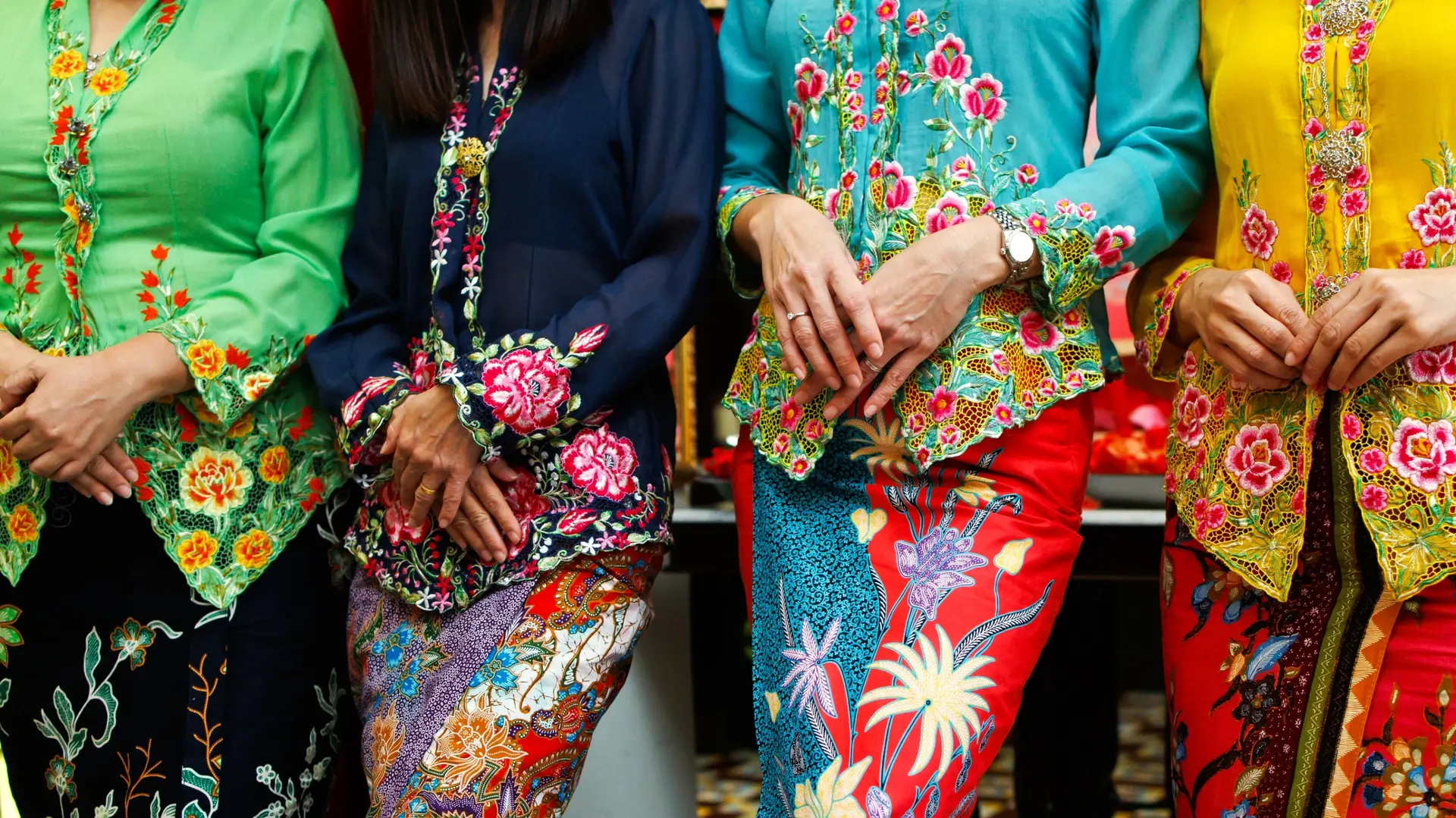
Culture
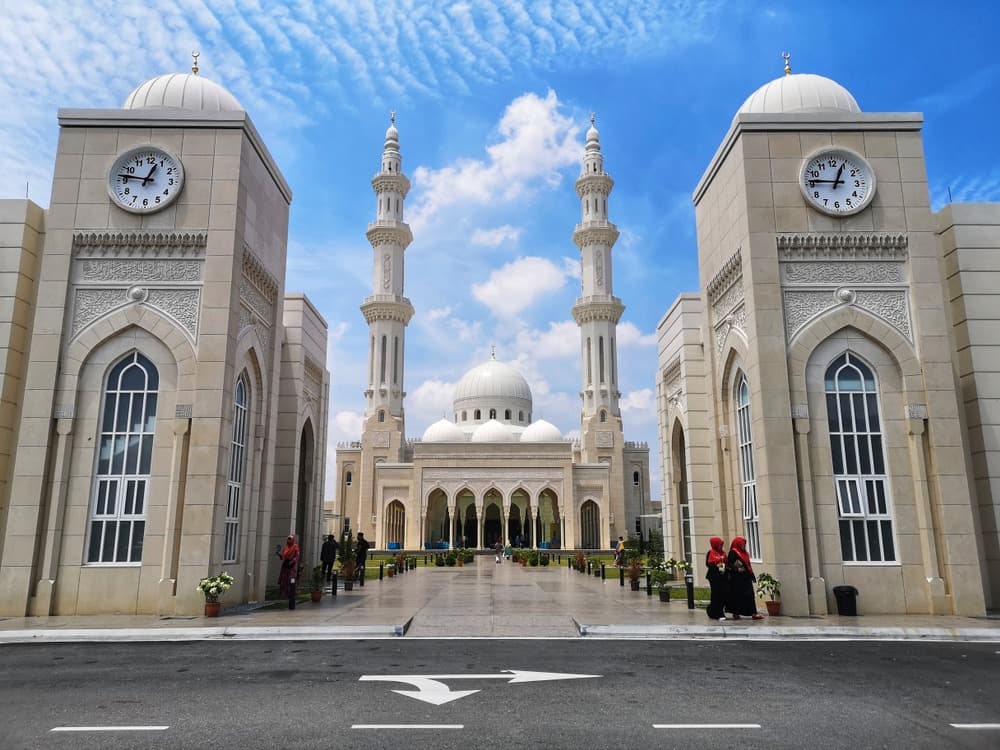
Muslim-majority country, covered attire in mosques, shoes removed, right hand at table, diverse ethnic mix of Malay-Chinese-Indian.
3 articles
Useful Tips
Safe country overall, bottled water, British type G outlets, 4G everywhere except jungle, health advice from our team.
9 articlesAll practical guides
Search and filter among 24 articles
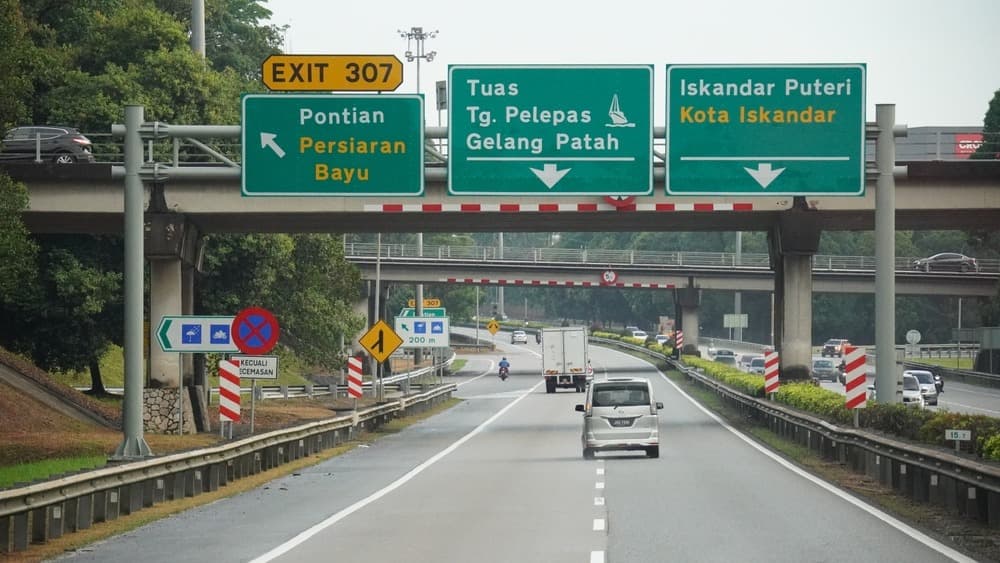
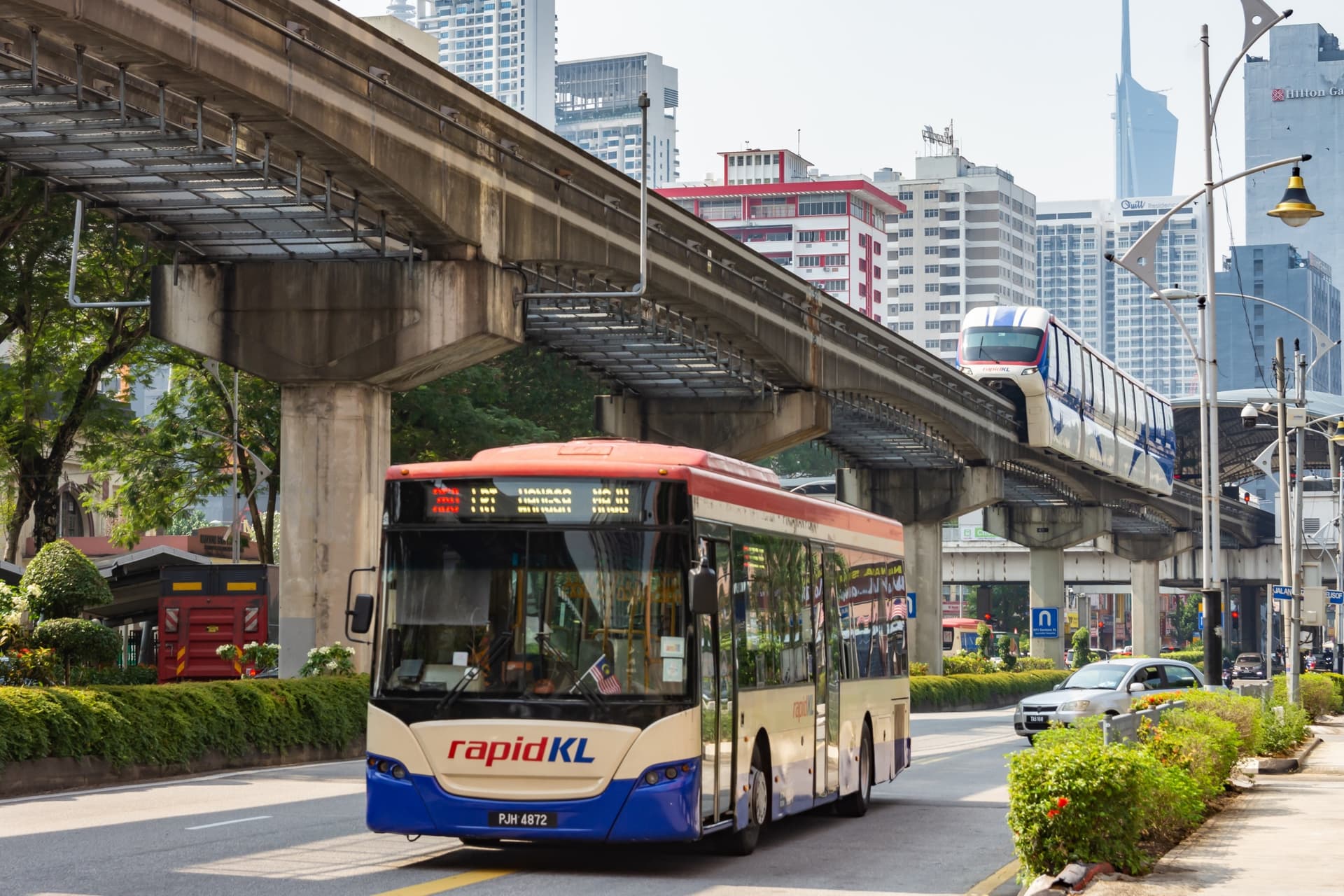
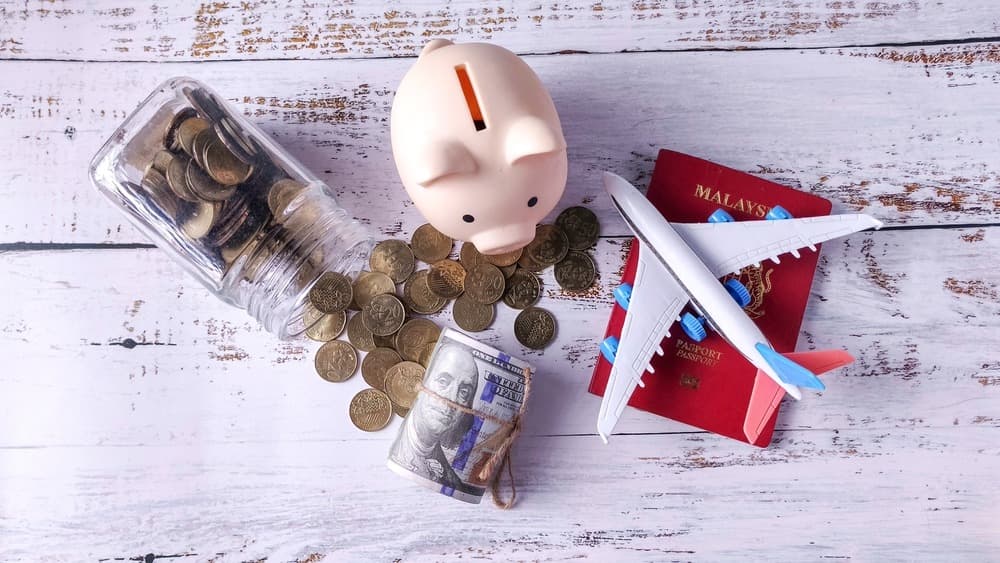
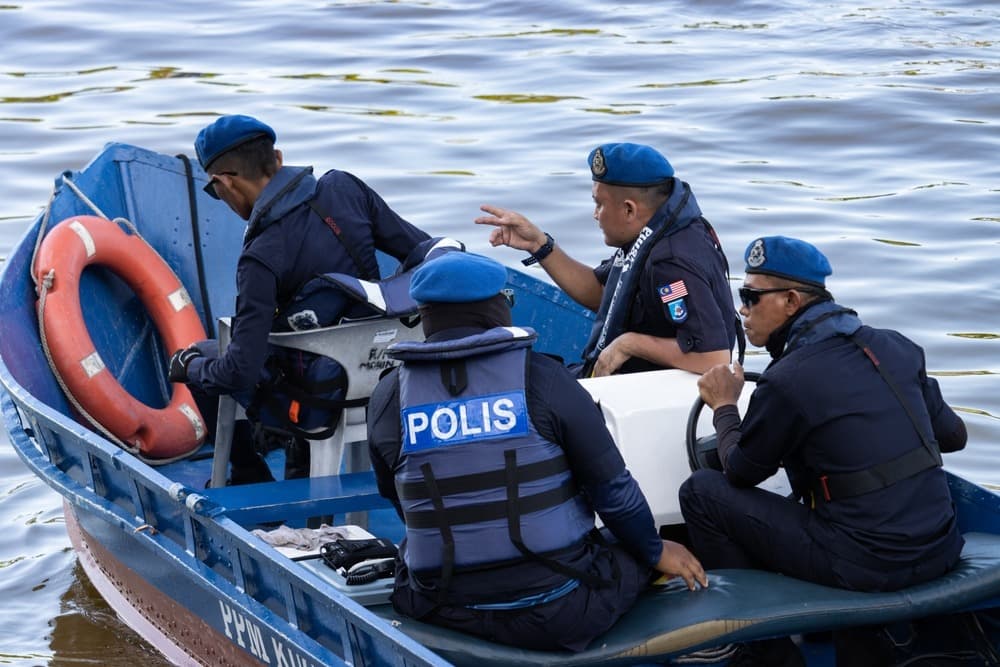
18 of 24 results
Frequently asked questions
The answers to the most frequently asked questions from our travellers.
For French, Belgian, Swiss and Canadian nationals, no visa is required for a tourist stay of less than 90 days. A free stamp is issued upon arrival at the airport, generally at KLIA Kuala Lumpur or Kota Kinabalu. Three conditions must be met: a valid passport for at least six months after the entry date, a minimum of two blank pages, and presentation of an outbound ticket (return flight or onward travel to another country). No prior embassy procedures are required. For longer stays or business travel, a visa must be requested before departure from the Malaysian embassy. Note that Sabah and Sarawak apply separate immigration control, even when arriving from the peninsula.
No vaccines are required to enter Malaysia, except if you arrive from a country at risk of yellow fever (in which case a certificate is required). Our team recommends checking that your routine vaccinations are up to date (DTP, MMR) and adding, depending on the length and regions visited: hepatitis A and B, typhoid, and rabies for long stays in the jungle. Malaria is present in the interior of Borneo (Sabah and Sarawak), particularly along rivers and in primary forest areas. Preventive treatment is advised for these zones and should be discussed with a travel medicine doctor. Dengue circulates year-round, in cities and rural areas alike: insect repellent and protective clothing remain the best protection.
For a mid-to-upscale organized trip, budget between 80 and 120 euros per day and per person, excluding international flights. This budget covers accommodation in 3-4 star hotels or eco-lodges, meals, internal transfers and guided activities. Some concrete benchmarks: a meal in a hawker center costs 3 to 5 euros, lunch in an air-conditioned restaurant 10 to 15 euros, a night in a charming hotel 60 to 120 euros, a domestic flight Kuala Lumpur-Kota Kinabalu between 50 and 100 euros depending on the season. Excursions to Borneo (Kinabatangan, Sepilok) or diving in Sipadan increase the budget. Our team adjusts services based on your range.
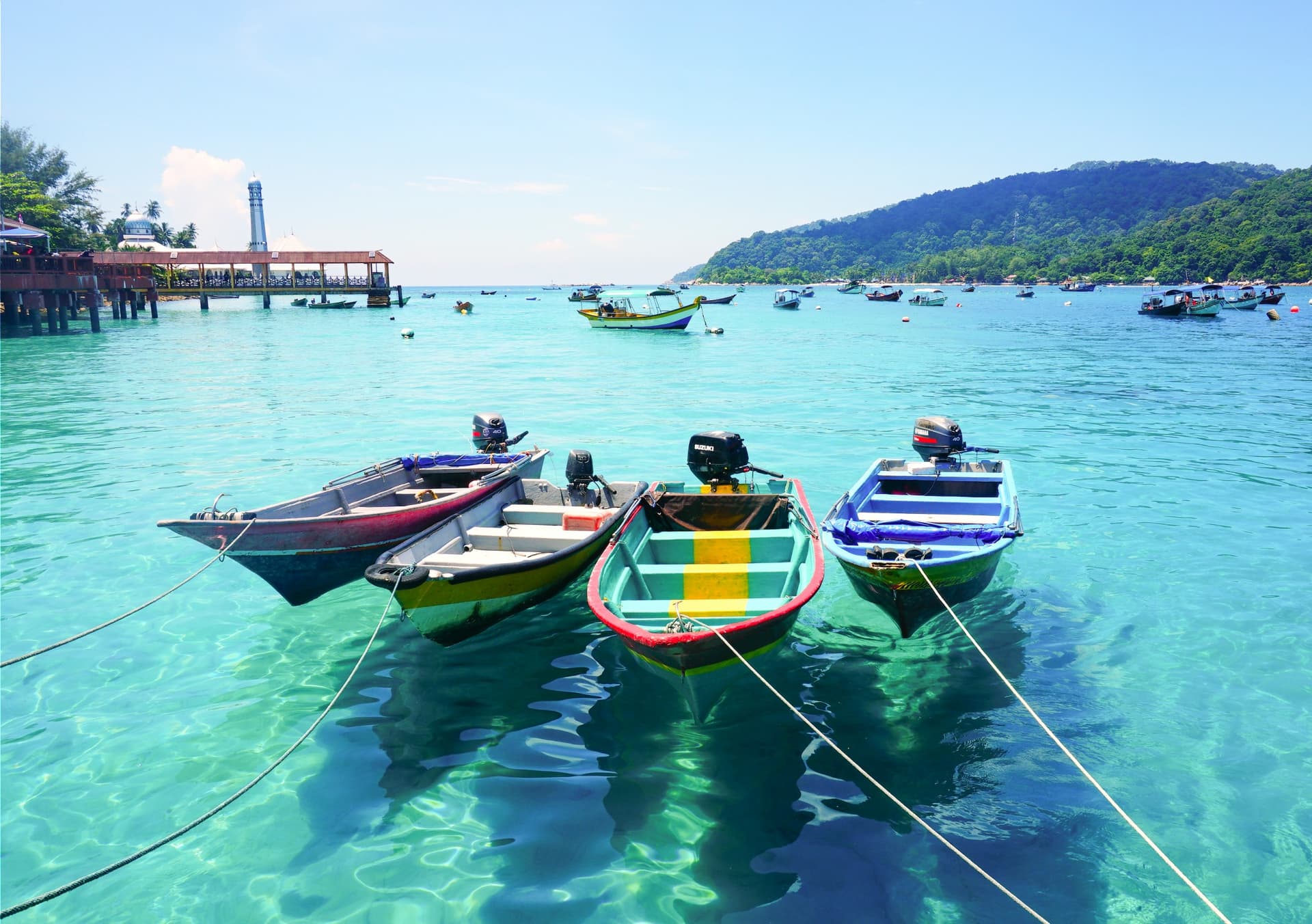
Malaysia can be visited year-round, but choosing regions depends on the season. The west coast of the peninsula (Kuala Lumpur, Penang, Langkawi) remains accessible throughout the year, with heavier rainfall from August to October. The east coast (Perhentian, Tioman, Redang) closes its islands from November to February due to the northeast monsoon: hotels are closed and boats don't operate. Borneo (Sabah, Sarawak) is best visited from March to October, with less frequent showers. The Cameron Highlands remain pleasant year-round thanks to the altitude. The best overall window for combining the peninsula and Borneo: March-April and June-September.
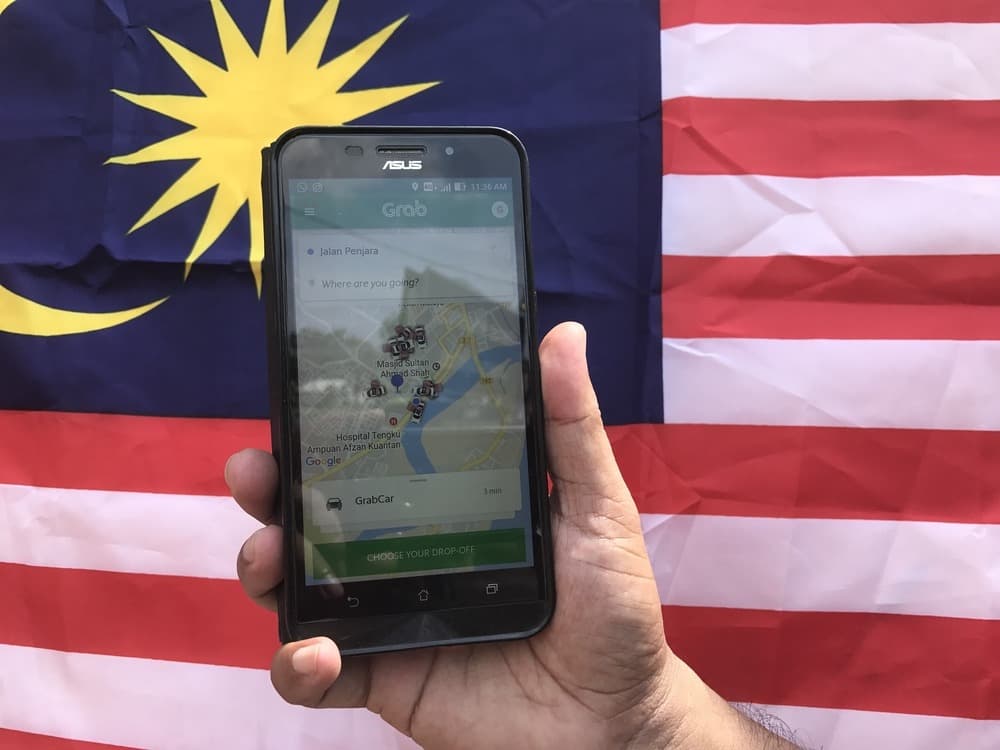
Malaysia has modern infrastructure. Domestic flights (AirAsia, Malaysia Airlines, Firefly) are essential to reach Borneo from the peninsula; allow 2 hours 40 minutes from Kuala Lumpur to Kota Kinabalu. On the west coast, the ETS train connects Kuala Lumpur to Penang in four hours, comfortable and reliable. For rural areas (Cameron Highlands, Taman Negara, Kinabatangan), we prefer a car with an English-speaking driver: the roads are good but distances are deceptive. Boat transfers serve the islands from Kuala Besut (Perhentian) or Mersing (Tioman). Grab operates in all cities and replaces taxis. Car rentals are available but driving on the left can be disorienting.
Malaysia is among the safest countries in Southeast Asia for travelers. Attacks on tourists are rare, and petty crime is mainly limited to a few bag snatches in the tourist areas of Kuala Lumpur and Penang. Standard precautions are sufficient: keep your bag closed, avoid ostentatious jewelry, and stay alert on night transportation. Our team advises against the east coast areas of Sabah (Lahad Datu region, Semporna outside organized circuits) due to past incidents involving armed groups from neighboring Philippines. Diving sites such as Sipadan are monitored and accessible safely. The French Ministry of Foreign Affairs classifies almost the entire country as requiring normal vigilance.
Ready to travel to Malaysia?
Discover our tailor-made itineraries, designed by our local team. Each route adapts to your pace, your preferences and your travel season.
See our toursWe use cookies to improve your experience and measure our site's audience. You can choose what you accept. Learn more.