Kuala Lumpur
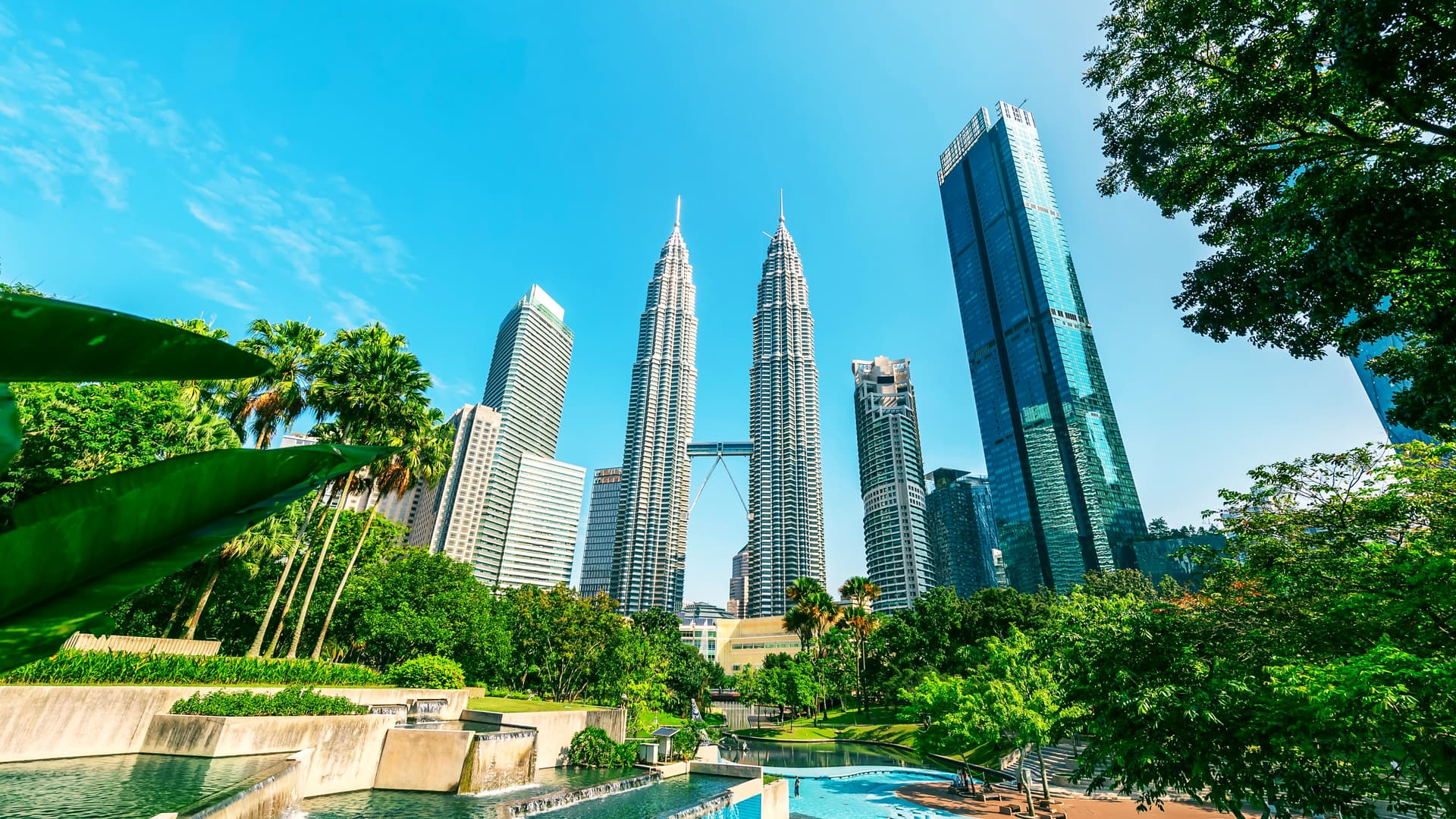
Equatorial capital where Malay stilt villages, Tamil temples and 452-metre towers fit within a few square kilometres, orbiting around relentless street food.
Kuala Lumpur is compact compared to Bangkok or Jakarta: you cross the centre by monorail or Grab for a few ringgits, and most neighbourhoods of interest connect on foot once you accept the heat and humidity. The city grew at the confluence of two rivers, the Klang and the Gombak, where Chinese tin prospectors set up camp in the 1850s. From this mining past, the tight grid of Chinatown around Petaling Street remains, along with the Sze Ya and Sri Mahamariamman temples a few streets apart, and a working-class memory still visible in the kopitiams (traditional coffee shops) of the district.
Three communities coexist here without blending: Muslim Malays, Buddhist or Christian Chinese, Tamil Hindus predominantly. This reads in the urban map. Kampung Baru, at the foot of the Petronas Towers, is a Malay stilt village preserved since 1900, where you eat nasi lemak wrapped in banana leaf for 5 ringgits. Brickfields, around KL Sentral station, concentrates Tamil temples, sari shops and banana-leaf thali restaurants. Chinatown comes alive at night around char kway teow and Hokkien mee stalls. This community geography isn't folklore: it's the real organisation of the city, and it shapes your experience depending on which neighbourhood you stay in.
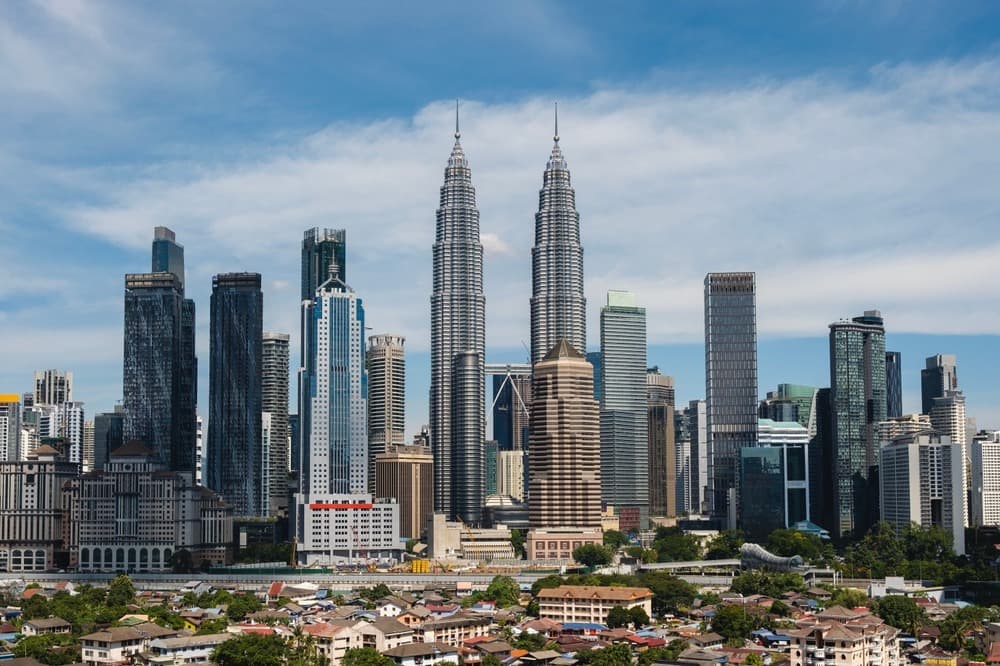
The modern centre stretches between KLCC, where the Petronas Towers peak at 452 metres, and Bukit Bintang, the shopping and nightlife district connected to the former by a climate-controlled one-kilometre skybridge. To the south, the colonial quarter around Merdeka Square bears the mark of British rule: the Sultan Abdul Samad building from 1897, the old Selangor Club, a railway station in Moorish style. To the west, the Masjid Negara national mosque and its gardens open onto the bird park and Perdana Botanical Gardens, the most accessible green space from the centre.
Food-wise, KL eats non-stop from 6am to 3am. Jalan Alor, in the heart of Bukit Bintang, unfolds its seafood and satay terraces from 6pm. For breakfast, hawker centres like Imbi Market serve curry noodle laksa and steamed dim sum from dawn. The Batu Caves, north of the city (40 minutes by train from KL Sentral), house a Hindu temple set within a limestone cavity, guarded by a 42-metre golden statue of Murugan. Thaipusam, in late January or early February, draws over a million pilgrims there.
The climate is equatorial, without a marked dry season. Temperature oscillates year-round between 24°C at night and 32 to 33°C by day, with 80% humidity. Showers fall almost daily in late afternoon, brief and heavy, clearing within an hour. October and November concentrate the heaviest rains linked to the monsoon transition. Ramadan, whose dates shift each year, transforms the city: evening bazaars like the one in Kampung Baru come alive from 5pm for the breaking of the fast.
Our team is based ten minutes from KLCC. We manage all travel logistics across the peninsula and Borneo from here, and we welcome travellers from KLIA airport to set the pace for the first days before departure north or east.
Things to explore
Kampung Baru at dusk. A wooden Malay stilt village hemmed in by skyscrapers, where you dine on nasi lemak or grilled fish in the street while the Petronas Towers light up in the background.
Hawker tour through Chinatown and Imbi. A walking tour of historic Chinese stalls: char kway teow over the wok, Hokkien mee with thick noodles, pork rib bak kut teh soup. Allow 3 hours and six stops.
Batu Caves and Murugan Temple. A staircase of 272 painted steps leading to a limestone cavity housing a Hindu sanctuary, 40 minutes by train from KL Sentral. Best visited early morning before the heat.
Colonial quarter and Merdeka 118. A stroll from Merdeka Square through the lanes of Pasar Seni, with the world's second tallest tower (679 metres) as backdrop, completed in 2024 on the site of Malaysia's 1957 independence declaration.
Banana-leaf thali in Brickfields. Tamil Indian lunch served on banana leaf in Little India, after visiting the Sri Kandaswamy temple and the jasmine flower market.
When to visit
Kuala Lumpur can be visited year-round without strong constraints, as the equatorial climate lacks a true dry season. Temperatures remain in a narrow range, 24 to 33°C, with consistently high humidity. The wettest months are October and November, a transition period between the two monsoons, with rainfall around 280mm per month and occasionally longer evening thunderstorms. Conversely, June to August generally offer the most stable afternoons, with brief showers limited to an hour.
Two periods merit planning for cultural reasons. Chinese New Year, in late January or February, animates Chinatown for two weeks but closes some family-run restaurants. Ramadan, whose dates advance each year, alters opening hours of Malay establishments during the day and sparks evening bazaars—an interesting experience but worth knowing in advance.
Practical advice
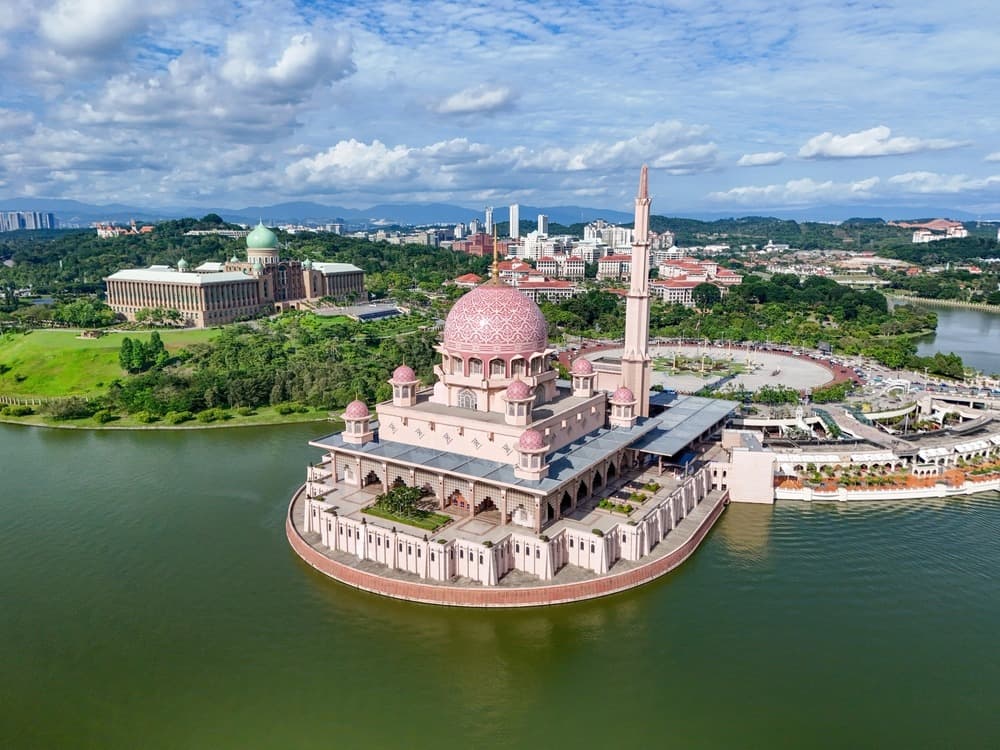
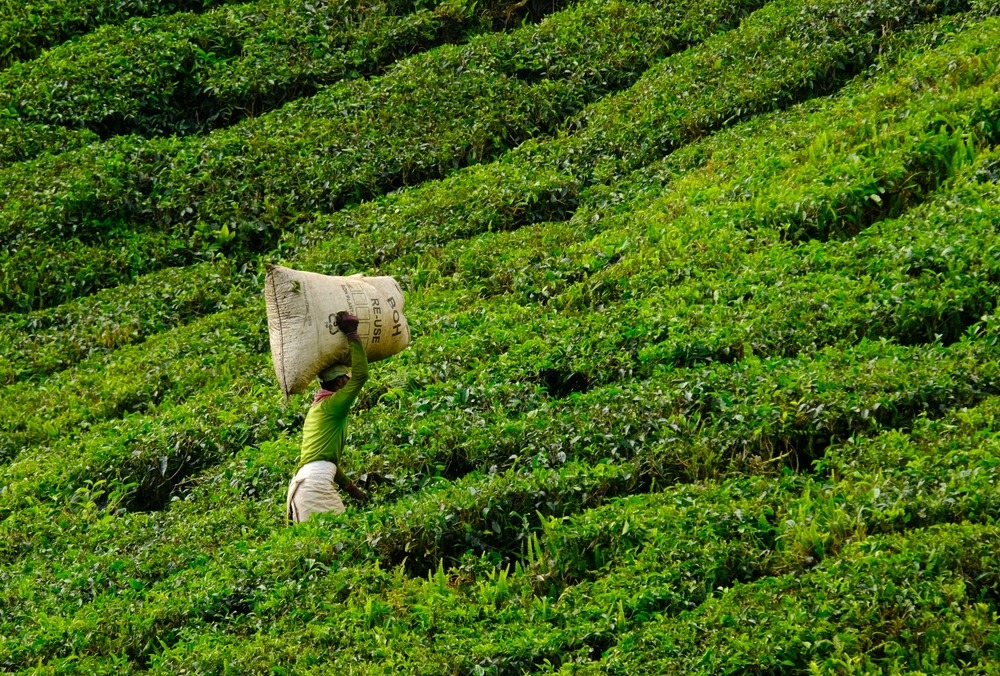
Two to three nights are enough to grasp KL without exhaustion: one day for the modern centre and KLCC, one day for Chinatown, the colonial quarter and Brickfields, and a half-day for the Batu Caves or an excursion to Putrajaya, the administrative capital 30km south. KLIA airport connects to the centre in 30 minutes by KLIA Ekspres. The city serves as a natural hub for onward travel: one-hour flight to Penang or Borneo, two-hour drive to Melaka or 3.5 hours north to the Cameron Highlands.
Hotel comfort is excellent across all price points, with a dense offering of boutique hotels in Bukit Bintang or design hotels around KLCC. KL suits urban travellers, street-food enthusiasts and those wanting to understand Malaysian pluralism before heading into nature. Families with children find aquariums, parks and easy-to-use trains. We advise against spending more than three nights here unless you have a specific interest in architecture or gastronomy.