Borneo - Sabah
In northern Borneo, Sabah brings together iconic wildlife, the primary forest of Danum Valley, the ascent of Mount Kinabalu at 4,095 metres, and the reefs of Sipadan.
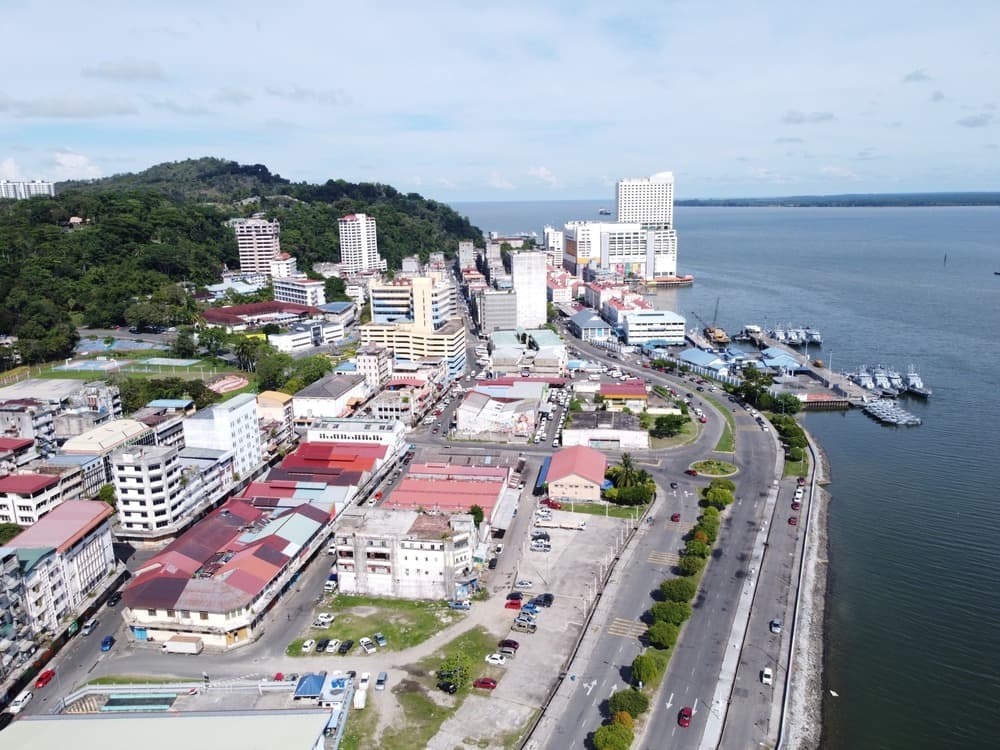
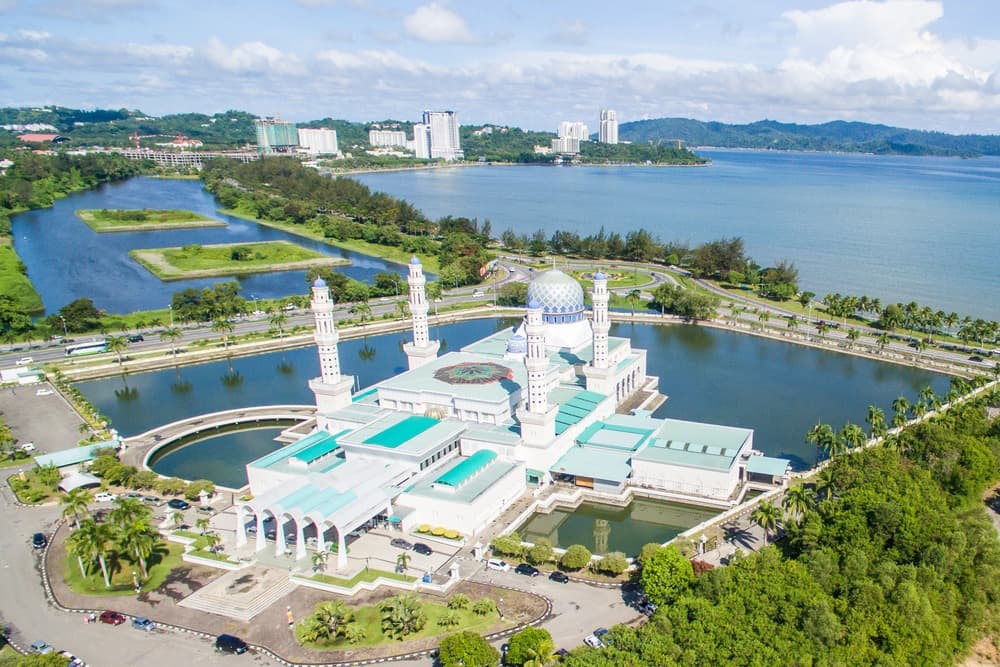
Sabah occupies the northern tip of Borneo, the world's third-largest island, shared between Malaysia, Indonesia, and the Sultanate of Brunei. The state covers 73,000 km² of tropical forest, mountain ranges, and coral coastlines, with Kota Kinabalu as its capital and gateway. The direct flight from Kuala Lumpur takes two hours forty minutes, making the region accessible despite its remote location. Our team organizes most itineraries around three main hubs: Sepilok in the east, Kinabatangan in the heart of the jungle, and the Semporna archipelago in the southeast.
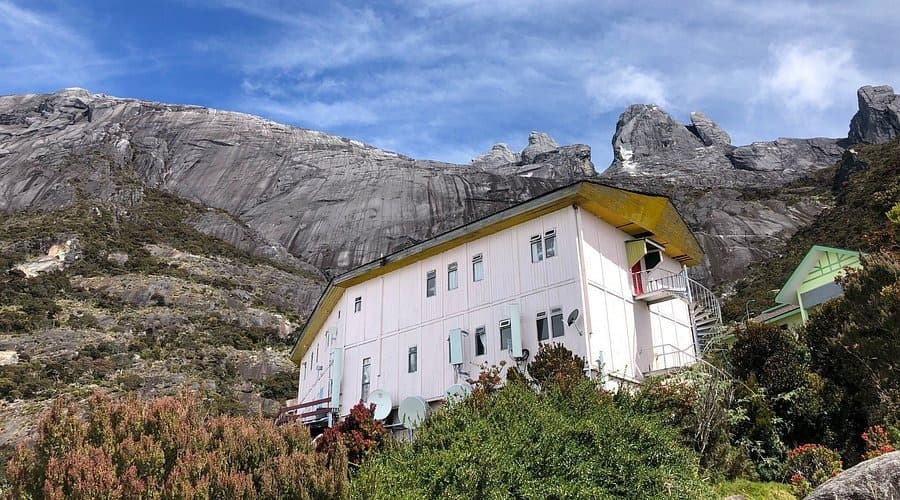
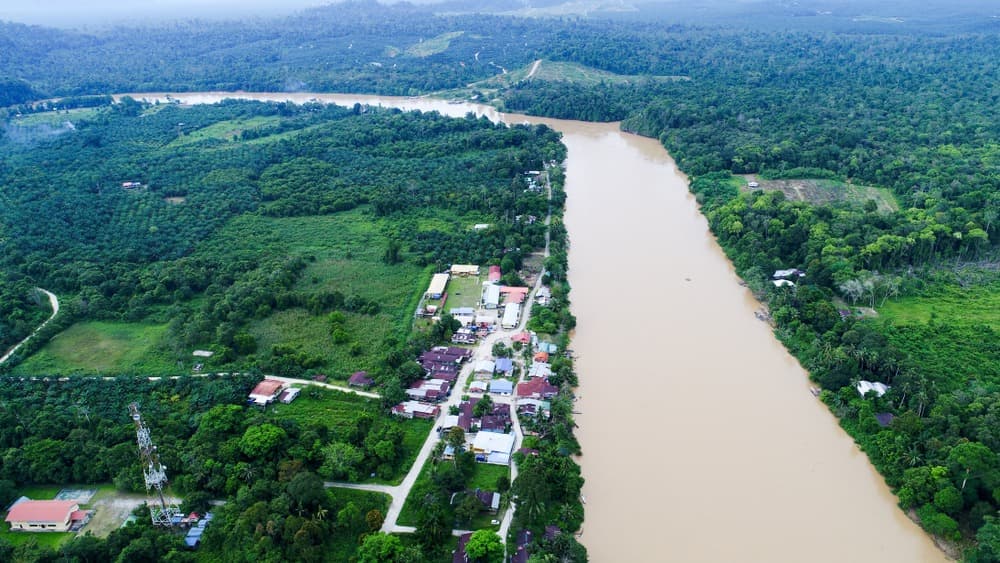
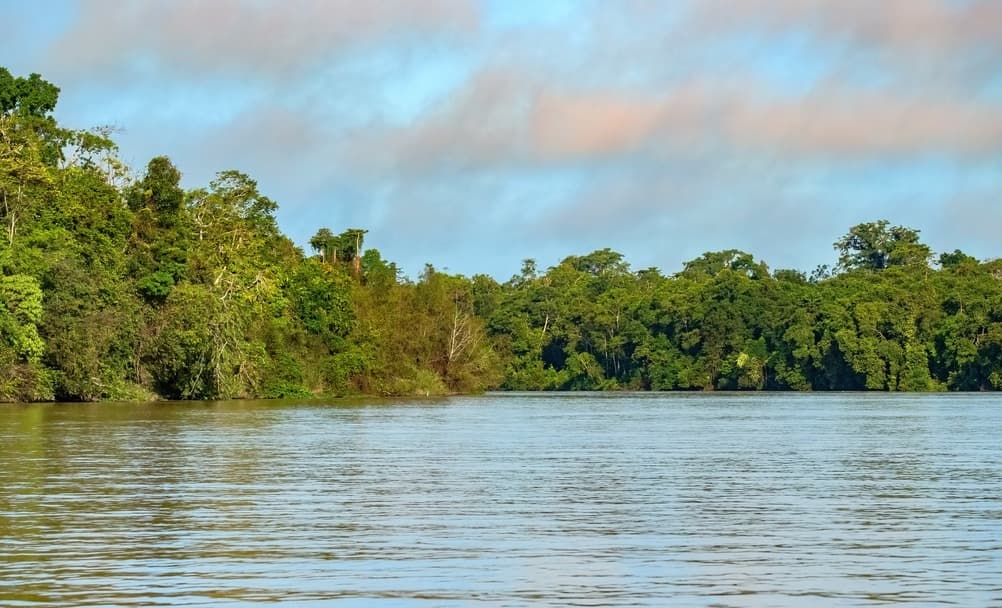
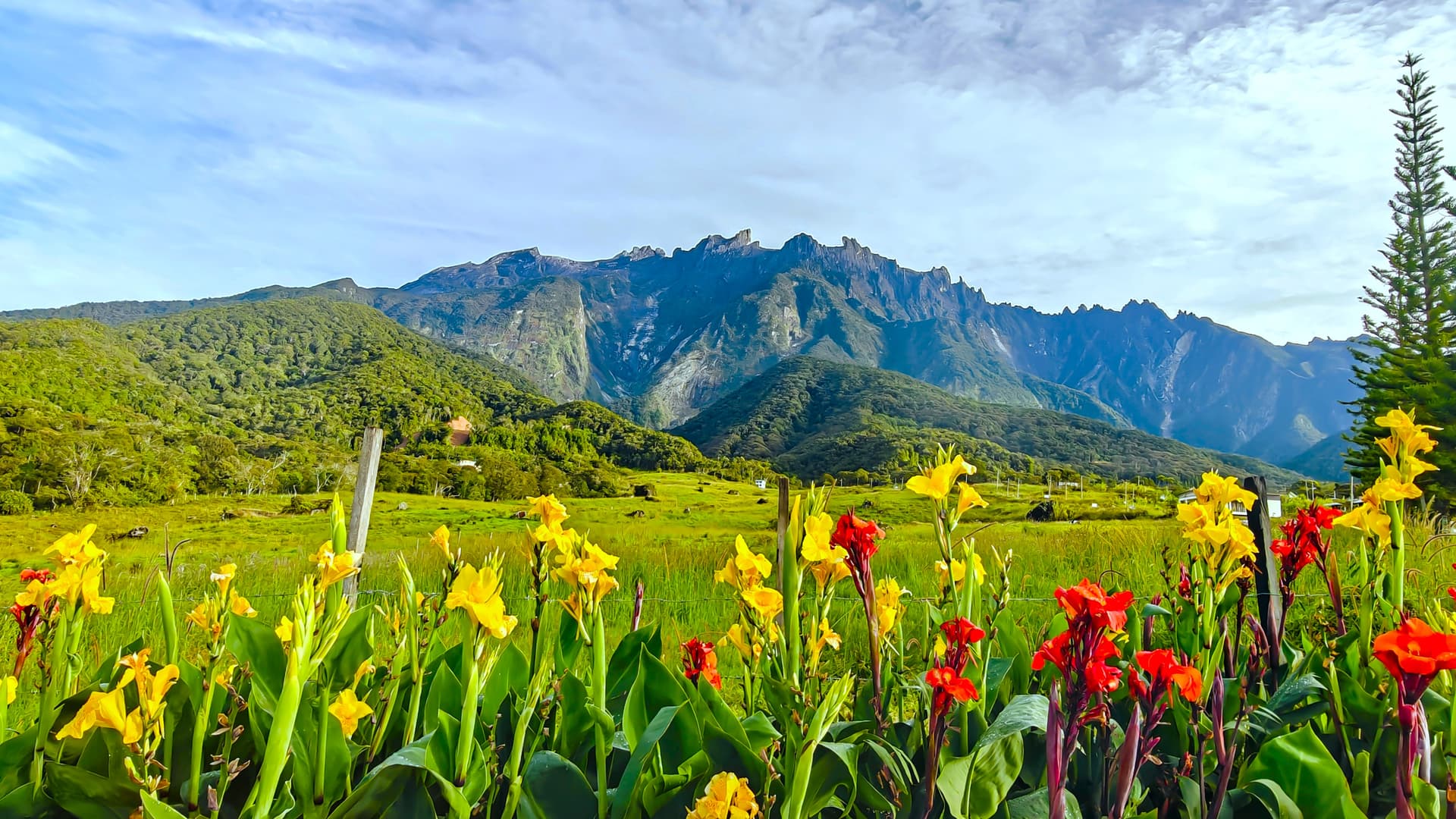
Sabah's geography reads in three bands. To the west, a narrow coastal plain rises toward the Crocker range, culminating at Mount Kinabalu at 4,095 metres, a granite summit inhabited by endemic species such as the Nepenthes rajah pitcher plant. In the centre, hills covered in primary and secondary forest, crossed by muddy rivers including the Kinabatangan, which stretches 560 kilometres. To the east, a jagged coastline opens onto the Sulu Sea and its reefs, notably those of Sipadan, Mabul, and Kapalai, ranked among Southeast Asia's richest diving sites.
Sabah is home to around thirty ethnic groups. The Kadazan-Dusun form the largest community, traditionally rice farmers of the Crocker foothills, who celebrate the Kaamatan harvest festival each May. The Bajau, nicknamed the sea nomads, live partly on stilts or in their lepa-lepa boats in the Semporna region. The Murut, former headhunters of the south, and the Sino-Malaysian communities of Sandakan complete a human landscape utterly different from peninsular Malaysia. The cuisine reflects this cultural blend: hinava (raw fish marinated in calamansi), tuhau (grated wild ginger), and tuaran noodles tossed in a wok.
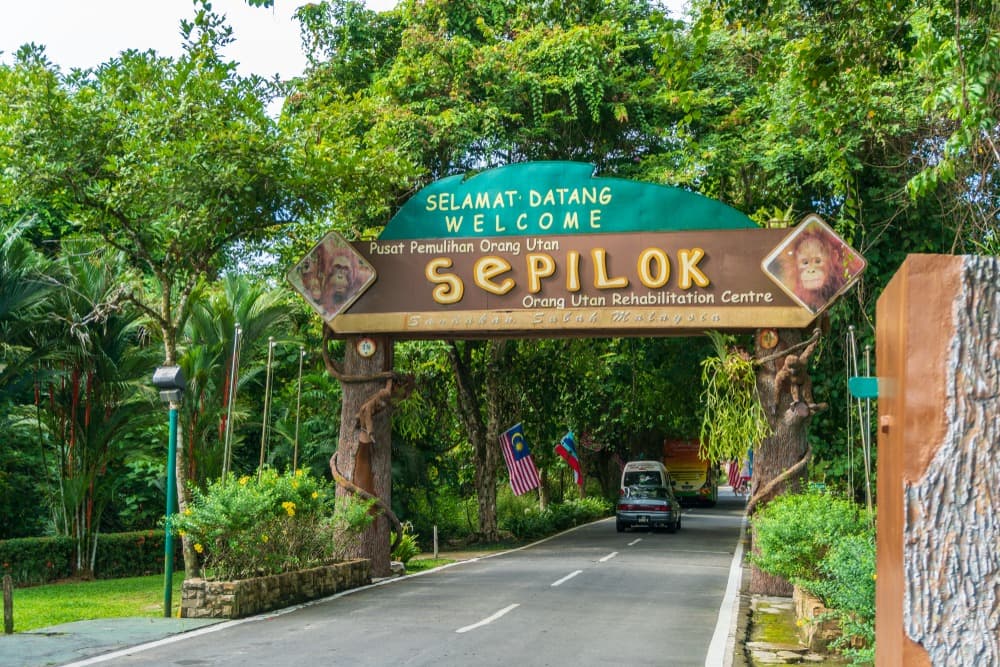
Sabah's principal attraction remains its wildlife. Sepilok is home to two rehabilitation centres, one for orangutans and another for sun bears, both species threatened by deforestation linked to palm oil plantations. The Kinabatangan, whose banks have been preserved as a wildlife corridor, concentrates proboscis monkeys, pygmy elephants of Borneo, rhinoceros hornbills, and estuarine crocodiles. Boat trips at dawn and dusk offer the best viewing opportunities. Further south, Danum Valley reserve protects 438 km² of virgin forest never exploited, accessible from Lahad Datu after three hours on rough roads.
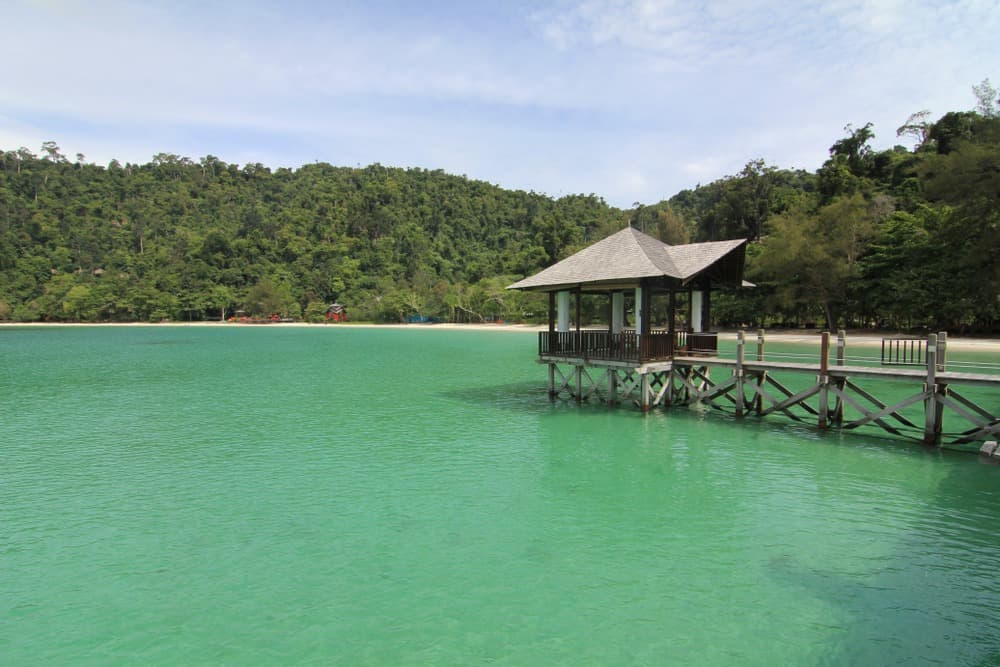
At sea, the Semporna archipelago concentrates a dozen islands within an hour's boat ride. Sipadan, Malaysia's only oceanic island, requires a daily permit limited to 178 divers. Mabul and Kapalai suit less experienced divers and offer encounters with green sea turtles, barracuda schools, and, between March and May, passing whale sharks. For those who don't dive, snorkelling in the Tun Sakaran marine park remains accessible and rewarding.
Sabah's economy still rests largely on palm oil, with plantations covering nearly 1.5 million hectares, and tourism, which replaced intensive logging of the 1980s-1990s. This transition explains local commitment to ecotourism: most Kinabatangan lodges, where we work, channel a share of their revenues into protecting forest corridors and employ guides from riverside villages such as Sukau or Bilit.
Highlights
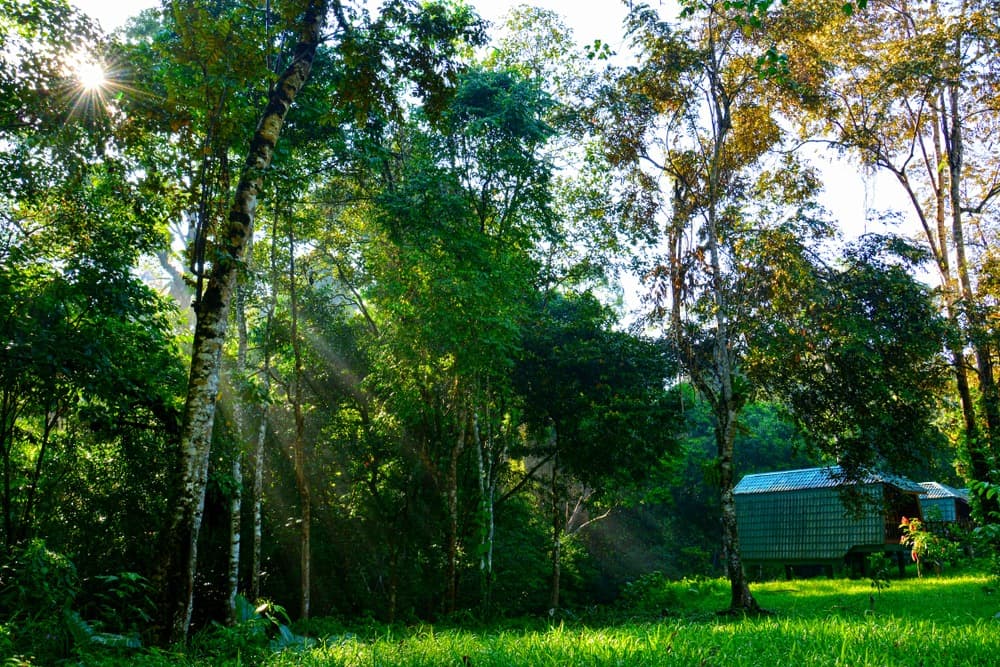
River cruise on the Kinabatangan. Minimum two days in Sukau or Bilit, with boat outings at dawn to observe long-nosed male proboscis monkeys and pygmy elephants coming to drink. The gallery forest echoes with hornbill calls at day's end.
Climbing Mount Kinabalu. Two days of climbing, mandatory permit and daily climber limit of 135. Night at Laban Rata lodge at 3,270 metres, departure for the summit at 2am to reach Low's Peak at sunrise.
Sepilok Centre and Kabili forest. Rehabilitation of orangutans born in captivity or orphaned. The canopy walkway of the neighbouring Rainforest Discovery Centre allows independent viewing of flying squirrels and canopy birds.
Diving at Sipadan, Mabul, Kapalai. Vertical drop-offs to 600 metres, spiralling schools of jacks at Barracuda Point, manta rays and hammerhead sharks depending on season. Based on Mabul or Semporna, with 178 Sipadan permits available daily.
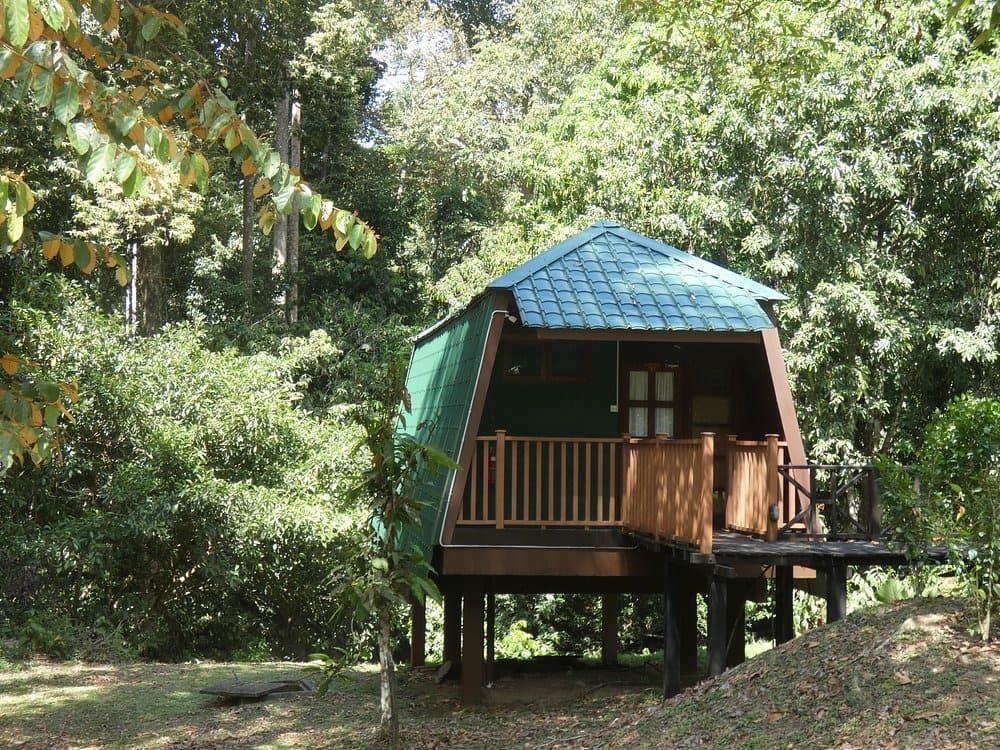
Primary forest of Danum Valley. One of Southeast Asia's last virgin forests, accessible only by approved lodge. Night walks to spot slow lorises and civets, fresh elephant tracks on the trails.
When to visit
The best time to visit Sabah extends from March to October, with an optimal window from April to September. Temperatures remain stable year-round between 26 and 32°C in the lowlands, dropping to 6-10°C at night at Laban Rata lodge on Kinabalu. The rainy season runs from November to February, with daily afternoon showers and rainfall exceeding 400 mm in December on the east coast. Tracks to Danum Valley become difficult, and some boat outings on the Kinabatangan are cancelled during floods.
For diving at Sipadan, the sea is clearest from April to June, with visibility often exceeding 30 metres. Whale sharks pass through between March and May. The Kaamatan festival falls on May 30–31 in Kadazan-Dusun villages of the west, a chance to witness sumazau dances and tapai rice wine-drinking pipe contests.
Practical advice
We recommend a minimum of seven days to combine wildlife and sea, ten days to add climbing Mount Kinabalu or a stay in Danum Valley. Kota Kinabalu airport handles international and domestic flights, while Sandakan airport serves Sepilok and Kinabatangan directly, avoiding eight hours of driving. Internal travel uses short flights (45 minutes Kota Kinabalu–Sandakan), 4x4 vehicles on interior tracks, and boats for the islands.
Sabah pairs well with neighbouring Sarawak for those wishing to deepen their Borneo experience, or as a second week after Kuala Lumpur and Penang for a first Malaysia trip. Comfort ranges from rustic lodge on the Kinabatangan, where electricity cuts off at 10pm, to beachfront resort on Mabul. The region suits families with children from age 8 onwards, wildlife enthusiasts, and divers. Hikers will find their way on Kinabalu and Crocker Range trails. Our team advises against Sabah for travellers seeking archaeological or heritage sites: the wealth here is living, forested, and marine.