Snorkeling and Diving in Malaysia: The Ideal Season
Malaysia is renowned for its varied underwater landscapes. From coral reefs to historic wrecks, exploration possibilities are abundant. Sea conditions and seasons vary depending on the country's regions. Understanding the most favorable periods allows you to enjoy better underwater visibility, calmer seas, and a more pleasant observation of marine life.
Malaysia is renowned for its varied underwater landscapes. From coral reefs to historic wrecks, exploration possibilities are abundant. Sea conditions and seasons vary depending on the country's regions. Understanding the most favorable periods allows you to enjoy better underwater visibility, calmer seas, and a more pleasant observation of marine life. This guide helps you choose the right time to dive or snorkel in Malaysia according to the country's different zones.
1. Best Time for Diving in Malaysia
The country offers different diving conditions depending on the coasts and islands. Some areas are favorable for much of the year, while others are influenced by monsoons.
On the East Coast of Peninsular Malaysia
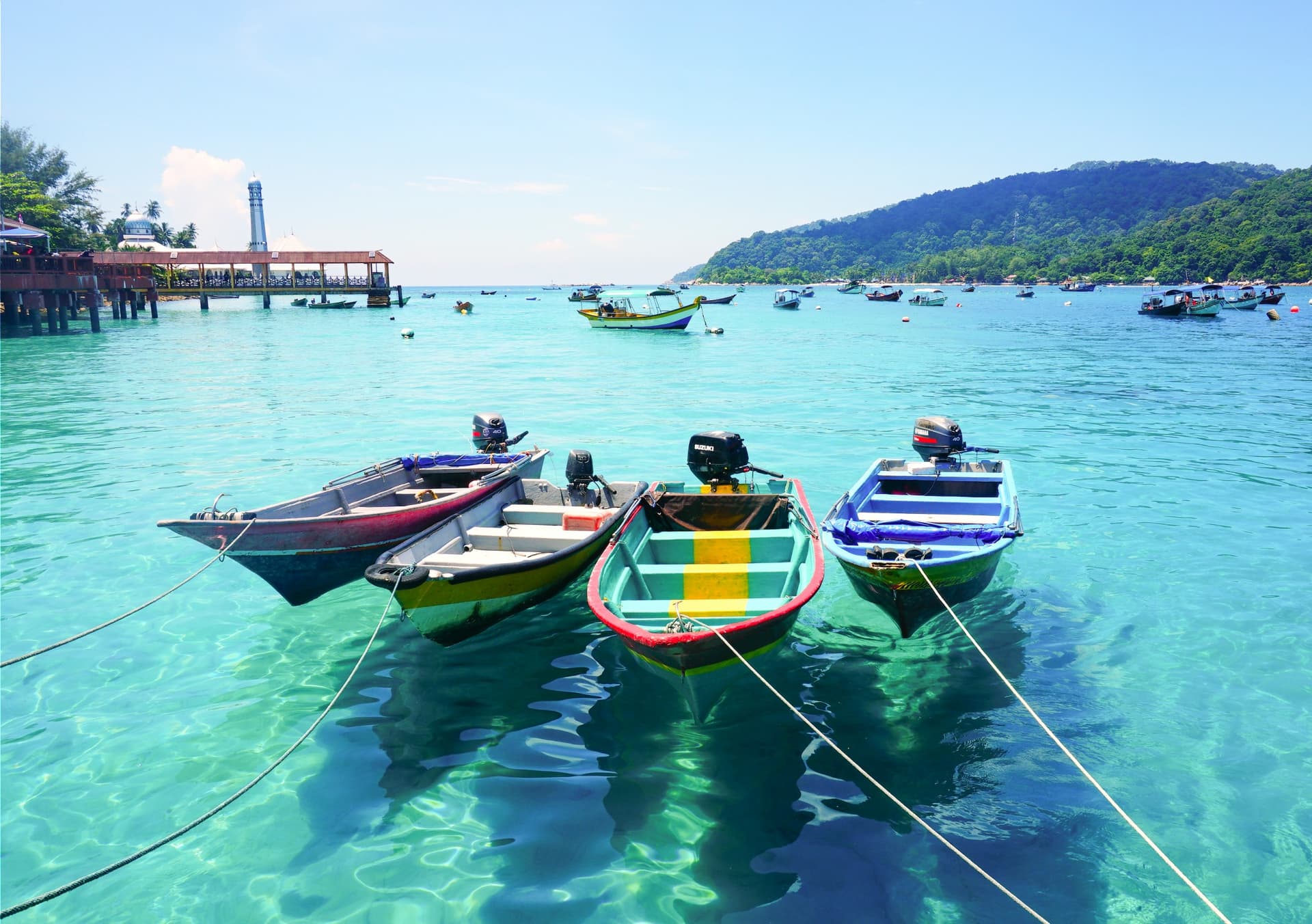
The east coast of western Malaysia hosts several islands well known to divers, particularly Perhentian, Redang, and Tioman. The ideal season for diving there runs from March to October.
During this period, the sea is generally calm and visibility can reach up to 20 meters. The warm waters make the experience accessible to both beginner and experienced divers. Divers can observe reef sharks, sea turtles, and numerous coral gardens.
Between November and February, monsoons make most dive sites difficult to access due to rough seas.
On the West Coast of Peninsular Malaysia
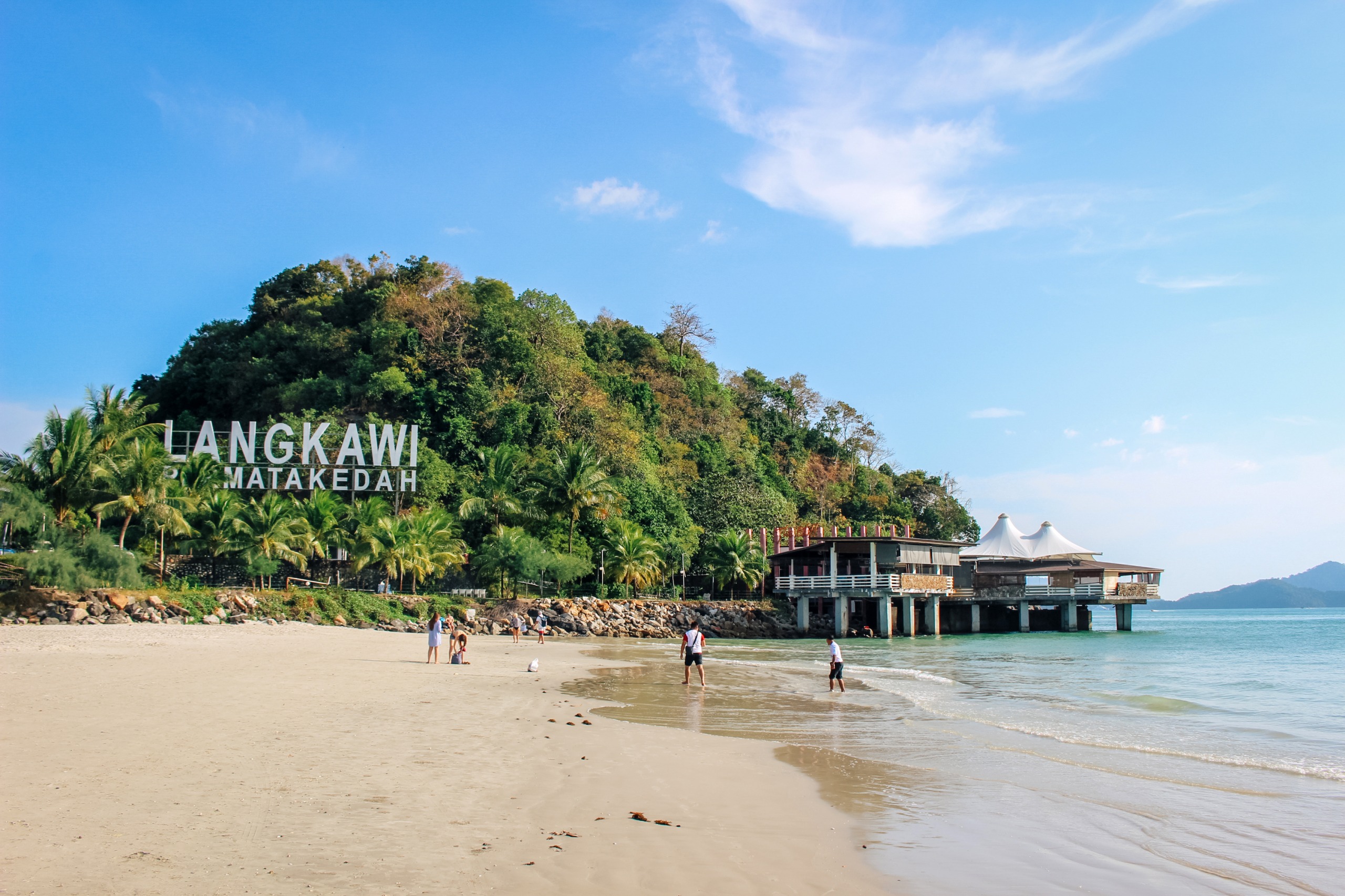
The west coast includes notably Langkawi and Pangkor Island. Diving is possible year-round, but the best conditions are generally observed between November and March.
Marine diversity is less abundant than on the east coast, but underwater rock formations are interesting to explore. It is also possible to occasionally spot bamboo sharks.
In the State of Johor
In the southeast of the peninsula, Johor offers several dive sites around the islands of Aur, Dayang, Tinggi, Rawa, and Sibu. The best period extends from April to September. Marine conditions are then calmer and visibility more favorable.
Johor is appreciated for its coral reefs and small-sized marine life, often sought after by macro-photography enthusiasts.
Note that the region is also affected by the northeast monsoon between November and February.
In Melaka
Melaka is not considered a major diving destination. However, it is possible to practice shallow dives around wrecks and reefs. The most suitable period runs between March and October.
Visibility generally remains limited due to sediments and river discharges. These sites are therefore more frequently visited by local divers and suited for training dives.
In Sabah
Thanks to its rich marine biodiversity, Sabah is one of Malaysia's most renowned regions for diving, notably around Sipadan, Mabul, Kapalai, and Layang-Layang. The ideal season runs from April to December. Visibility is particularly good between July and August.
Layang-Layang is also famous for observing schools of hammerhead sharks, particularly in March and April.
In Labuan
Located off the coast of Sabah, Labuan is known for wreck diving. Four major wrecks attract divers: American, Australian, Cement, and Blue Water.
The best period runs from March to October. Conditions are particularly favorable between April and August, when the sea is calmer and visibility better.
The northeast monsoon can also disrupt conditions between November and February.
The Miri Region
The Miri region in Sarawak, also little-known, features remarkable coral reefs and varied marine fauna. The diving season generally runs between March and September. Visibility is often optimal in May and June.
Good to know: Just after the monsoon season, notably in February or October, diving can offer a different atmosphere in Peninsular Malaysia. Indeed, sites are generally quieter and some dive centers offer more attractive rates.
2. Best Time for Snorkeling in Malaysia
Snorkeling is very popular in Malaysia thanks to its warm waters and numerous reefs accessible from beaches or by boat. The snorkeling season also depends on the region visited and the monsoon cycle.
On the East Coast
As with diving, the best period for snorkeling on the east coast of Peninsular Malaysia runs from March to October. This region hosts several islands known for their clear waters and reefs: Redang, Perhentian, Rawa, Tioman, Lang Tengah, Sibu, and Kapas.
On the West Coast
On the west coast, the recommended season falls between November and March. Langkawi and Pangkor Islands are the main destinations for snorkeling in this region.
The dry season generally runs between December and April, with calmer sea conditions and better visibility for observing fish and corals.
In the State of Sabah
Certain islands of Sabah also offer good snorkeling conditions at different times of the year.
For example:
- Sipadan is favorable between March and July and between October and December.
- Mabul is recommended between March and May and between October and November.
- Lankayan allows snorkeling from March to October and also between June and September for observing sea turtles.
- Mataking is accessible from February to November.
Snorkeling in the Morning
Snorkeling outings are generally better in the morning. Waters are often calmer and winds weaker. Many boats also depart for the islands at this time of day, making access to sites easier.
Tourist Seasons
Snorkeling experiences different periods of busy crowds. High season on the east coast and in Sabah falls between April and August. This period also corresponds to school holidays and summer, with calm seas and good visibility.
Low season is generally found just after the monsoons, for example in March on the east coast or in November on the west coast. Fewer visitors are present and prices can be more advantageous.
Periods to Avoid
Certain periods are less favorable for snorkeling. On the east coast, it is advisable to avoid the months of November to February due to the monsoon.
On the west coast, September and October correspond to the most intense period of the monsoon. Water activities may be limited and some establishments temporarily close.