Getting Around Malaysia: Flights, Buses, Trains, Ferries, and More
Malaysia boasts a well-developed transport network that caters to all budgets. Between buses, trains, ferries, and flights, you'll find no shortage of options to explore this captivating destination.
Malaysia boasts a well-developed transport network that caters to all budgets. Between buses, trains, ferries, and flights, you'll find no shortage of options to explore this captivating destination. Here's everything you need to know.
1. The Bus
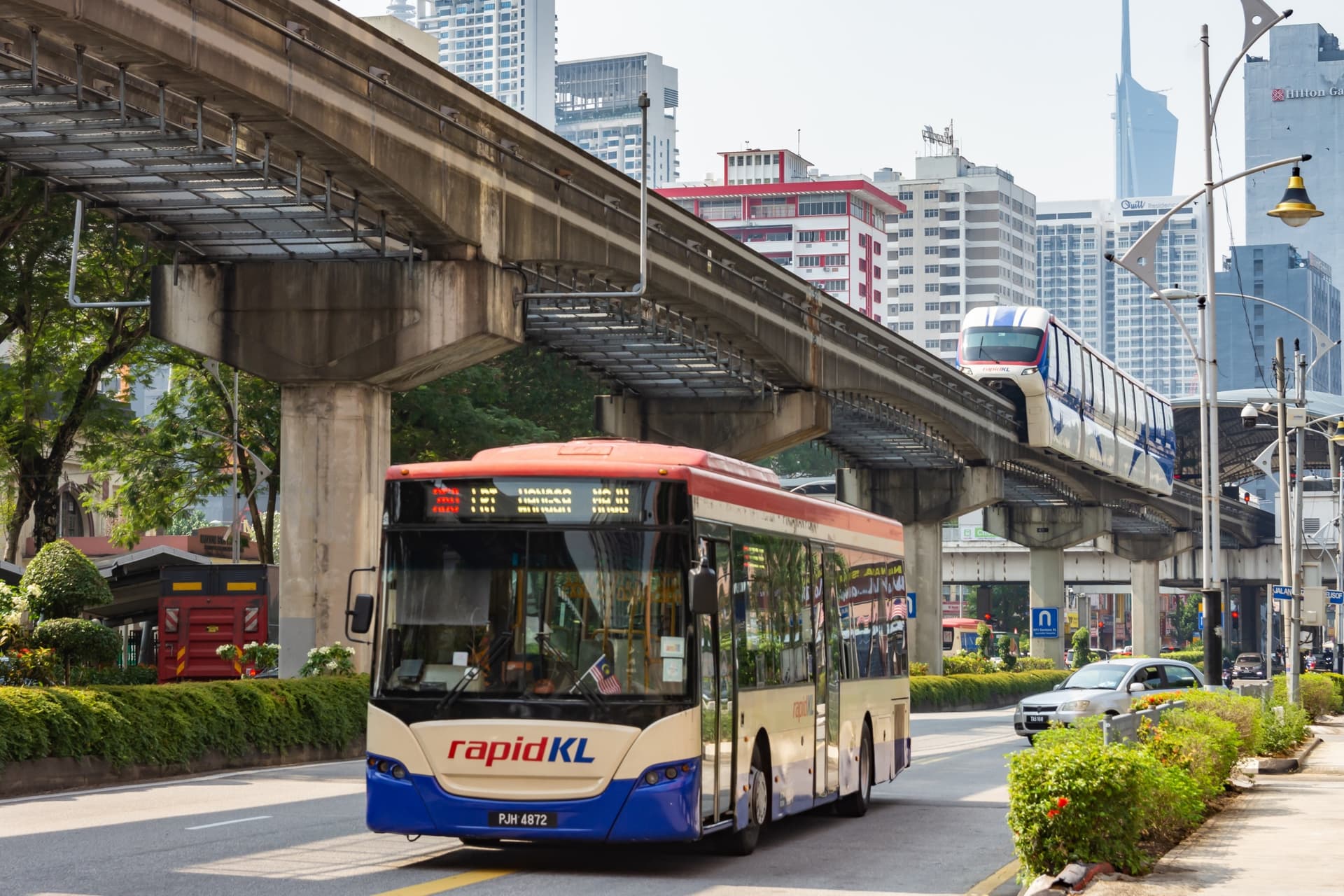
Without question, buses are the most popular mode of transport for travellers in Malaysia. Economical, comfortable, and available almost everywhere, they serve both major cities and remote villages.
On main routes, buses are air-conditioned with reservable seats. Konsortium Transnasional Berhad is the country's principal operator, with subsidiaries including Transnasional, Nice, and Cityliner. Private companies like Aeroline and Supernice also offer long-distance services.
On heavily trafficked routes, buses are so frequent that you can often simply show up at the ticket counter for a seat on the next departure.
However, it's worth noting that public buses are often less modern, lacking air conditioning and poorly signposted in smaller towns and kampung (villages). Ask locals about schedules, and tickets are purchased directly onboard.
Another important consideration regarding buses in Malaysia: some drivers speed to maximise the number of trips per day. Accidents, occasionally fatal, remain unfortunately frequent.
2. The Train
Malaysia's railway network is managed by KTM (Keretapi Tanah Melayu Berhad). Less extensive than the bus network, it offers superior comfort and allows you to sidestep congestion in major cities.
What are the main routes?
- The West Coast Line: the most modern. It connects Singapore to the Thai border via Kuala Lumpur and Butterworth (near Penang). Electric ETS trains offer three service levels: Silver, Gold, and Platinum, from slowest to fastest. The Kuala Lumpur-Butterworth journey takes around 4 hours.
- The Jungle Railway: a legendary line that cuts through tropical forests and mountains in the peninsula's interior. It links Gemas to Tumpat, near Kota Bharu, in 12 to 14 hours. A spectacular voyage not to be missed if you love natural scenery. Book a window seat.
- The Southern Line: connects Kuala Lumpur to Johor Bahru, at the Singapore border. The journey is longer than by bus, but it's a good alternative to escape road traffic.
On Borneo, only one railway line exists in Sabah State: the Sabah State Railway. It runs from Tanjung Aru to Tenom in 4 to 5 hours, hugging the Padas River through dense jungle.
How do you book?
Tickets are available on the KTMB website, as well as platforms like 12Go.Asia and Easybook. It's highly advisable to book in advance, especially during peak season or school holidays.
3. The Aeroplane
With around twenty airports, including seven international ones, air transport is well-developed in Malaysia. Flying becomes almost essential for connecting the peninsula to East Malaysia, as no ferry covers this route.
Kuala Lumpur International Airport (KLIA), located roughly 45 km from the city centre, is the country's main hub. It comprises two terminals:
- KLIA, used by Malaysia Airlines and major international carriers
- KLIA2, dedicated to AirAsia and budget airlines
Malaysia Airlines operates domestic and international flights. Its subsidiary Firefly also runs domestic services. AirAsia, Asia's budget airline giant, covers a wide network at often very attractive fares.
During promotional periods, tickets between Kuala Lumpur-Langkawi or Kuala Lumpur-Penang can be found for less than 50 RM, roughly 10 euros. Compare prices on Skyscanner to find the best deals.
4. The Ferry
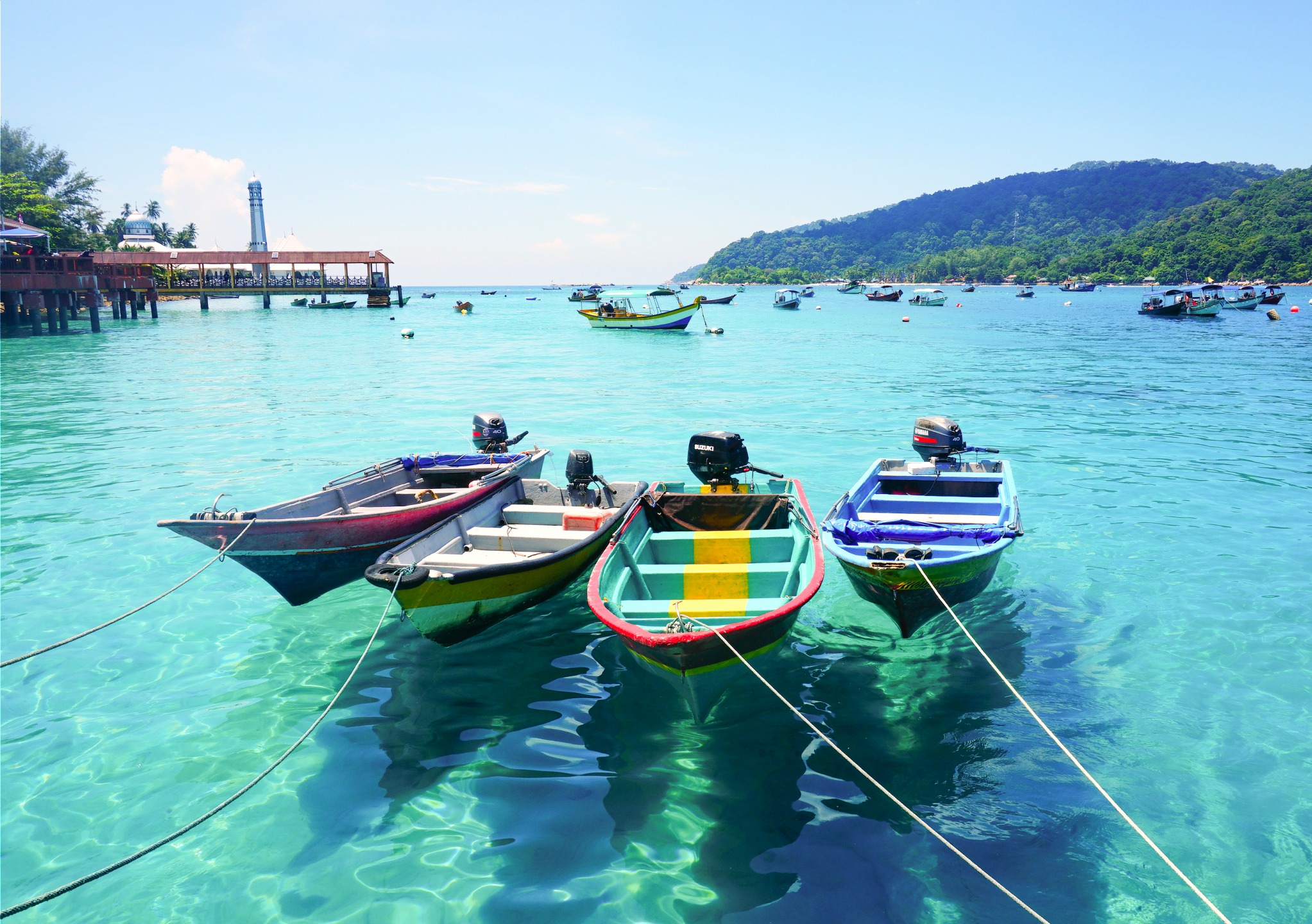
To reach the numerous islands dotting Malaysia's coastline, ferries are the preferred mode of transport. The network is reliable and well-organised.
Main operators and routes
- Langkawi Ferry Line Ventures: serves Langkawi from Kuala Kedah, Kuala Perlis, and Penang
- Bluewater and Cataferry: operate crossings to Pulau Tioman from Mersing and Tanjung Gemok
- Perhentian Trans Holiday: links Kuala Besut to the Perhentian Islands
- Labuan Ferry: connects Labuan Island to Kota Kinabalu, with a stop in Brunei
On Borneo, ferries also allow you to reach Brunei from Kota Kinabalu, or Indonesia from Tawau.
Practical advice
Fares vary by season, operator, and crossing type (express or standard). Between March and October, prices rise on the east coast due to peak tourist season. It's advisable to book in advance on 12Go.Asia, BusOnlineTicket, or directly with operators.
During the monsoon, crossings to Tioman, the Perhentians, or Redang may be delayed or cancelled. The west coast, with Langkawi and Penang, enjoys more favourable conditions year-round. Check weather forecasts before each departure.
5. Taxis and Grab
In cities and tourist areas, taxis and ride-hailing services are readily accessible. In Kuala Lumpur, traditional taxis are recognisable by their red and white or yellow and blue livery. They operate with a meter, though some drivers in tourist zones may refuse to use it. In that case, negotiate the fare before boarding.
The Grab app is today the preferred solution for most travellers. Malaysia's equivalent to Uber, it displays fares upfront and offers several services to suit your needs:
- GrabCar for a private car ride
- GrabTaxi for a classic taxi paid via the app
- JustGrab, combining both at a fixed rate
- GrabBike for quick motorcycle trips
- GrabShare to split a ride at lower cost
An internet connection is required to use the app. During peak hours, fares increase based on demand.
6. Car and Scooter Rental
Renting a car or scooter is an excellent way to venture off the beaten path, particularly on Borneo where public transport is limited.
A scooter costs between 8 and 15 € per day, a motorcycle between 12 and 20 €. For a car, expect 24 to 35 € per day, including insurance.
A few rules to follow:
- Minimum age for renting a car is 21 years
- An international driving licence is mandatory
- Driving is on the left
- Wearing a helmet is compulsory on motorcycles
- On toll highways, the Touch'n Go card (available at petrol stations) simplifies payment
Roads are generally in good condition on the peninsula. On Borneo, however, some remote areas may be harder to access.
7. Other Ways to Get Around Malaysia
Beyond conventional transport, Malaysia offers a few other modes of travel worth mentioning.
The Tuk-tuk
The tuk-tuk does exist in Malaysia, but it's far less prevalent than in other Southeast Asian countries like Thailand or Cambodia. You'll find them mainly in certain tourist towns and on a few islands.
Places where you might encounter them:
- George Town, on Penang Island
- Malacca, the historic strait town
- Langkawi and other tourist islands
In major metropolises like Kuala Lumpur, tuk-tuks are extremely rare. Locals and travellers vastly prefer taxis, buses, or Grab for daily travel.
Hitchhiking
Given the very affordable cost of buses, few travellers choose this option.
A few important points to keep in mind if you're considering hitchhiking:
- Hitchhiking is strictly prohibited on federal expressways (Lebuhraya)
- Travel in pairs rather than alone
- Always inform someone of your itinerary before leaving
- Solo female travellers face particular risks
As with anywhere in the world, hitchhiking carries risks. We don't recommend it, but if you choose this method, proceed with caution.