Safety in Malaisie: is
Malaisie is generally considered a fairly safe destination for travelers. Acts of violence are infrequent and foreigners are rarely victims of serious crimes. Like
Malaisie is generally considered a fairly safe destination for travelers. Acts of violence are infrequent and foreigners are rarely victims of serious crimes. As in any tourist destination, certain precautions remain necessary to avoid problems related to petty crime, scams, or certain local risks.
This guide helps you understand the main safety questions in Malaisie and adopt the right reflexes to travel with peace of mind.
General safety in Malaisie
Overall, Malaisie presents a relatively high level of safety for visitors. Thefts and assaults are less frequent than in several countries in the region such as Thailand and Indonesia. However, this does not mean you should drop your guard.
Incidents mainly concern minor offences, such as pickpocketing or bag snatching, particularly in large cities, tourist areas, and at the airport. Kuala Lumpur and certain urban areas of Penang are sometimes cited for such incidents, especially in the evening or in less frequented neighborhoods.
Foreigners are rarely victims of violent crimes. However, motorcycle thieves may attempt to snatch bags. Women walking alone or with children are particularly targeted.
A few simple rules help reduce risks:
- limit valuables carried
- carry your bag on the side opposite to traffic
High-risk areas
Certain regions require greater caution. Authorities advise against the northern and eastern coasts of Sabah State, as well as surrounding islands. Risks related to piracy and terrorism exist there. The towns of Tawau, Sandakan, and Semporna are also mentioned as sensitive areas.
More generally, the eastern coastal zone of Sabah is considered a special security zone. Kidnappings by criminal or militant groups have occurred there, particularly in maritime zones or near diving stations and islands. The risk is higher at night, especially on the water.
It is advisable to follow the instructions of local authorities and stay informed of any curfews.
Increased vigilance is also recommended in border regions with Thailand.
Crime and theft
Minor crimes represent the main threat to travelers. Never leave valuables unattended in a bungalow or vehicle. Keep your passport with you at all times, and store copies separately or a digital version accessible online.
Physical assaults occur mainly in the evening, in disadvantaged neighborhoods of large cities. Avoid deserted streets after nightfall.
In cheap beach bungalows or chalets, a sturdy small padlock can be useful to secure your belongings.
Scams and fraud
As in many tourist destinations, some travelers may encounter scams.
People may approach tourists in public places offering gambling games or significant winnings. Victims can lose large sums before understanding the fraud.
Financial scams also exist. Some people pose as company representatives or offer fake loans or false professional opportunities.
Bank fraud is also a growing problem. The magnetic strips on cards can be copied and banking information retrieved, sometimes even in certain international hotels.
To reduce risks:
- use your card only in recognized establishments
- cover the keypad when entering your code
- regularly check your bank statements
- prefer ATMs located in banks or well-lit places
It is recommended to keep your debit card with you and avoid leaving it in a hotel safe.
Transport safety
Transports are generally reliable, but certain situations require caution.
Upon arrival at Kuala Lumpur International Airport, beware of unlicensed taxis offering their services to travelers. These drivers often charge excessive fares and some cases of theft or assault have been attributed to them. Always get a coupon from the official taxi desk before leaving the arrivals area.
In general, if a driver refuses to use a meter, negotiate the price in advance or change taxis. If in doubt, use a reliable booking app and verify that the driver's photo matches the person at the wheel.
In bus stations, touts may try to fill certain buses. It is better to take time to choose reliable transport rather than accept the first offer. Night coaches are more involved in accidents. Thus prefer daytime trips and use recognized companies.
Regarding driving, conditions vary by region. In cities, motorcyclists frequently adopt aggressive behavior, weaving between vehicles.
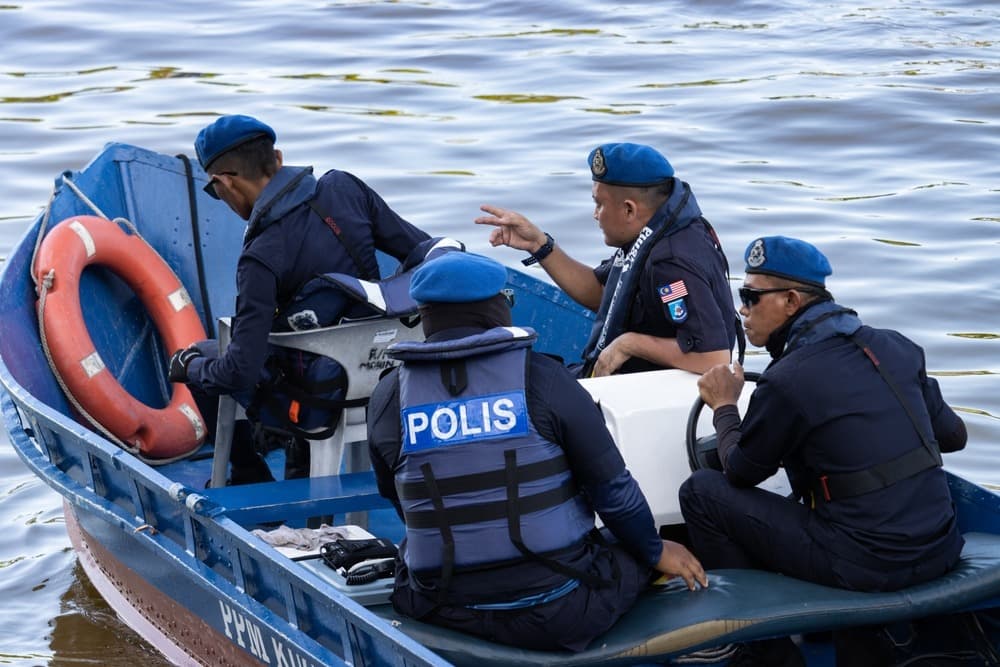
Boat accidents have also been reported in Malaisie. It is advisable not to board a boat that appears overcrowded or in poor condition.
Protests and gatherings
Demonstrations may occur in certain cities. Even when intended to be peaceful, they can sometimes escalate.
Foreigners do not have the right to participate in these gatherings. It is therefore recommended to avoid areas where demonstrations are taking place and to follow the directives of local authorities.
Animal-related risks
In natural areas and national parks, certain animals can pose a danger.
You may encounter venomous snakes, macaques likely to snatch items, or saltwater crocodiles in estuaries. Orangutans can sometimes become aggressive.
Rabies is also present in the country. Any animal bite must be taken seriously and require medical care.
In the jungle, you may encounter leeches. However, they pose no danger to humans.
Drugs (zero tolerance)
Malaisie applies an extremely strict policy regarding narcotics. From the airport, signs are unambiguous. The transport, possession, or use of drugs can lead to the death penalty.
Possessing as little as 15 grams of an illicit substance is enough to be accused of trafficking. Cannabis consumption is also totally prohibited. This rule applies to the entire Malaisian territory, without exception.
Health safety
From a health standpoint, Malaisie is considered a relatively safe country. Medical care is generally of good quality and hospitals are well-equipped.
Before departure, no vaccine is officially mandatory, except for yellow fever (only for travelers from or transiting through an infested country). However, it is recommended to have current vaccinations updated, particularly against diphtheria, tetanus, poliomyelitis, pertussis, and hepatitis B. In a tropical country like Malaisie, vaccination against hepatitis A is strongly advised and that against typhoid fever can be considered, particularly for long stays or in basic conditions. In certain cases, particularly for prolonged stays in rural areas or trekking activities, vaccines against rabies and Japanese encephalitis may also be recommended.
Mosquitoes are very present in Malaisie and can transmit certain diseases. Malaria still exists in the country, but it is now limited to areas not frequently visited by tourists in western Malaisie.
Dengue, on the other hand, is very widespread. Transmitted by mosquitoes active during the day, it generally causes fever, headaches, muscle pain, and intense fatigue, sometimes accompanied by a rash. Although this disease is generally not fatal, there is no specific treatment.
Prevention therefore remains essential. It is recommended to use an effective mosquito repellent containing 50% DEET. The product should be applied to exposed parts of the body and reapplied approximately every four hours.
In addition, it is advisable to protect yourself from the sun with a hat, glasses, and suitable sunscreen, even when the sky appears overcast. In certain rural or isolated areas, it is preferable to avoid drinking unmonitored water.