Langkawi
Langkawi
An archipelago of 99 islands designated a UNESCO Geopark, Langkawi combines pristine white-sand beaches, tropical rainforests and lush mangroves. Your complete travel guide.
Langkawi is an archipelago of 99 islands nestled in the northwest of Malaysia, within the Strait of Malacca. Recognised as a UNESCO Global Geopark, it blends white-sand beaches, tropical forests and luxuriant mangroves. Discover everything you need to know about this spectacular beach destination in our comprehensive travel guide.
History
For centuries, Langkawi was tied to the Sultanate of Kedah, though it remained on the periphery of its influence. The archipelago was mentioned by several Asian travellers as early as the 14th century. By the 15th century, merchants knew it as the "island of pepper"—a commodity highly prized at the time.
The original population of Langkawi consisted of Austronesian peoples, including the Orang Laut. In 1821, Siamese forces invaded the archipelago. Villages were destroyed, many inhabitants were enslaved, and a large portion of the population fled. The population declined sharply before gradually recovering. The islands were reclaimed from the Siamese in 1837.
In 1909, Langkawi came under British administration. It remained under colonial rule until Malaysia's independence in 1957.
Langkawi Today
Langkawi's transformation into a major tourist destination began in 1986, spearheaded by Prime Minister Mahathir Mohamad. In 2007, UNESCO granted it Global Geopark status in recognition of the exceptional value of its geological and natural heritage.
The archipelago now welcomes over three million visitors annually, drawn by its pristine landscapes and its status as a duty-free zone, which makes it one of the most affordable places in Malaysia for dining and shopping. The main island (Langkawi) is home to the capital, Kuah, with a population of approximately 100,000.
What to Do in Langkawi?
1. Ride the SkyCab and Walk the SkyBridge
The Langkawi SkyBridge is the world's longest free-span curved bridge, suspended at approximately 640 metres altitude. It features a transparent glass walkway suspended from a single, massive pylon.
The SkyCab cable car, Malaysia's highest, whisks you to the summit of Mount Machinchang, the archipelago's second-highest mountain. Glass-floored cabins are available for the particularly daring.
2. Explore Kilim Geopark
The Kilim Karst Geoforest Park spans approximately 100 km² of mangroves harbouring remarkable indigenous flora and fauna. Exploring these aquatic forests is done by boat.
The park is one of three conservation zones within Langkawi's Geopark, alongside the Machincang Cambrian Geoforest Park and the Dayang Bunting Marble Geoforest Park.
3. Join an Island-Hopping Excursion
With nearly a hundred islands to explore, island-hopping is one of the most popular activities in the archipelago. Excursions typically include stops at Dayang Bunting, Pulau Beras Basah and the wildlife sanctuary of Pulau Singa Besar. For thrill-seekers, jet-ski circuits are also available.
4. Take a Sunset Cruise
A late-afternoon catamaran cruise is a memorable way to discover the archipelago's waters. Combining ocean vistas, barbecue and marine wildlife watching, it blends relaxation with escapism.
5. Discover Night Markets
Night markets, known as pasar malam, move locations depending on the day. They're held notably in Kuah, Pantai Cenang and Padang Matsirat. You'll discover varied local cuisine, some artisan crafts and lively atmosphere, right in the heart of island life.
6. See Waterfalls
The interior of the main island holds several waterfalls accessible as a day trip. Telaga Tujuh, whose name means "the seven wells," are the most famous: seven distinct cascades feed seven natural pools carved into the slopes of Mount Mat Cincang. A trail from the SkyCab cable car station allows you to reach them on foot.
During the rainy season, Air Terjun Temurun waterfalls are also worth a visit. Water cascades 30 metres down into a natural pool perfect for swimming.
7. Enjoy the Beaches
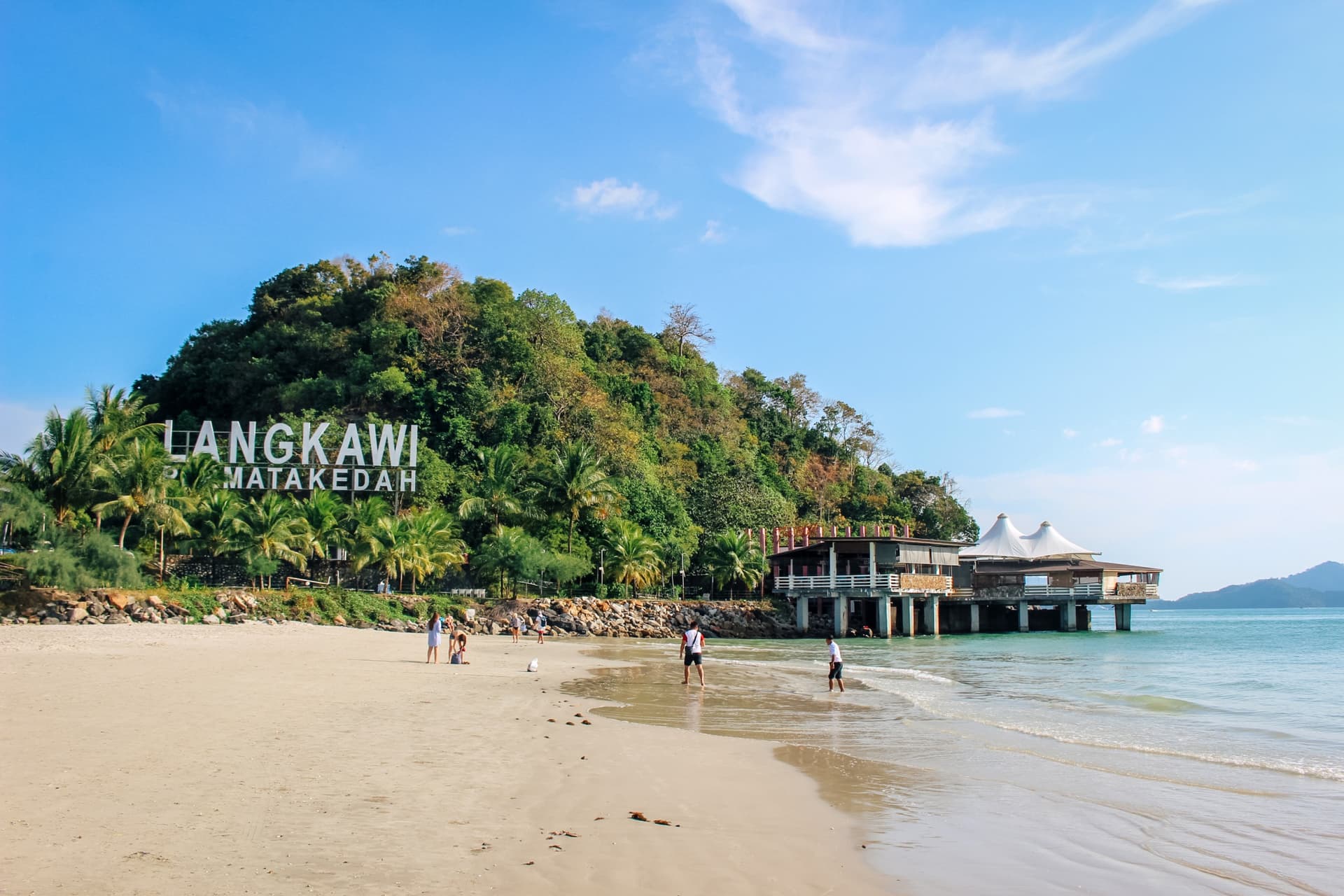
Pantai Cenang is the island's most popular beach, with a wide array of water sports: parasailing, jet-skiing, banana boats, and more. In the evening, beachfront bars welcome visitors for sunset accompanied by jugglers and fire-breathers.
Tanjung Rhu is a more secluded beach with turquoise waters and white sand. The contrast with Pantai Cenang's hustle makes it a retreat in its own right.
8. Visit Eagle Square (Dataran Lang)
On the waterfront of Kuah Town, a 12-metre-tall eagle statue towers over the port. This monument pays homage to the very etymology of Langkawi's name, derived from Malay meaning "reddish-brown eagle." The square is a popular viewpoint, offering 360° panoramas of the port and surroundings.
Access is by plane or ferry. Flights connect the island to several Malaysian cities and some regional destinations. Maritime links also exist from Kuala Kedah, Kuala Perlis, Penang or the Thai island of Koh Lipe.
The island has no public transport system. Taxis, notably via the Grab app, are the most common way to get around. Organised excursions are a convenient option.
Where to Stay?
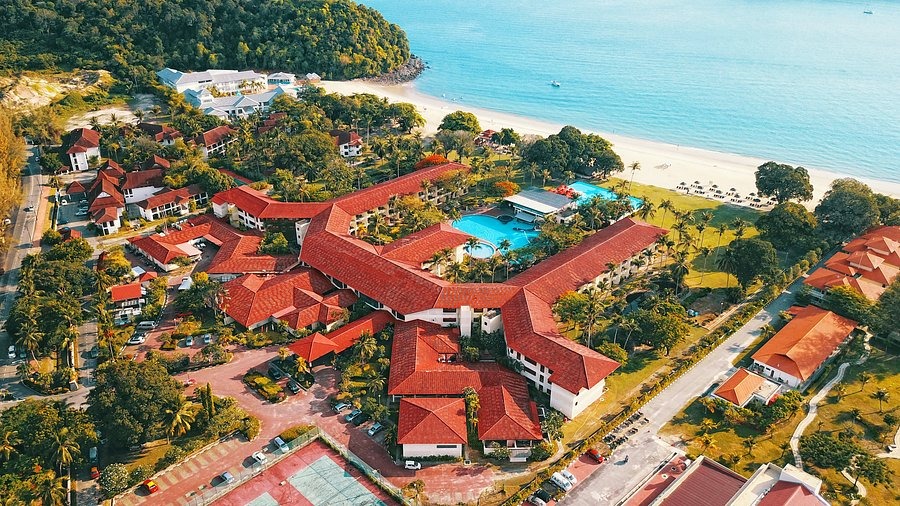
Langkawi offers accommodation for all budgets, spread across several areas with distinct atmospheres:
- Pantai Cenang: the most vibrant zone, ideal for those seeking nightlife and shopping proximity.
- Pantai Tengah: just south of Pantai Cenang, slightly quieter and more residential.
- Tanjung Rhu: exceptional setting for a luxury stay, with some of the island's most beautiful beaches.
- Kuah Town: convenient for a brief stopover, particularly near the ferry terminal.
- Pantai Kok: lush area surrounded by limestone hills, with a modern marina and peaceful beach.
When to Visit Langkawi?
The dry season, running from November to April, is the most favourable period for visiting the archipelago. Waterfalls like Air Terjun Temurun are more spectacular during the rainy season, between May and October.
Accommodation in Langkawi
Want to discover this destination?
Our local advisors design your tailor-made trip.