Perhentian Islands
Perhentian Islands
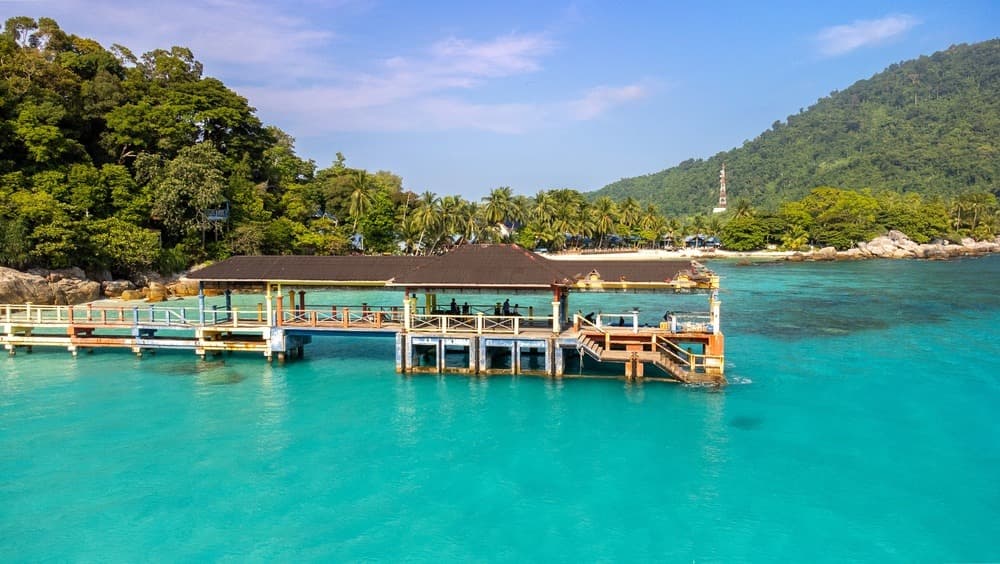
A marine park off Malaisie's northeast coast, the Perhentian Islands captivate with their crystalline waters, thriving reefs and pristine beaches.
Located roughly 19 km offshore from the northeast coast of peninsular Malaisie, the Perhentian Islands reveal a still-wild tropical environment. They're celebrated for their crystal-clear waters and extraordinary marine biodiversity, drawing together diving and snorkeling enthusiasts from around the world. Whether you're seeking complete respite or planning to explore the underwater realm, the archipelago promises an unforgettable escape.
History
The history of the Perhentian Islands is deeply intertwined with their strategic geographical position. In Malay, their name literally means "stopping point"—a designation that echoes their historical role as a waystation for merchants traveling between Bangkok and Malaisie.
This maritime function appears again in British colonial archives from the 19th and 20th centuries, where the archipelago is frequently referred to as the "Station Islands," a direct translation of its local name.
For a long time, life on these islands remained peaceful, dictated by the rhythms of a small fishing community. In the 1970s, the archipelago welcomed Vietnamese "boat people" fleeing conflict in their homeland.
In 1994, the Perhentian Islands were designated a marine park. Since then, all fishing is prohibited within two nautical miles of their shores.
The Perhentian Islands Today
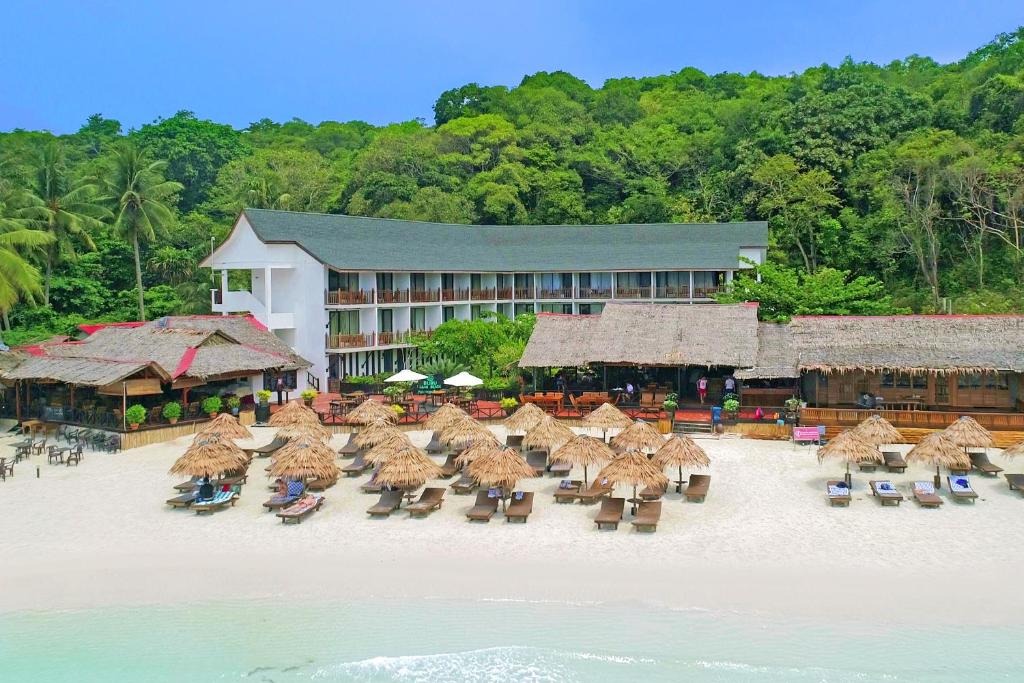
The archipelago now thrives primarily on ecotourism. Its two principal islands, Perhentian Besar and Perhentian Kecil, are renowned for their white sand and transparent waters. Visitors come mainly to swim and dive. Beneath the surface, you'll easily spot sea turtles, clownfish and small sharks. On land, the jungle shelters monitor lizards and numerous geckos.
What to Do on the Perhentian Islands?
Hike to Landing Beach and Adam & Eve Beach
Perhentian Kecil, the smaller of the two principal islands in the archipelago, hides two magnificent beaches accessible only on foot or by boat. You can begin your hike from Long Beach. The trail climbs through tropical forest for roughly 1.2 km before reaching Perhentian's wind turbine, where a wooden walkway traces the coastline.
Landing Beach, the first beach, emerges after 20 to 30 minutes (mostly downhill). This crescent-shaped bay welcomes few visitors in the morning. Several islets dot the horizon.
At the southern tip, smooth granite boulders conceal an even tinier cove, framed by turquoise, shallow water and seaside pines. The rocky seabed demands proper footwear for swimming.
Adam & Eve Beach lies further on. This expanse of golden sand is even more pristine than the previous one. The water here is less rocky, making swimming easier. Views open onto the same islands visible from Long Beach.
Good to know: Water taxis can take you directly to these beaches. The journey from Coral Beach takes about ten minutes. You can also book a boat for a return at a set time.
Dive
The archipelago features over ten dive sites, including two wrecks. Divers can encounter reef sharks, sea turtles, blue-spotted rays and barracudas. Several PADI centers offer training for all levels, from introductory dives to advanced certifications.
Go Snorkeling
Non-divers can discover marine life during boat excursions. Several local operators organize these trips from Long Beach or Coral Beach. Prices and destinations vary by provider.
Shark Point, situated on the southern flank of Perhentian Besar, the largest of the archipelago's two principal islands, is a favored spot. This shallow zone borders a granite coast. Corals are absent here, yet blacktip sharks regularly patrol the area. These creatures reach up to two meters and pose no danger to humans, provided you maintain a respectful distance. You may encounter five or more during a single outing.
The Seabelle Rock lighthouse rises from a submerged rocky platform in open water. Currents here run stronger than elsewhere. Caution near the structure is advised to avoid cuts from rocks and shells. Surrounding corals teem with colorful fish, particularly rainbow parrotfish and clownfish.
Romantic Beach, northeast of Perhentian Kecil, is reached in ten minutes from Coral Beach. White sand contrasts with granite boulders. Corals concentrate to the right of the beach, near the rocks. Schools of small fish here are particularly abundant and coral formations display brilliant hues.
Visit Kampung
In the southeast corner of Perhentian Kecil nestles a fishing community. Its harbor hosts small motorized vessels floating above silver-fish banks. Snorkeling excursions often stop here for lunch. It's also possible to visit by renting your own boat.
Restaurants serve Malaysian dishes at reasonable prices, typically as buffets with rice and various accompaniments, charged according to your selection. Stalls also sell desserts like bingsu, shaved ice topped with fresh fruit.
The Ar Rahman Pulau Perhentian Mosque, also known as Masjid Putih, floats on the water nearby. It's the only religious building on the island. Free guided tours let you explore the interior.
Relax on Kecil's Main Beaches
Coral Beach hosts several establishments where you can enjoy coffee or cocktails. At dusk, plastic chairs are arranged facing the sunset. Braziers illuminate the beach afterward.
Long Beach unveils a more dramatic panorama. Several establishments here serve fresh juices, lassis, milkshakes and Malaysian fare like fried rice, tom yam or soups. During high season, fire performances light up the northern end after dark.
Explore Perhentian Besar
Perhentian Besar also offers wonderful discoveries. The atmosphere here is more family-oriented and tranquil than on Perhentian Kecil. Beaches are less crowded and prices generally higher. It's reached in approximately 5 to 10 minutes by water taxi from Kecil.
Teluk Pauh in the north and Teluk Keke in the south rank among the archipelago's most peaceful beaches. Sheltered from maritime traffic, they seduce with their crystal waters ideal for snorkeling. White sand and unspoiled surroundings invite relaxation.
Flora Bay is accessed on foot or by water taxi from the main beaches. Corals flourish in its shallow waters. Trails wind through surrounding jungle, where you'll encounter monitor lizards, monkeys and impressive ants. The setting combines beach tranquility with natural exploration.
A ferry departing from Kuala Besut is the sole means of access to the Perhentian Islands. The crossing takes between 30 and 40 minutes. The boat services both Perhentian Kecil and Perhentian Besar. Online booking is recommended, especially for the day's final departures.
Kuala Besut is typically reached by plane via Kota Bharu, then by taxi. Buses also connect the terminal from Taman Negara, the Cameron Highlands, Penang or Kuala Lumpur.
The islands have no roads. You must travel on foot or by water taxi to reach different beaches. Local boats provide regular links between Coral Beach, Long Beach and more secluded beaches.
When to Visit the Perhentian Islands?
The tourist season runs from March to October. By late October, weather conditions become less stable with rougher sea crossings. Outside this window, monsoons render the archipelago uncomfortable and all establishments close. Favor the April to September period for optimal conditions.
FAQ
How Long Do I Need to Explore the Perhentian Islands?
A stay of three to five days gives you time to rest on the beaches and practice snorkeling and diving. Three days cover the main activities. Five days bring greater tranquility.
Should I Book in Advance?
Booking is essential from June to August and during school holidays. Outside these periods, you can try your luck on arrival.
Can I Use Debit Cards?
Some accommodations accept cards, but most shops and taxis operate on cash only.
Is It Suitable for Families?
Yes. Perhentian Besar is particularly well-suited to families with its calm beaches, while Perhentian Kecil appeals to backpackers.
Accommodation in Perhentian Islands
Want to discover this destination?
Our local advisors design your tailor-made trip.