Kuching
Kuching
Former capital of the White Rajahs and gateway to Malaysian Borneo, Kuching blends colonial heritage, multicultural markets, and breathtaking national parks.
Situated on the banks of the Sarawak River, Kuching is an essential stop for any journey through Eastern Malaysia. Between the historic heritage left by the Brooke dynasty and stunning natural parks, it offers a unique face of Borneo. Everything you need to know in this travel guide.
A Brief History of Kuching
The name Kuching is believed to derive from the Malay word kucing, which means "cat," hence its nickname the "City of Cats." However, it may instead come from the Chinese term "cochin," which denotes a port, combined with the Malay expression mata kucing ("cat's eye"), which refers to the longan, a highly prized fruit.
A former possession of the Brunei Sultanate, the region rebelled in 1836 against taxes imposed by the local governor. James Brooke, an English adventurer, intervened to quell the rebellion. As a reward, he was appointed Rajah of Sarawak in 1841 and made Kuching his administrative capital.
The dynasty of the "White Rajahs" modernized the city for a century until Japanese occupation in 1941. After World War II, the territory was ceded to the British Crown before joining Malaysia in 1963. Kuching retained its status as the State capital.
Kuching Today
Today, Kuching is a dynamic and cosmopolitan city, uniquely administered by two separate mayors. A true cultural mosaic, it is home to a diverse population composed of Malays, Chinese, and indigenous peoples such as the Ibans. This diversity is reflected in the variety of languages spoken, particularly local Malay, Chinese, and English.
What to See and Do in Kuching?
The Waterfront
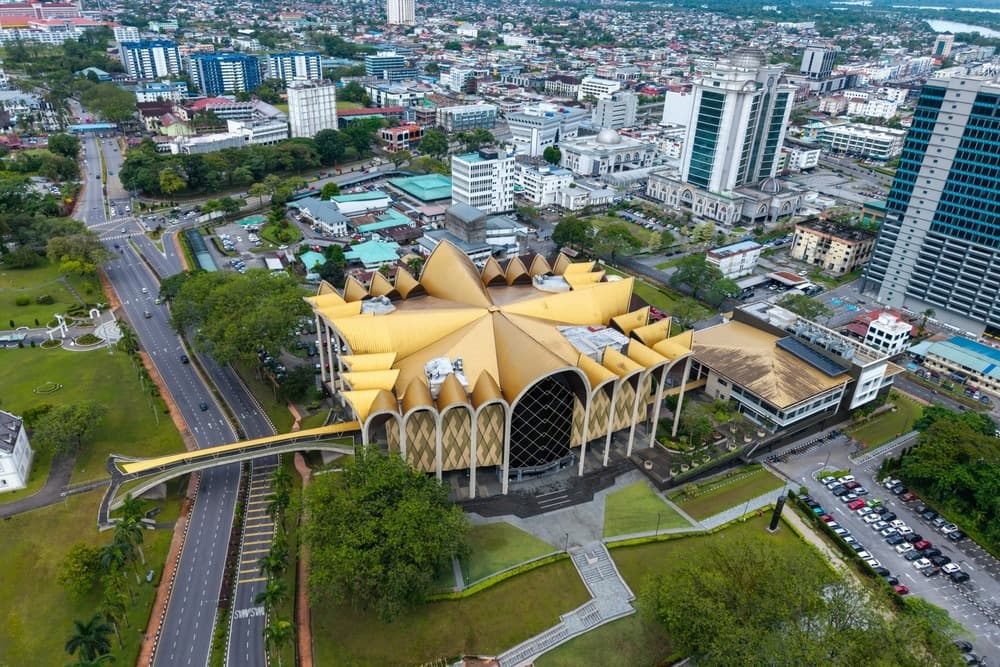
Stroll along the south bank of the Sarawak River to discover Kuching's waterfront. Spanning less than a kilometer, this path connects Waterfront Sunset Point in the east of the city. The route offers magnificent views of the city's most iconic monuments, such as the Astana Palace, Fort Margherita, and the impressive State Legislative Assembly. For a different perspective, you can admire these buildings from the water by renting a boat.
In the evening, the experience becomes magical thanks to the colorful lights of the Darul Hana Bridge and the surrounding buildings. A nightly water jet and laser show also takes place in front of the State Legislative Assembly every evening at 8:30 p.m., lasting 15 minutes. Don't miss tasting local specialties offered by vendors along your walk.
Indian Street and Chinatown
India Street is where you can shop for clothing like sports jerseys and loose pants while enjoying local snacks. Walking eastward, you'll reach the old courthouse and then the Chinese quarter. This area is home to the Hiang Thian Siang Ti Temple, located across from the Lau Ya Keng food center. Further along, a few bars welcome backpackers.
Fort Margherita
Established on the north bank of the Sarawak River, Fort Margherita is recommended for those wanting to learn more about Kuching's history. This former stronghold with brilliant white walls was built in the late 19th century to defend the city. It successively served as a prison and police museum.
The historic monument now houses the Brooke Gallery, a museum space dedicated to the era of the White Rajahs, from their rise to power through the Japanese occupation during World War II. You can access it by taking local small boats.
Borneo Culture Museum (Muzium Budaya Borneo)
Inaugurated in 2022 and nestled near Padang Merdeka, this world-class museum stands as one of Southeast Asia's most remarkable. It offers multiple thematic floors on Borneo: ancient history, ceramic arts, headhunting traditions, and the State's path to independence within Malaysia.
The space is airy and modern, integrating interactive technologies such as virtual reality headsets and audiovisual stations. The second floor is specifically designed for children, with games and educational installations.
Semenggoh Wildlife Centre
Located just thirty minutes from Kuching, Semenggoh Wildlife Centre is one of the best tourist attractions in Sarawak. This rehabilitation center is indeed a popular place to observe Borneo's most celebrated inhabitants: orangutans.
The site is accessible by Grab, then a buggy service takes visitors to the feeding area. Orangutans roam freely here. The best time to observe them is outside fruit season (November to March). Ideally, visit between May and June.
Bako National Park
Bako National Park is also located not far from Kuching. The Bako terminal, from where excursions to the protected area depart, is accessible by Grab. You must then take a boat to access the park.
The protected area is renowned for its biodiversity, blending mangroves, tropical forest, and beaches, with numerous hiking trails. Here the stars are proboscis monkeys and silvered leaf monkeys. A flagship attraction in the region and covering 27 km², it offers a concentrated taste of Borneo's fauna and flora.
Damai Beach
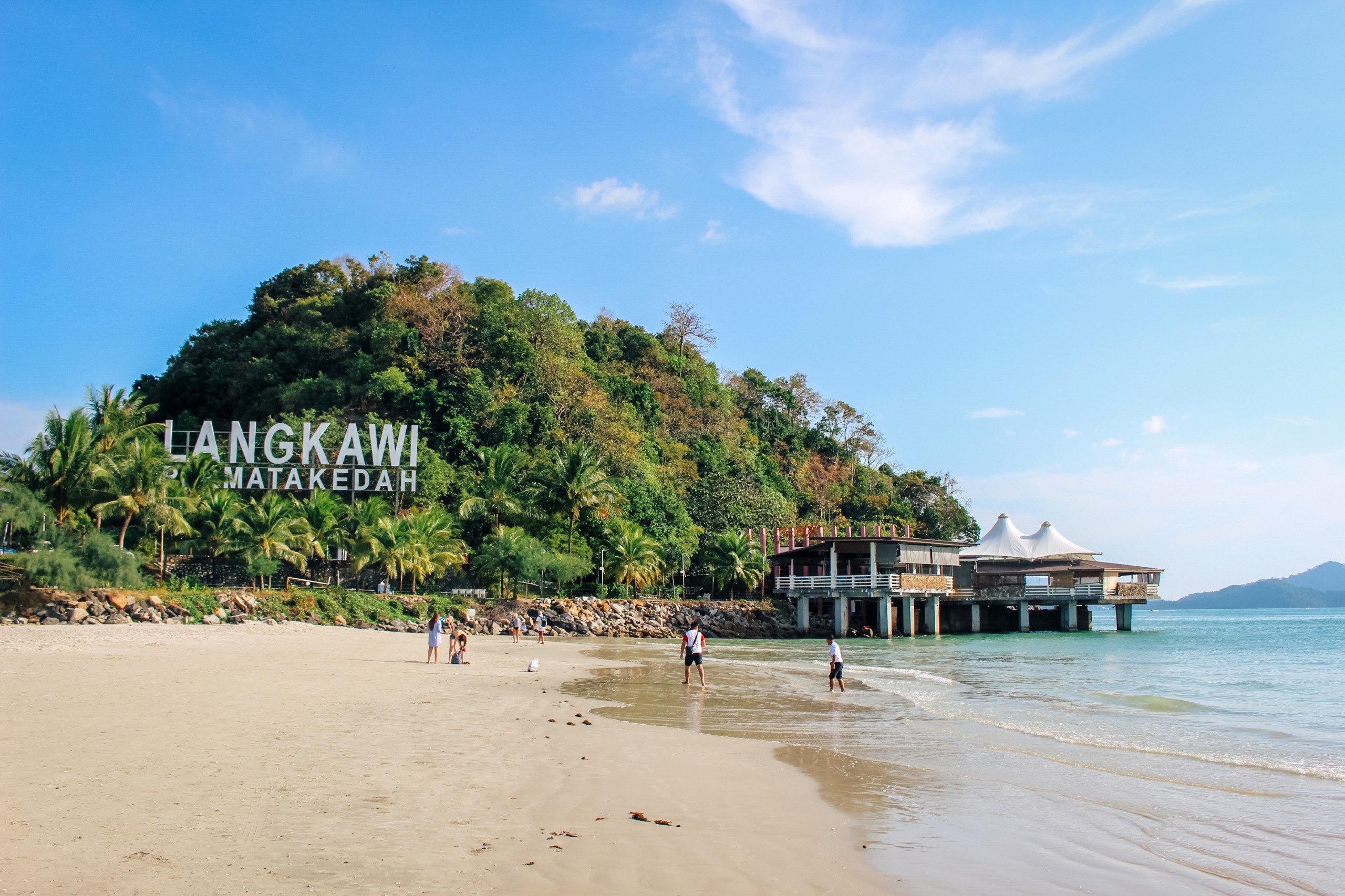
Located on the Santubong Peninsula, approximately 35 minutes from Kuching, Damai is among Sarawak's main beach resorts. It is known for its vast stretches of sand dominated by a jungle-covered mountain.
The area is home to major hotel complexes that organize, by reservation, excursions to encounter Irrawaddy dolphins. In the immediate vicinity of Damai, visitors can also discover the Sarawak Cultural Village, an award-winning living museum spanning 7 hectares.
Wind Cave and Fairy Caves
To be discovered about 45 minutes from Kuching and accessible by Grab, the Wind Cave and Fairy Caves are explored during a half-day excursion. Fairy Caves stands out for its impressive entrance to a cave system.
The visit can be challenging, as it requires climbing several sets of stairs along passages that are sometimes slippery. It is recommended to wear comfortable hiking shoes and bring flashlights to better observe not only the path but also the stalagmites, stalactites, bats, and swiftlets.
Gunung Gading National Park
Two hours' drive from Kuching, this park is one of Southeast Asia's best sites to admire the Rafflesia, the world's largest flower, blooming during a certain period of the year. Beyond this rare plant, the site is ideal for hiking and conceals waterfalls perfect for swimming.
Several trails of varying difficulty are available, some climbing to the summit of Mount Gading at nearly 1,000 meters altitude. For this full-day excursion, plan to bring sunscreen and mosquito repellent. It's possible to stay overnight on site.
Kuching Airport is located 12 km from the city and is connected to Kuala Lumpur and other destinations in Peninsular Malaysia. By land transport, a network of long-distance buses serves Kuching daily from major towns in Sarawak.
The city center is compact and can be explored on foot. To visit attractions located outside the city, you can take a Grab, which is more efficient and reliable than taxis.
When to Visit Kuching?
Kuching has an equatorial climate. The best time to visit the city and its surroundings extends from April to September, drier and sunnier, ideal for exploring national parks. The months from May to July are particularly recommended for warm temperatures and minimal rainfall. It is advisable to avoid the monsoon season, from November to February, which brings intense rains.
Attractions in Kuching
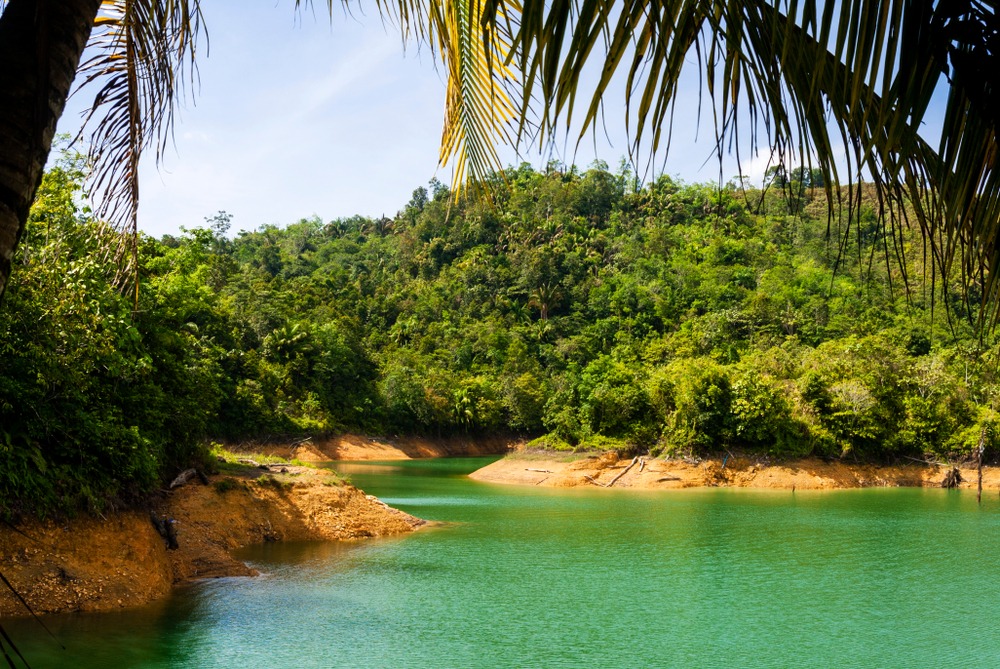
Parc national de Batang Ai
Parc forestier du Sarawak accessible uniquement en longboat, Batang Ai abrite orangs-outans sauvages, sentiers iban et longhouses traditionnelles.
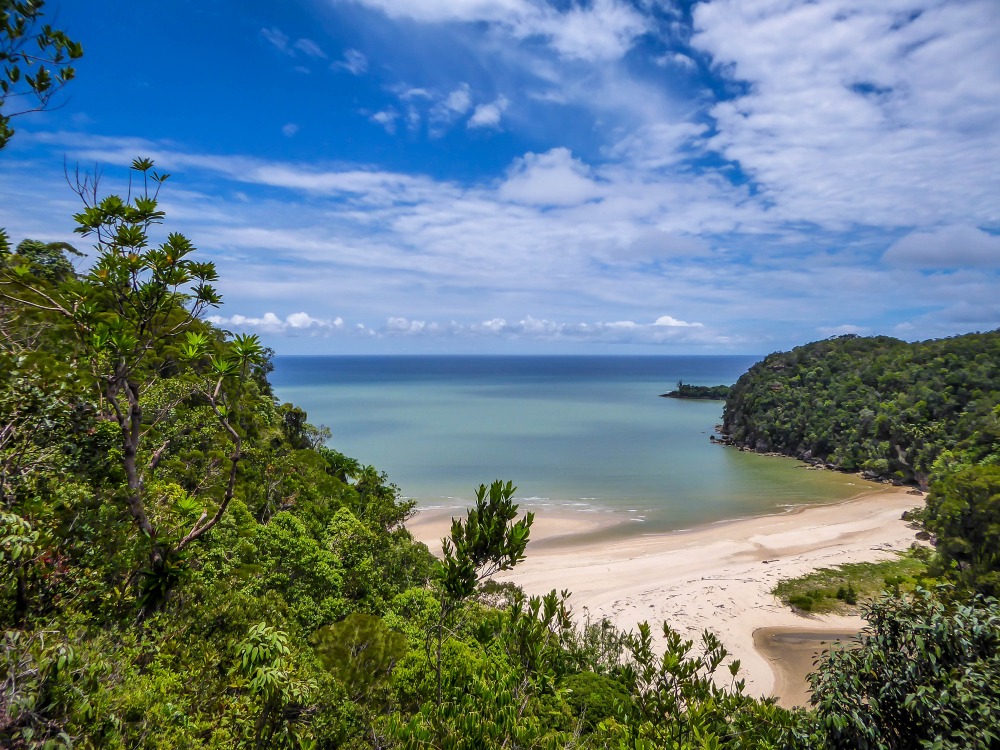
Parc national de Bako
À 40 km de Kuching, le parc national de Bako rassemble singes nasiques, sept écosystèmes et un littoral sculpté par l'érosion sur 27 km² de jungle bornéenne.
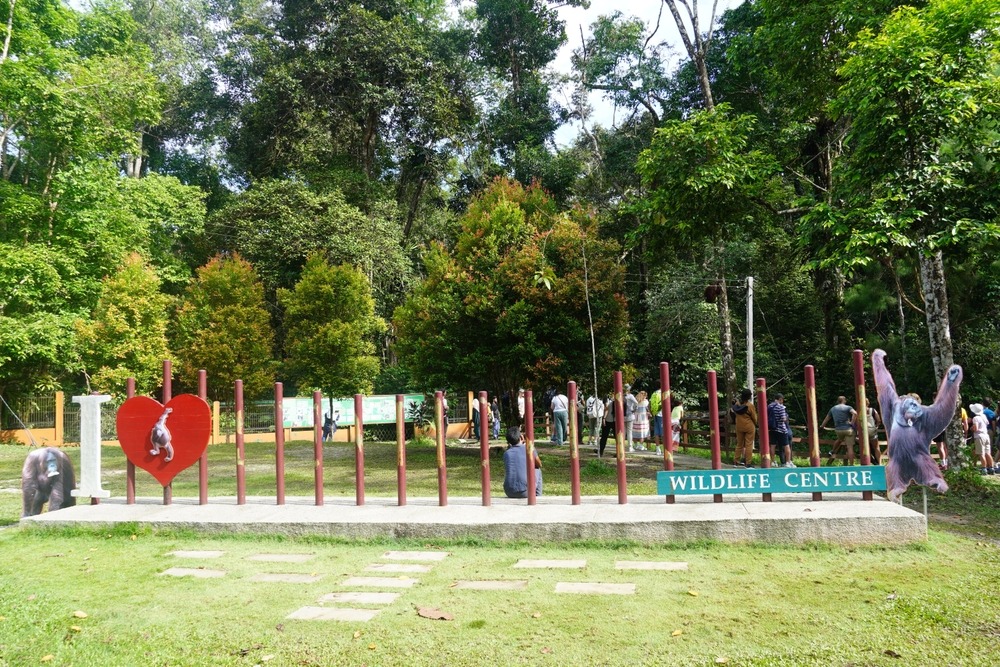
Semenggoh Wildlife Centre
À 24 km de Kuching, le Semenggoh Wildlife Centre permet d'observer des orangs-outans réhabilités en semi-liberté lors des sessions de nourrissage quotidiennes.
Accommodation in Kuching
Want to discover this destination?
Our local advisors design your tailor-made trip.