Kota Kinabalu
Kota Kinabalu
Capital of Sabah in northern Borneo, Kota Kinabalu blends a 4,095-meter mountain, paradise islands and Sabahan cultures. The complete guide to planning your stay.
Capital of the Malaysian state of Sabah, Kota Kinabalu welcomes you to the northwestern coast of Borneo. It's an essential stop when visiting this part of the country, as it offers privileged access to the famous Mount Kinabalu and the stunning Tunku Abdul Rahman National Park. But beyond these two natural jewels, Kota Kinabalu also holds other surprises for travelers. Discover them in this guide.
A bit of history
In the 15th century, this region belonged to the Brunei Empire. Much later, in the 19th century, the British North Borneo Company (BNBC) established a settlement on Gaya Island. However, a fire sparked by local chief Mat Salleh destroyed these installations in 1897. The colonists then chose a new location on the coast in 1899, first named "Api-Api" and later "Jesselton".
The town rapidly became an important trading post thanks to the railway. However, World War II caused massive destruction, particularly during the Japanese occupation and local uprisings. After the conflict, the BNBC ceded the city to the British Crown, which made it the capital of British North Borneo and undertook its reconstruction. Following the creation of Malaysia, Jesselton was officially renamed Kota Kinabalu in 1967. The term "Kota" means fort in Malay, paying homage to the neighboring peak.
Kota Kinabalu today
The city is now one of the economic engines of eastern Malaysia. Its rapid growth rests on a blend of commerce, industry, and international tourism. As the seat of the Sabah government, it hosts the state's main political and administrative institutions. You'll find a cosmopolitan atmosphere where modern infrastructure mingles with preserved traditions.
What to do in Kota Kinabalu?
Discover downtown and its nightlife
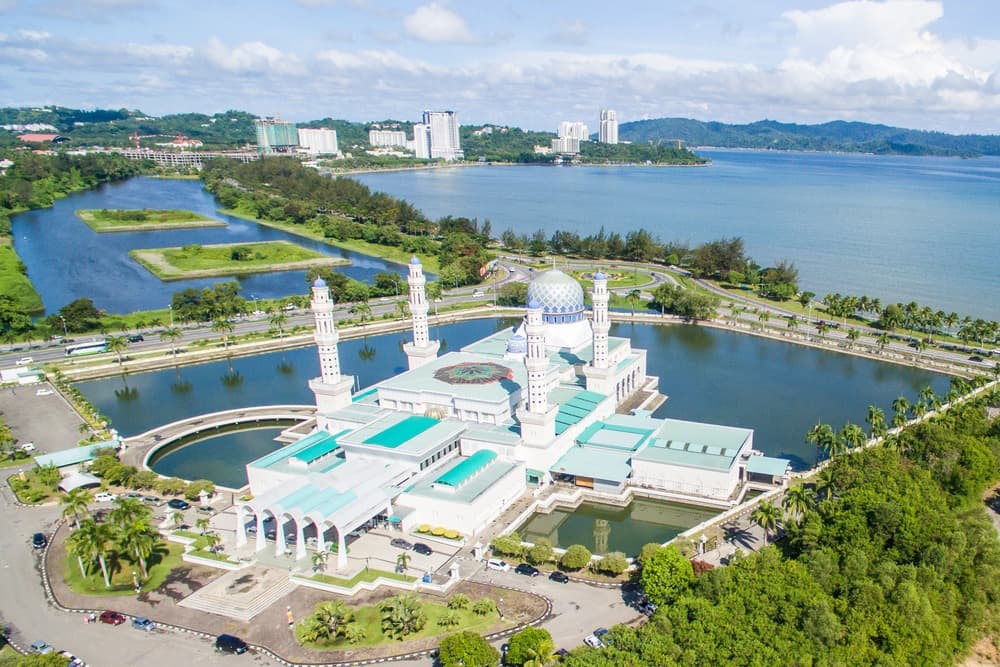
Begin your exploration of the city at the Masjid Bandaraya mosque, a floating structure with slender minarets evoking Medina's sacred mosque. Next, visit the Filipino handicraft market (10 minutes away), where you can browse and haggle over clothing, wooden sculptures, and local snacks.
Art lovers? You'll appreciate The Art Attic, on Lorong Dewan. This boutique and café showcases crafts by local artists.
The Signal Hill Trail, located nearby, leads to the Signal Hill Observatory, which offers panoramic views of the city and coastline. The scenic walk passes through tropical vegetation.
In the evening, treat yourself to Sabahan seafood at the local market. You can also extend your night at KK Waterfront, which houses numerous bars and clubs.
Go snorkeling
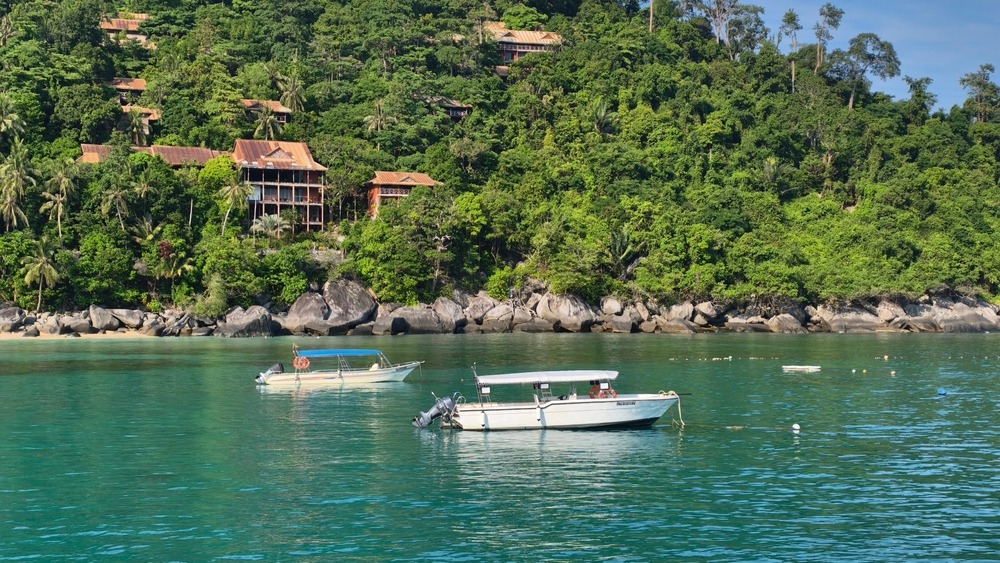
The Tunku Abdul Rahman Marine Park, with its five islands (Manukan, Sapi, Mamutik, Gaya, and Sulug), is a must-visit for water sports enthusiasts. They're ideal for snorkeling, diving, jet skiing, and parasailing, as well as hiking. The crystal-clear waters harbor exceptional marine life.
Other islands also deserve your attention: Mantanani, Pulau Tiga, or the private island of Ara Dinawan. They guarantee equally remarkable experiences in a well-preserved setting.
Watch the sunset
According to the Huffington Post, Kota Kinabalu ranks among the world's eight best places to watch the sunset. Tanjung Aru Beach is an excellent spot to witness the spectacle. You can also embark on a sunset cruise or stay at a beachfront establishment to enjoy it.
Go rafting
Rivers around Kota Kinabalu host several rafting courses suited to different skill levels. The Kiulu River (level 1-2), the longest and most popular, suits beginners, as does the Kadamaian River (level 1-2).
Experienced adventurers will choose the Padas River (level 3-4), the most challenging. A vintage diesel train journey from Beaufort to Pangi completes this unique experience.
Observe proboscis monkeys and fireflies
Wetlands near the city are home to diverse wildlife. Organized cruises on the Klias, Kawa Kawa, or Weston rivers allow you to observe macaques, silvered langurs, and the famous proboscis monkeys, endemic to Borneo.
In the evening, the riverbanks light up thanks to colonies of fireflies, which you can admire from the boat.
Discover Sabah's cultures
Several cultural villages in Kota Kinabalu present the traditions of Borneo's populations. Mari Mari Village will have you participate in rice wine making, blowgun shooting, and traditional fire starting. It also offers performances and Sabahan specialties.
The KDCA is best visited during the Kaamatan festival in May, a major harvest celebration organized by local communities. Walai Tobilung, located in Kampung Minansad, will reveal one of the last preserved examples of Tobilung culture, with traditional houses, ancient paintings, and nearly vanished Bobolian rituals.
Climb Mount Kinabalu
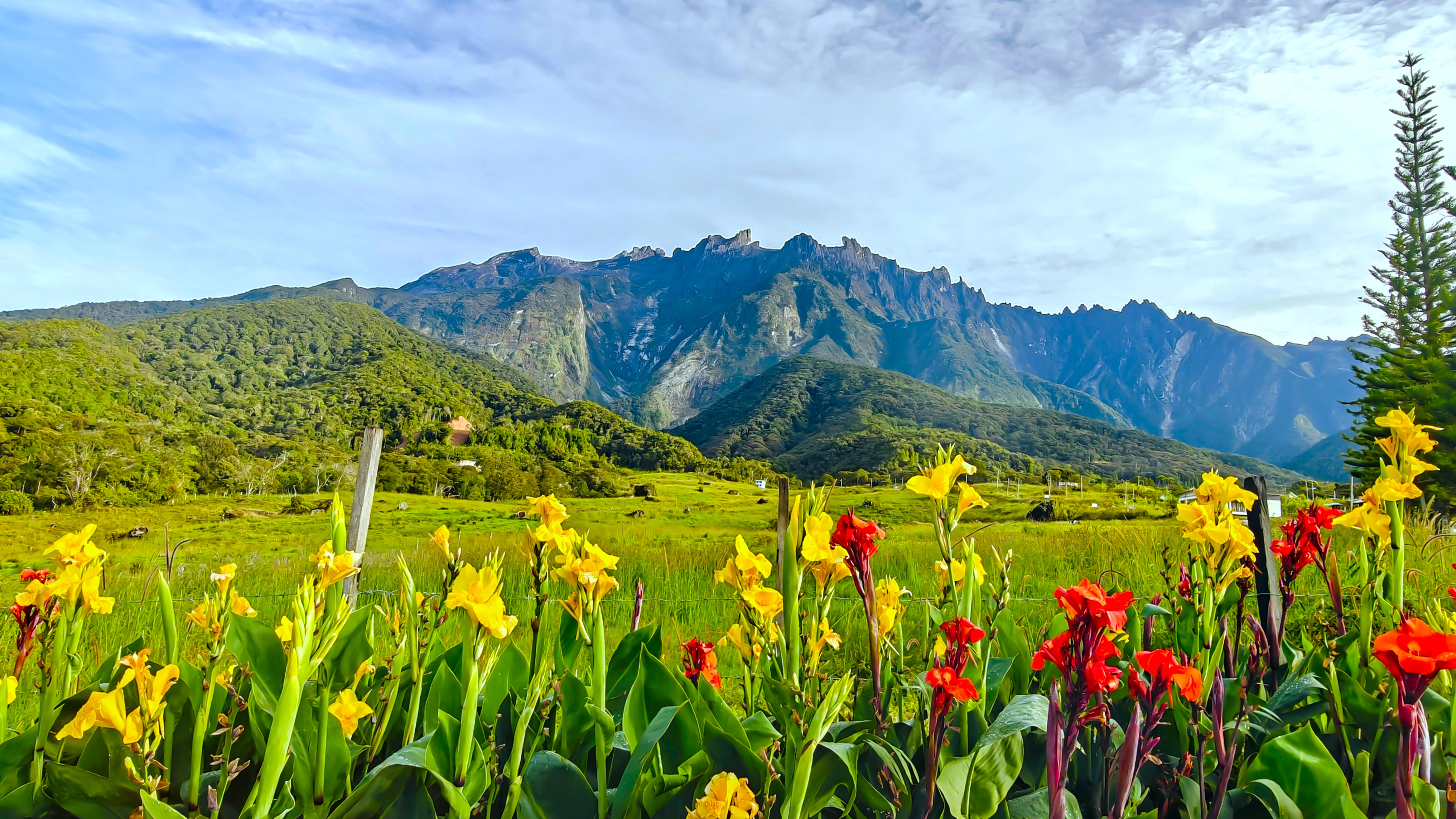
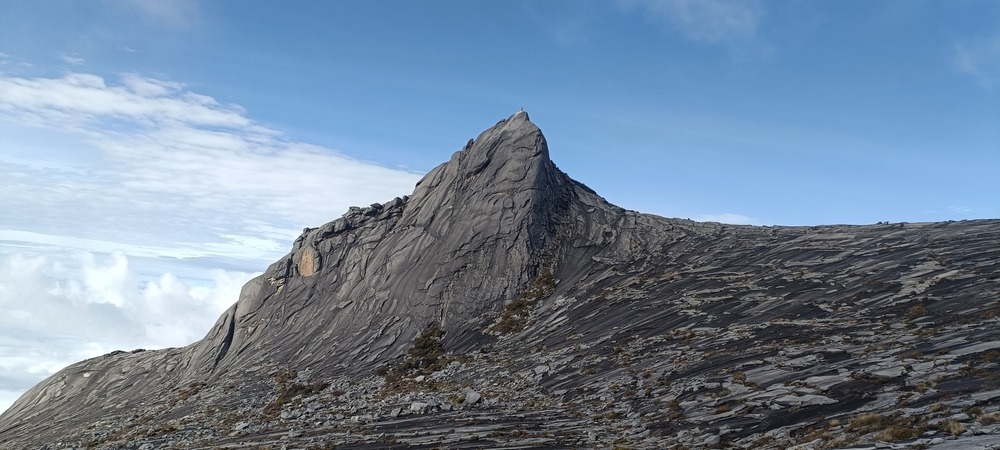
Malaysia's highest peak stands at 4,095.2 meters. The ascent typically requires two days of hiking, with an overnight stop at Panalaban base camp. Experienced climbers can take the Via Ferrata, the world's highest, for the descent via walls equipped with cables and ladders. The view from Low's Peak rewards your effort.
When to visit Kota Kinabalu?
The best time to visit Kota Kinabalu is during the dry season, from March to September, which offers the most stable weather conditions for water sports and hiking.
Kota Kinabalu is the main gateway to Sabah and northern Borneo. Flying is the simplest way to get there. Road and bus connections also exist from nearby towns.
Car or motorcycle rental allows you to explore the region at your own pace. Private drivers are available for customized trips. Shuttles serve Kinabalu National Park, while the islands are accessible by boat from Jesselton Jetty or Sutera Marina.
Accommodation in Kota Kinabalu
See all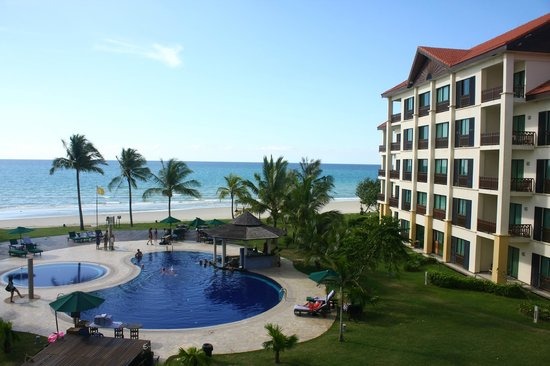
Nexus Resort & Spa Karambunai
Sur la côte de Sabah, à 30 km de Kota Kinabalu, le Nexus Resort & Spa Karambunai déploie 26 hectares en bord de mer avec spa, golf 18 trous et huit restaurants.
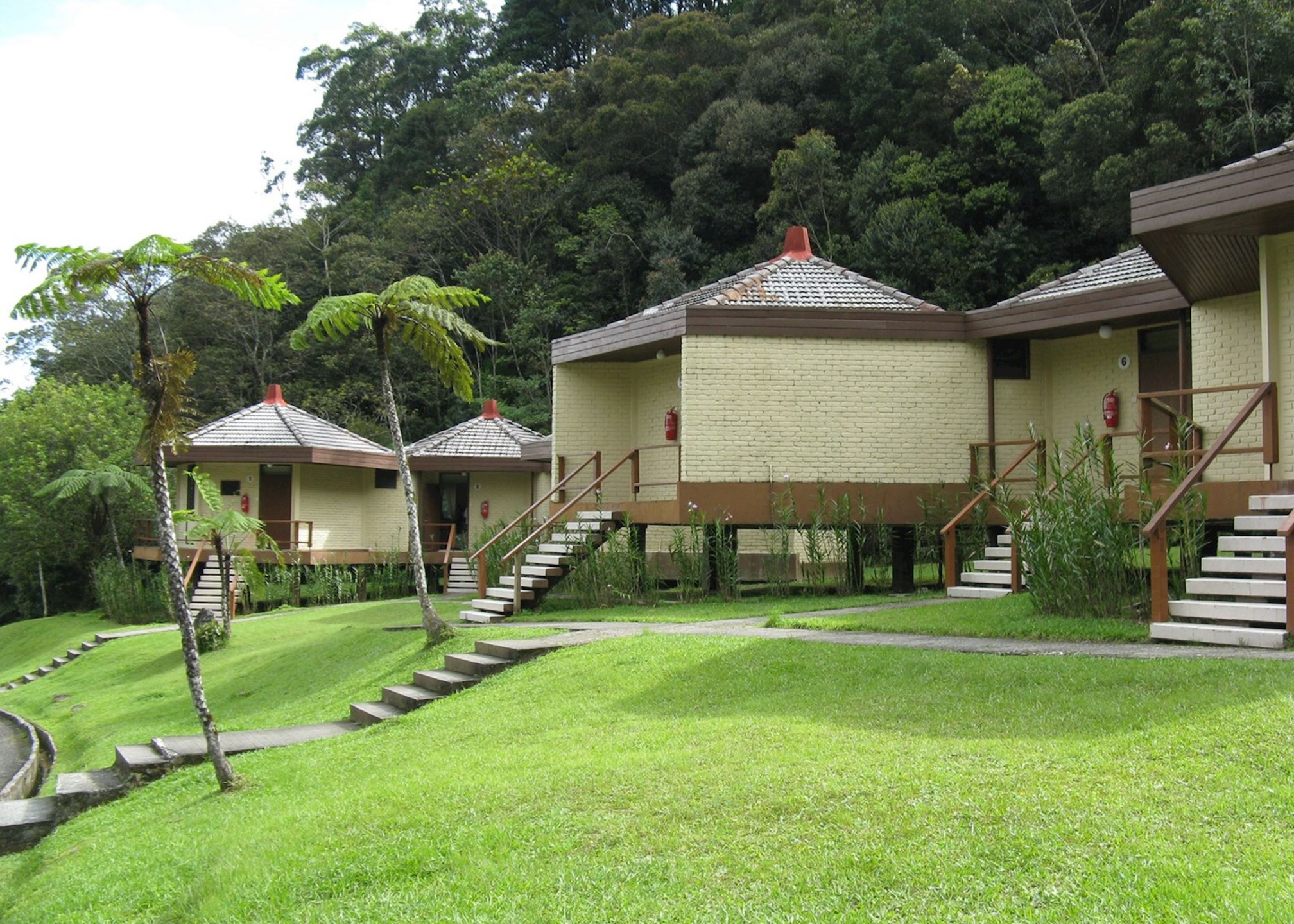
Hill Lodge
Le Hill Lodge propose 10 bungalows chauffés à flanc de colline, dans le parc national de Kinabalu inscrit à l'UNESCO, à 2h de route de Kota Kinabalu.
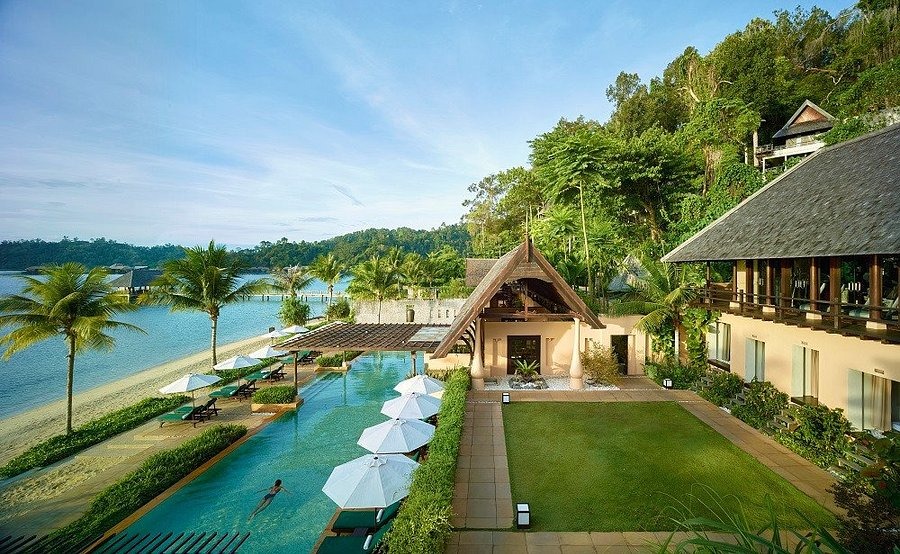
Gaya Island Resort
Resort isolé sur l'île de Gaya, au sein du parc marin Tunku Abdul Rahman, à 30 minutes de Kota Kinabalu. Conservation, forêt tropicale et plages de Bornéo.
Want to discover this destination?
Our local advisors design your tailor-made trip.