Gaya Island
Gaya Island
Dense jungle, coral reefs and secluded beaches just 15 minutes from Kota Kinabalu: Gaya Island, a pristine gem of Tunku Abdul Rahman Marine Park.
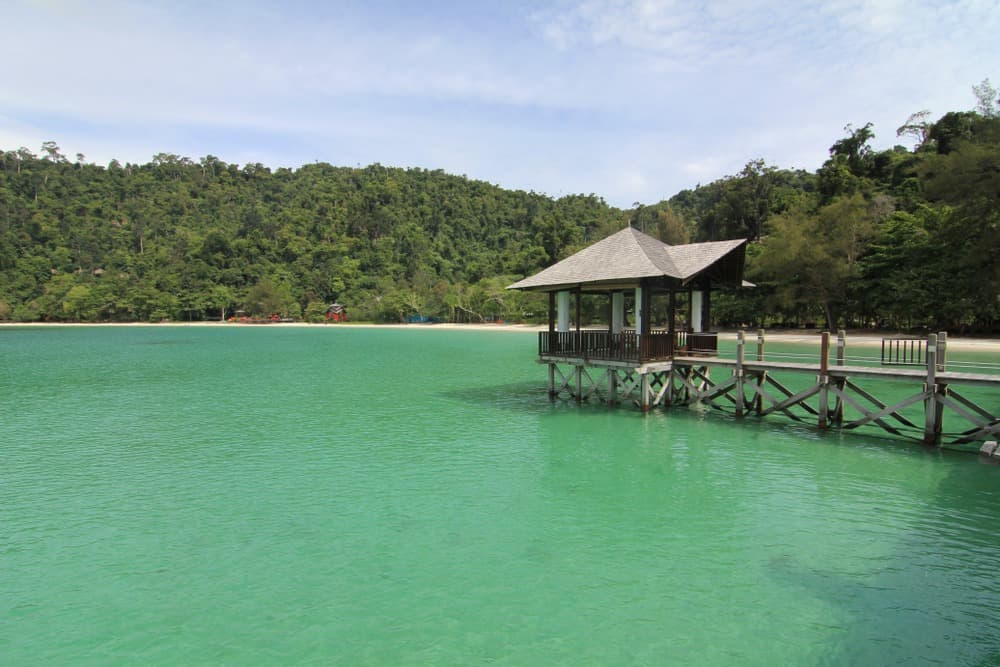
Gaya Island is a magnificent jewel in the Kota Kinabalu district of Sabah State, Malaisie. This island territory of 1,483 hectares sits within the crystalline waters of the South China Sea. It is the largest island in the Tunku Abdul Rahman Marine Park, renowned for its exceptional biodiversity.
History
Gaya Island first came under the influence of the Brunei Sultanate before territorial concessions were granted to Baron von Overbeck in 1877–1878, leading to the creation of the British North Borneo Chartered Company.
In 1882, the BNBCC established a trading post and administrative centre for the collection of raw materials from the west coast. Colonial infrastructure, built from local materials such as nibong and rumbia, included administrative buildings, jetties and shops.
However, the island's development was short-lived due to scarcity of fresh water, infertile soil and shallow waters. In July 1897, a rebellion led by local chief Mat Salleh razed the settlement, which was never rebuilt. This event hastened the founding of Jesselton (present-day Kota Kinabalu) on the mainland in 1899.
The island's status evolved towards conservation in the 20th century. It was classified as a forest reserve in 1923 (under British administration), then incorporated into the Tunku Abdul Rahman National Park (TARP) in 1974.
Gaya Island Today
Gaya Island now presents itself as a multi-faceted territory, blending cutting-edge conservation with complex demographic challenges. It is home to luxury resort complexes while remaining covered by dense tropical forest that rises to 300 metres in altitude.
The current population, estimated at around 30,000 inhabitants in 2024, is composed mainly of migrants who arrived in the 1970s. Only 1,000 residents are descendants of the island's original inhabitants.
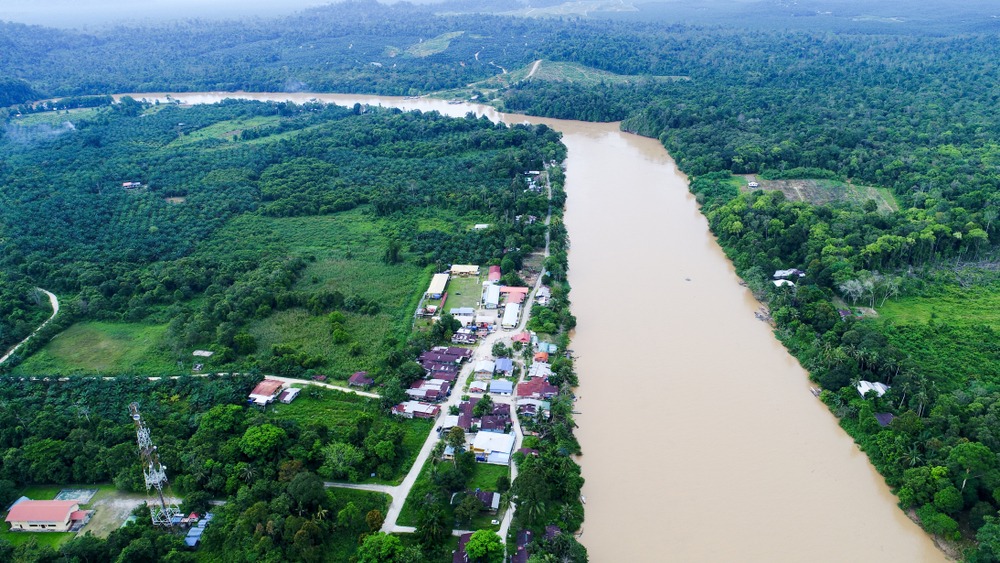
This situation creates a striking contrast between upscale holiday zones and stilt house villages (such as Kampung Lok Urai), considered illegal settlements and facing sanitation, security and waste management challenges.
What to Do on Gaya Island?
Discovering the Island's Marine and Terrestrial Biodiversity
The Marine Ecology Research Centre (MERC), located at Gayana Marine Resort, is an essential stop for marine biology enthusiasts. It is dedicated to coral reef restoration and the protection of seven indigenous species of giant clams. Visitors can learn conservation methods in an interactive setting.
On the terrestrial wildlife side, it is possible to spot proboscis monkeys, long-tailed macaques and Sunda pangolins on the island. The wildlife centre at Gaya Island Resort specifically manages the preservation of proboscis monkeys. You may also encounter Bornean wild boar or monitor lizards during your excursions.
Hiking and Water Activities
Walkers have access to 20 km of hiking trails winding through lush jungle. They lead to the island's ridges and offer opportunities to spot rare birds such as the Philippine megapode or pied hornbill. The pristine forest provides a unique sense of serenity, heightened by the absence of urban noise.
The island's waters appeal to snorkelling and scuba diving enthusiasts. You can admire multicoloured fish, crustaceans and seagrass meadows. The sea also lends itself to kayaking.
Those seeking an adrenaline rush can try the "Coral Flyer" zip-line, which connects Gaya to neighbouring Sapi Island, or attempt parasailing.
Access to the island is exclusively by sea from Kota Kinabalu city. The Jesselton Point Waterfront ferry terminal is the main departure point for transfer boats and resort shuttles. The journey takes approximately 10 to 15 minutes depending on the type of vessel used.
When to Go?
The region's climate suggests a visit between March and June. This period corresponds to the local summer season and guarantees optimal conditions for outdoor activities. Note that this window attracts a large number of tourists, making advance bookings necessary.
FAQ
What is the nearest airport to the island?
The Kota Kinabalu International Airport is the closest airport serving the archipelago.
Can you visit the island in a single day?
A day trip is sufficient to discover the island's main sites, but staying overnight allows you to better immerse yourself in the local atmosphere.
Is it easy to find snorkelling equipment?
You can rent your equipment directly on the island, particularly if you visit the research centres or resort complexes.
Want to discover this destination?
Our local advisors design your tailor-made trip.