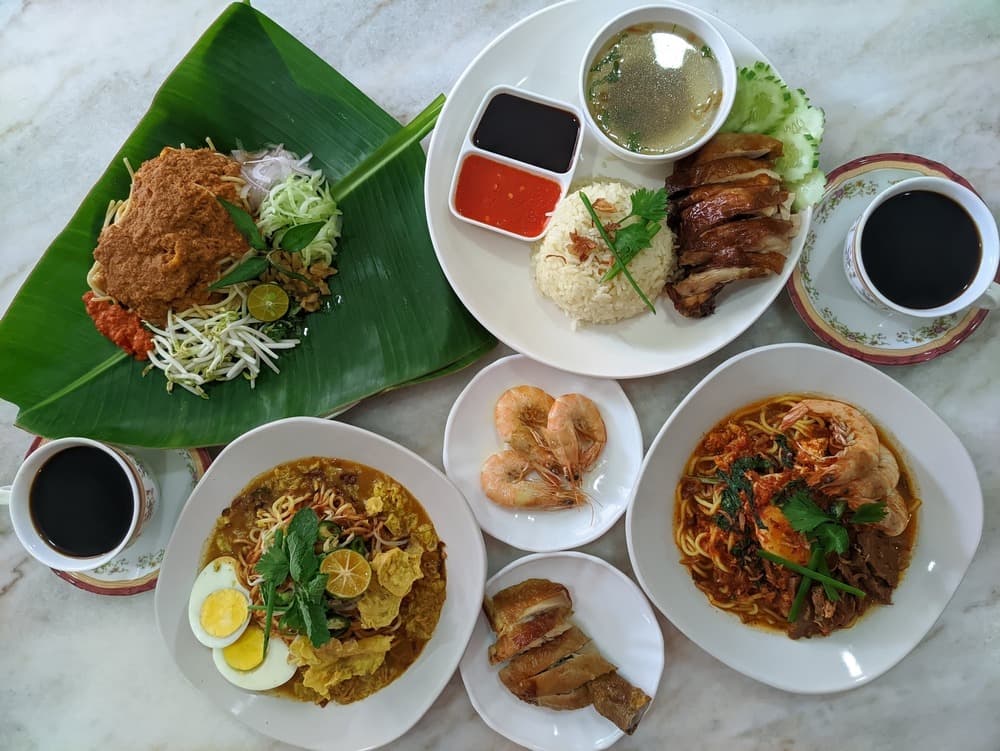
Eating in Malaysia: Specialties and Food Safety
Malaysia is a gastronomic paradise for food lovers. Its cuisine perfectly reflects the richness of its multicultural population, with Chinese, Indian, and Malay influences. Discover the must-try specialties and food safety precautions to enjoy your culinary journey without worry.
Malaysia is a gastronomic paradise for food lovers. Its cuisine perfectly reflects the richness of its multicultural population, with Chinese, Indian, and Malay influences. To make the most of your experience and avoid unwelcome surprises, discover the must-try specialties and the health precautions to adopt during your travels.
Essential Malaysian Dishes
Nasi Lemak
Considered the national dish, nasi lemak consists of rice cooked in coconut milk and pandan leaves, served with hard-boiled eggs, cucumber, and a spicy sambal sauce. It can be enriched with meat or fish depending on the version. Traditionally consumed at breakfast throughout the country.
Roti Canai
A soft flatbread reminiscent of a cross between a crêpe and naan, roti canai is often accompanied by curry made with meat or fish and a glass of teh tarik. Eaten at breakfast, but also at any time of day, it's one of the country's most beloved snacks. Available in small restaurants and street stalls alike.
Char Kway Teow
One of Malaysia's most popular noodle dishes, char kway teow combines flat rice noodles, shrimp, seafood, bean sprouts, eggs, soy sauce, and scallions. Everything is stir-fried over high heat in a Chinese wok. Found in street markets throughout Malaysia.
Nasi Campur
Nasi campur is ideal for sampling several specialties on a single plate. It pairs fragrant rice with an assortment of meats, vegetables, eggs, and other ingredients in small portions. In Langkawi, it's affectionately called "economy rice."
Nasi Dagang
Another essential breakfast dish, nasi dagang is made with fragrant rice steamed in coconut milk, served with meat or fish curry and a topping of crisp vegetables (cucumber or carrots). If you visit Langkawi, the Nasi Dagang Pak Malau restaurant offers one of the island's finest versions, complete with stunning views of rice paddies and limestone formations.
Satay Skewers
Satay skewers rank among the most affordable snacks in Malaysian street food. Meat (pork, beef, or chicken) is marinated in a blend of soy sauce, turmeric, lemongrass, and coriander, then grilled over charcoal. The accompanying spiced peanut sauce is the signature element of these skewers and gives them an unforgettable flavor.
Mee Rebus
Mee rebus is a dish of yellow egg noodles with a thick curry and sweet potato sauce, garnished with shrimp, chili, and scallions. Very popular in Malaysia and Singapore, it's a deeply comforting dish.
Desserts
Malaysian desserts often surprise Western palates. Part beverage, part dessert, they blend ingredients one would never imagine together.
Ice Kacang (or Ais Kacang) is a mountain of shaved ice topped with red beans, jelly, peanuts, fruit pieces, and sweet syrup. Cendol combines shaved ice, palm sugar, coconut milk, and peculiar fluorescent vermicelli. Rojak, meanwhile, is a sweet-and-salty salad of fruits and vegetables enlivened with a sauce made from dried shrimp and chili.
Beverages
Among flagship beverages, teh tarik holds pride of place. It's a sweetened black tea with condensed milk, served hot or cold, with a spectacular preparation ritual: the liquid is poured back and forth between containers to create a frothy head. A true ceremony.
Tea is also very present, particularly thanks to the plantations of the Cameron Highlands, a legacy of British colonization. You'll also find fresh sugarcane juice, refreshing and restorative, and more original beverages like barley water, made from barley, or kat chai suen mui, flavored with a dried plum offering bitter notes.
Baba Nyonya Cuisine
No discussion of Malaysian gastronomy is complete without mentioning Baba Nyonya cuisine, also called Nyonya or Peranakan cuisine. It's the fruit of cultural fusion between the first Chinese migrants who settled in Malaysia (particularly in Malacca and Penang) and the Malay women they married. This blending gave birth to remarkably rich gastronomy.
Nyonya dishes combine traditional Chinese ingredients with Malay spices, prepared in multiple ways: steamed, fried, sautéed, or stir-fried. In Peranakan restaurants, all dishes arrive at the table simultaneously, often arranged around a rotating glass turntable. An experience in itself, far exceeding a simple meal.
Food Safety in Malaysia
Stay Cautious Without Sacrificing Enjoyment
Malaysian gastronomy is first experienced on the streets, in markets, and food courts. But popular cuisine also demands precautions. Digestive troubles (usually minor) are fairly common among travelers, but easily avoidable with a few simple habits.
The golden rule is to wash your hands regularly with soap and water, or with hand sanitizer, especially before each meal.
Tap Water and Beverages
In major Malaysian cities, tap water is often filtered, but prudence recommends opting for sealed bottled water, or water treated by boiling or disinfection tablets.
Also be careful about ice in drinks. Accept it only if you're certain it was prepared with potable water, which isn't always guaranteed in small establishments.
Industrial beverages, fresh fruit juices in bottles, or drinks served in sealed containers are the safest options.
For children, use potable water even for tooth brushing to avoid any risk of ingesting contaminated water.
Basic Rules for Safe Eating
For hot dishes, ensure they're served piping hot, ideally above 60°C. Avoid dishes left in the open for several hours, particularly in buffets, even those in upscale hotels.
Raw fruits and vegetables should be washed in treated water and peeled before consumption. Regarding artisanal ice cream, it's better to abstain if you can't ensure proper cold chain management.
Meat, fish, and eggs must be thoroughly cooked. Avoid raw milk and cheeses made from unpasteurized milk.
Specific Risks to Know About
Certain waterborne diseases are present in Malaysia. Hepatitis A is considered "fairly common" in the country, and typhoid is endemic-epidemic. Amebiasis is present, particularly in rural areas. These risks are largely preventable through appropriate vaccinations.
Before departure, it's strongly recommended to consult a doctor or travel medicine clinic to review your vaccinations, particularly against hepatitis A and typhoid.
If Digestive Problems Occur
If you experience temporary diarrhea, proper hydration and rest generally suffice. However, consult a doctor promptly if symptoms persist, if they're accompanied by fever, or if you notice blood in your stool.