Sepilok
Sepilok
Sepilok, in Sabah, is home to the world's first orangutan rehabilitation centre and a canopy walkway suspended 25 metres above the forest floor. Here's what you need to know.
Sepilok is a small locality surrounded by tropical rainforest, located approximately 26 km from Sandakan in Sabah State, on the island of Borneo. Like Sandakan, it serves as a base for exploring the region's renowned attractions: the Orangutan Rehabilitation Centre and the Bornean Sun Bear Conservation Centre. While Sandakan offers a wide range of accommodation options, Sepilok's lodging is more limited. However, it stands out for its proximity to these conservation centres.
What to See and Do in Sepilok?
The Sepilok Orangutan Rehabilitation Centre
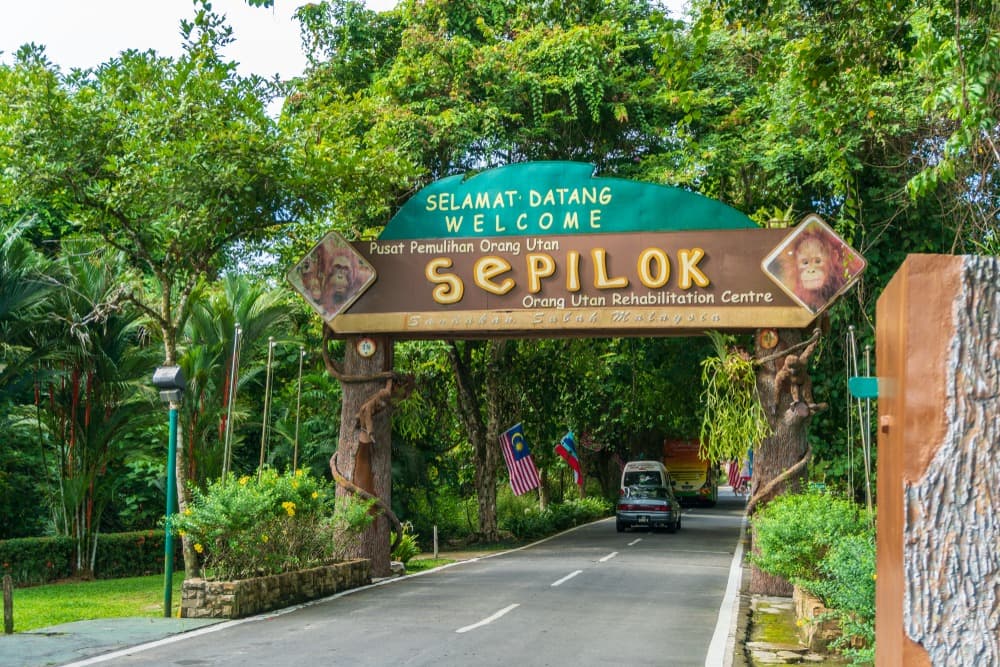
The Orangutan Rehabilitation Centre is undoubtedly the most popular site for tourists visiting this region. Founded in 1964, it was the world's first official orangutan rehabilitation project. Its mission is to welcome young orphaned individuals or trafficking victims, gradually preparing them for a return to the wild.
The centre sprawls across the Sepilok-Kabili Forest Reserve, covering 43 km² of primary rainforest. Between 60 and 80 orangutans now live freely in this environment, while others, still too young, receive care in dedicated facilities.
Visits begin in an information area devoted to how the programme operates. Boardwalks then allow you to move through the forest without disturbing the animals. Sightings depend on the orangutans' movements, which remain entirely free.
A section dedicated to the outdoor nursery also offers views of young individuals practising climbing and moving about before becoming independent.
The Bornean Sun Bear Conservation Centre
In the immediate vicinity lies the conservation centre for sun bears, the world's smallest bear species. This facility welcomes animals rescued from captivity or unsuitable living conditions.
Opened in 2008, the site now houses around forty individuals. Its mission combines rehabilitation, scientific research, and raising awareness about species protection.
Visits take place along elevated boardwalks and observation platforms. You can watch the bears foraging, climbing trees, or resting in their natural habitat. Educational panels detail their role in the ecosystem and the threats to their survival.
The surrounding forest is also home to other species, such as macaques, civets, and various tropical birds.
The Rainforest Discovery Centre
Beyond these two conservation centres, the Rainforest Discovery Centre is another site worth exploring during your stay in Sepilok. Also located within the Kabili-Sepilok Reserve, this environmental education centre showcases Borneo's exceptional biodiversity.
A suspended walkway spanning 620 metres crosses the canopy at 25 metres above ground. This route offers a unique perspective on the forest and facilitates bird watching. Forest trails allow you to continue your visit at ground level.
The site also features a botanical garden displaying orchids, carnivorous plants, and species used in traditional medicine. Night excursions, highly popular, allow visitors to observe animals active after dark, such as flying squirrels, civets, and certain reptiles.
The Labuk Bay Proboscis Monkey Sanctuary
Often included in organised excursions in the region, this site is also worth a visit. Located approximately 22 km (less than 30 minutes) from Sepilok, it is dedicated to the proboscis monkey, recognisable by its distinctive nose. Other animals such as wild boar and flying squirrels can also be spotted during night visits.
The most economical way to travel from Sandakan is by bus linking the two localities. This service offers morning departures from the city and late afternoon returns.
Grab remains the most convenient option for tourists. Some lodges also organise private transfers from Sandakan airport.
When to Visit?
The dry season, running from March to October, is the most favourable period to visit Sepilok. The climate remains warm and humid throughout the year, with showers possible even during the most stable months.
Certain periods increase your chances of spotting orangutans at the rehabilitation centre. The months of March, April, September, and October generally offer the best conditions. In May and June, animals find more food in the forest and venture less towards observation areas.
July and August are also good for orangutan watching, but correspond to peak tourist season.
Where to Stay in Sepilok?
As mentioned above, Sepilok has fewer accommodation options compared to Sandakan. This limited capacity makes advance booking advisable, particularly during high season.
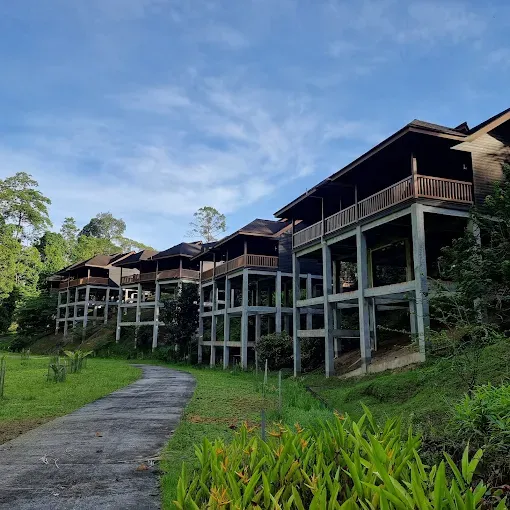
The offering includes private rooms, simple lodgings, and dormitories for budget-conscious travellers. Several establishments are located immediately near the conservation centres or on the forest edge, in a quiet, natural setting.
Many visitors choose to stay in Sandakan and visit the conservation centres for the day due to the wider range of accommodation available in the city.
How Many Days Do You Need to Visit Sepilok?
Two days on site allows you to discover the main attractions at a comfortable pace. A day trip from Sandakan is possible, but the itinerary will be more condensed.
Attractions in Sepilok
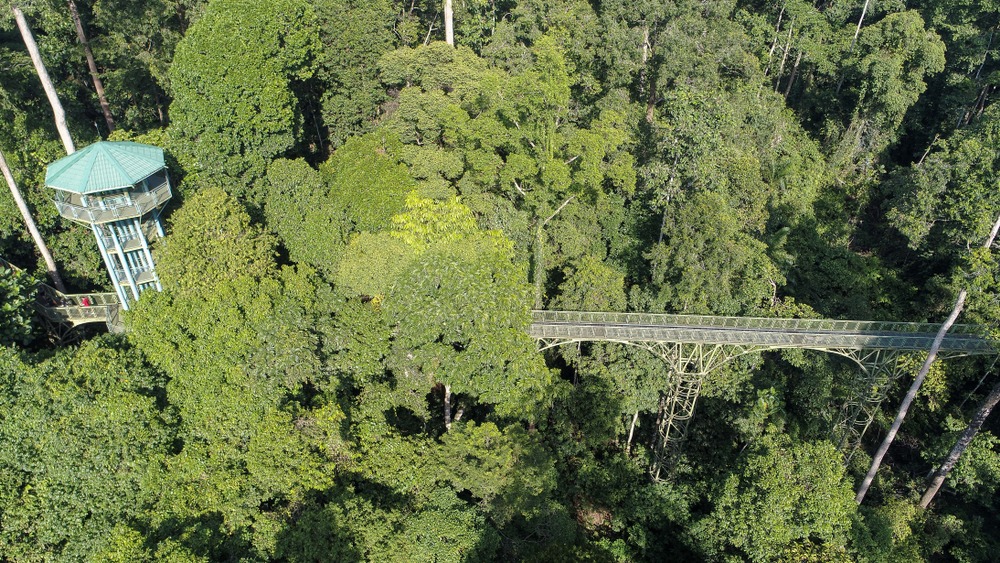
Rainforest Discovery Centre
À Sepilok, le Rainforest Discovery Centre conjugue passerelle dans la canopée, sentiers forestiers, lac et observation des oiseaux dans la forêt de Kabili-Sepilok.
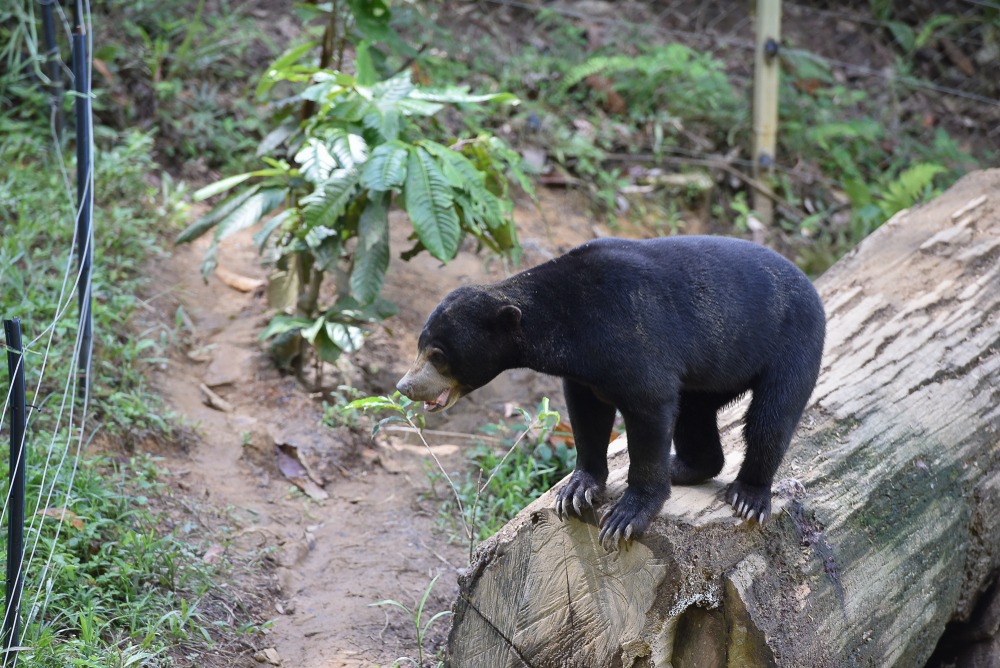
Bornean Sun Bear Conservation Centre
À Sepilok, le Bornean Sun Bear Conservation Centre réhabilite l'ours malais, plus petite espèce d'ours au monde, dans la forêt tropicale de Sabah.
Accommodation in Sepilok
Want to discover this destination?
Our local advisors design your tailor-made trip.