Cameron Highlands
Cameron Highlands
Set at 1,500 meters elevation, Cameron Highlands unveils verdant tea plantations, lush mossy forest, and colonial heritage midway between Kuala Lumpur and Penang.
The Cameron Highlands are a region within the Titiwangsa mountain range. Distinguished by their flourishing tea plantations, they stand apart from other regions in Malaisie by their cool climate. This district in Pahang state offers a landscape unlike any other in the country.
History
The story of Cameron Highlands begins in 1885, when William Cameron, a Scottish geologist and explorer, charts the frontier region between Pahang and Perak for the colonial government. In his reports, he describes an exceptional territory: gentle slopes and plateaus that contrast sharply with the rugged topography of surrounding mountains.
The area falls into obscurity until Sir George Maxwell's visit in 1925. After nine days of exploration, he compares the zone to Nuwara Eliya in Sri Lanka and Baguio in the Philippines. His conclusion is unequivocal: the site must become a highland climate station.
Transformation accelerates rapidly. An experimental agricultural station is established that same year on Mount Beremban to test the cultivation of tea, coffee, and vegetables. The encouraging results convince British authorities to launch an ambitious project: construction of a three-million-dollar road connecting Tapah to the highlands.
The opening of this access route transforms Cameron Highlands. The British settle, followed by tea planters and market gardeners. By the mid-1930s, the region boasts a golf course, cottages, guesthouses, a police station, and several plantations. This development is interrupted, however, during the Japanese Occupation (between 1942 and 1945) and the communist insurgency (until 1960).
Cameron Highlands Today
The Cameron Highlands span 712 square kilometers and constitute Pahang's smallest district. Perched between 800 and 1,603 meters elevation, these highlands today host 8 villages distributed across three sub-districts: Ringlet, Tanah Rata, and Ulu Telom.
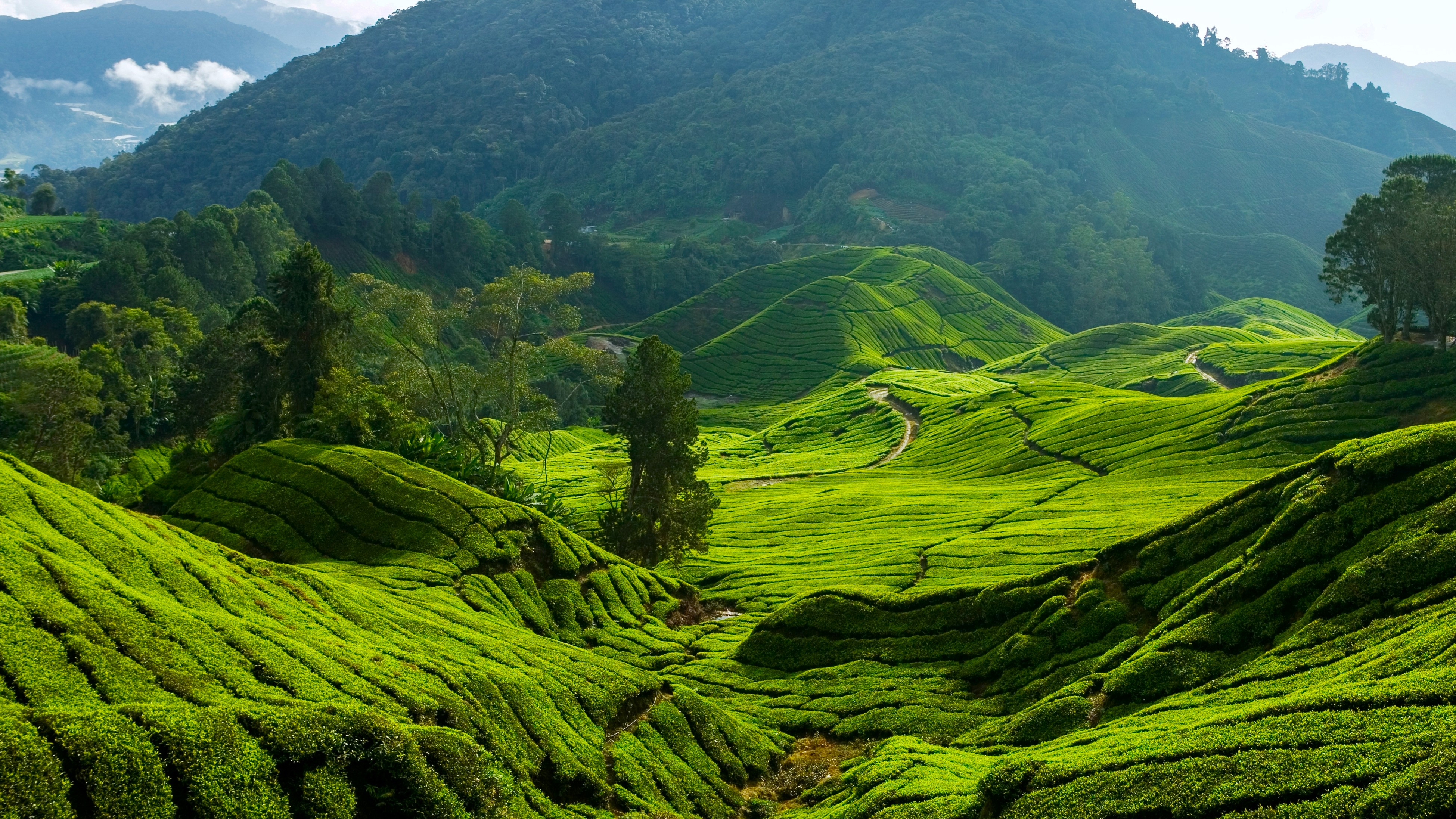
The district is far more than a simple tourist destination. It is the heart of Malaysian tea and vegetable production. Terraced plantations create spectacular landscapes that attract visitors from around the world.
Despite its development, the region maintains 71% forest cover. Mountains dominate the horizon. Three river systems drain the highlands, with 123 tributaries feeding the Pahang and Perak rivers. This hydrological richness contributes to the district's unique ecosystem.
Biodiversity is remarkable. Over 700 plant species have been documented in this region. Certain rare animal species, such as the Sumatran serow and the mountain Argus pheasant, also find refuge in these forests, protected since 1962.
What to Do in Cameron Highlands?
1. Explore Tea Plantations
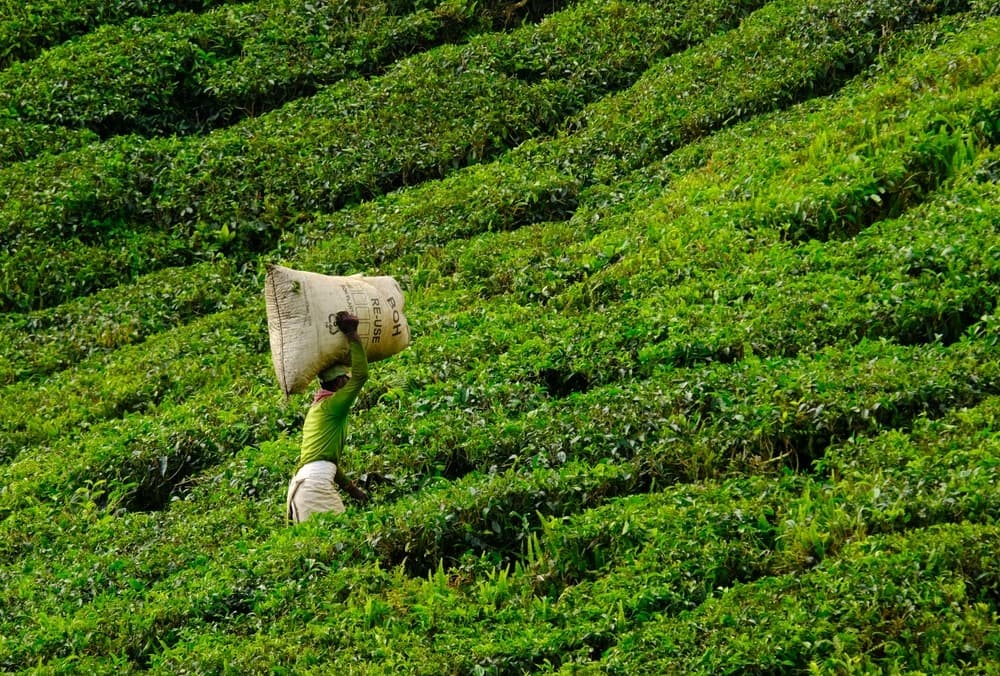
Tea plantations are the soul of Cameron Highlands. The BOH Sungei Palas plantation, the most famous in the region, welcomes you amid rolling hills covered with tea bushes. You can walk among the rows of tea plants and admire the meticulous work of the tea pickers. The plantation's viewpoint, perched at height, offers magnificent views across the plantations.
2. Visit Mossy Forest
Mossy Forest is composed of trees draped in thick moss, nourished by the permanent humidity of the place. The forest also shelters giant ferns and wild orchids.
4. Hiking
Several trails depart from Tanah Rata and wind through the forests. Some routes last several hours and traverse varied sites (waterfalls, villages, viewpoints, etc.).
5. Pick Strawberries
Strawberry farms dot Cameron Highlands. Strawberries, cultivated at height thanks to the cool climate, develop a sweet flavor.
6. Visit Lavender Garden
These lavender gardens create a soothing visual spectacle with their purple rows. The characteristic aroma perfumes the atmosphere.
7. Discover Waterfalls
Robinson Falls and Lata Iskandar are reached after hiking. The trails leading to these cascades traverse lush vegetation. These are peaceful sites, less crowded than the plantations.
From Kuala Lumpur, direct buses reach Tanah Rata in approximately 3.5 hours. They depart from Bersepadu Selatan terminal with several companies, including Unititi. Connections also exist from Penang, with a travel time of 3 hours. Tanah Rata is the ideal base for exploring the region, as it provides access to hiking trails.
Local taxis and buses serve the villages, notably connecting Tanah Rata to Brinchang. To visit major sites in a single day, organized excursions are a practical solution. For greater independence, rent a car or scooter. Be cautious, however, on the winding mountain roads.
When to Go?
The best period to explore Cameron Highlands runs from February to July, when rainfall decreases. Average temperature hovers around 20°C, with cool mornings and evenings at 15°C.
FAQ
How long do you need to visit Cameron Highlands?
Two to three days are sufficient to discover the essential sites: tea plantations, Mossy Forest, and local markets.
Should you book accommodations in advance?
During weekends and school holidays, booking is recommended. On weekdays, you'll easily find lodging locally, especially in Tanah Rata.
Can you hike without a guide?
Main trails are accessible without a guide. For longer hikes or off-the-beaten-path explorations, a local guide brings safety and knowledge about local flora.
Are there ATMs available?
Tanah Rata and Brinchang have ATMs. Smaller villages accept primarily cash, so plan accordingly.
Attractions in Cameron Highlands
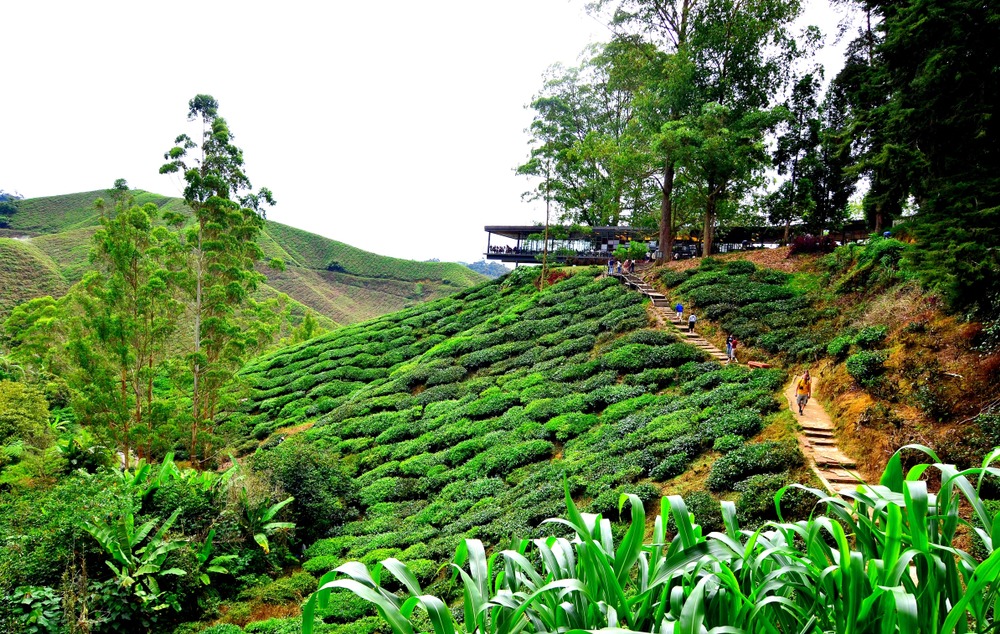
BOH Tea Centre (Sungei Palas Garden)
Belvédère et centre d'accueil de la plantation BOH Sungei Palas dans les Cameron Highlands : panorama, visite d'usine gratuite et cafés en surplomb des théiers.
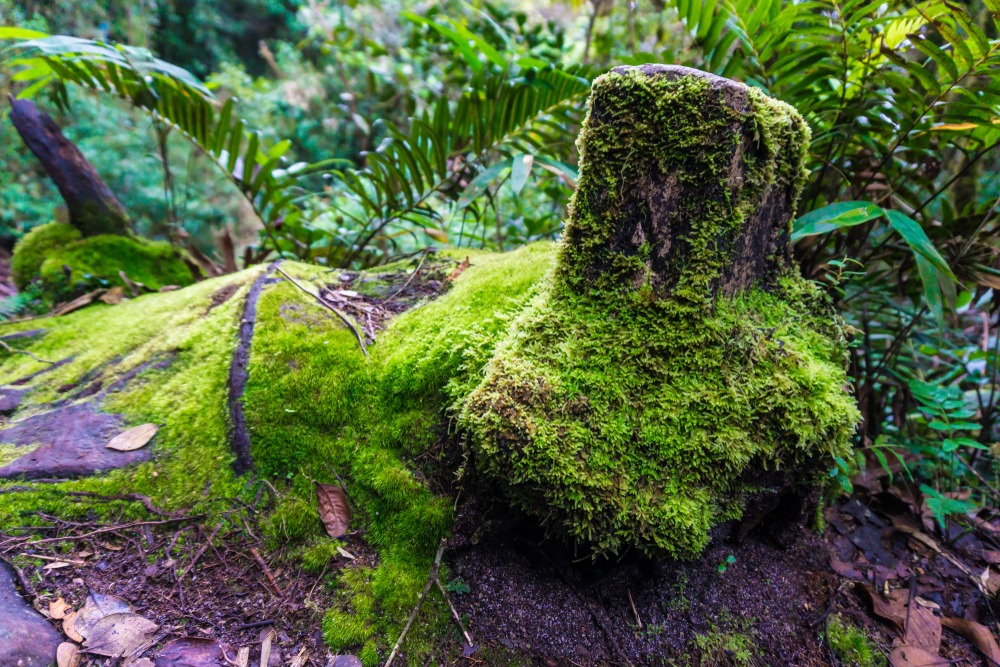
Mossy Forest
Forêt nuageuse perchée à 2 032 m sur le mont Brinchang, dans les Cameron Highlands : passerelle en bois, tour d'observation et végétation rare.
Accommodation in Cameron Highlands
Want to discover this destination?
Our local advisors design your tailor-made trip.