Sam Poh Tong Temple
Sam Poh Tong Temple
Buddhist cave temple of Gunung Rapat, 5 km south of Ipoh. Prayer hall in a limestone grotto, gardens, European-style pagoda and turtle enclosure.
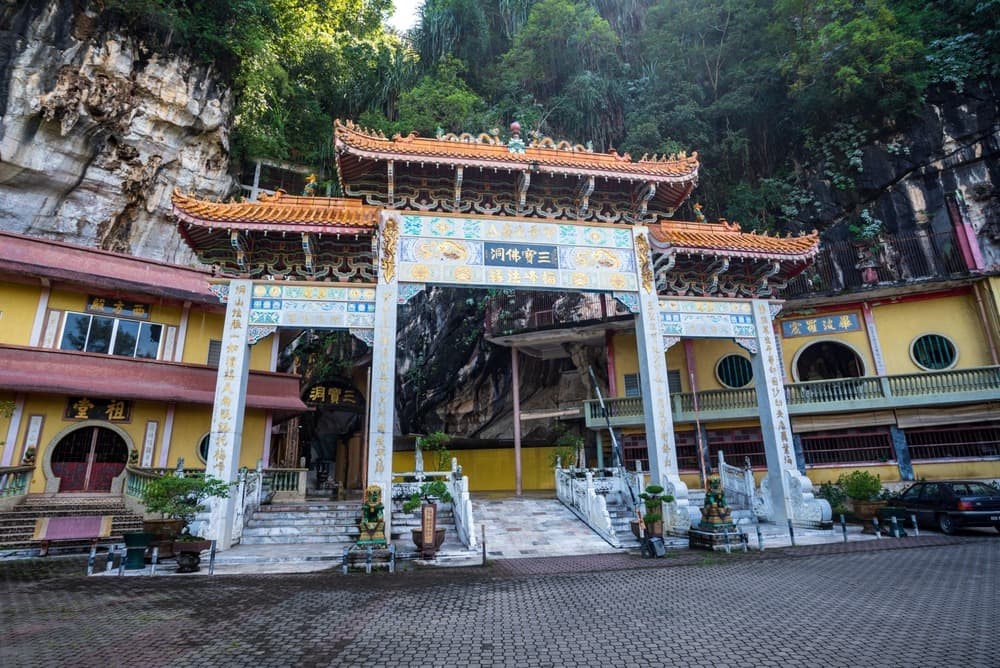
Sam Poh Tong Temple is one of Ipoh's oldest cave temples, located in Perak State. This Mahayana Buddhist sanctuary, nestled within a limestone cave at Gunung Rapat, blends Sino-European architecture, gardens, ponds and turtle enclosures. The site remains an active place of worship, frequented by both devotees and visitors alike.
Why visit Sam Poh Tong Temple
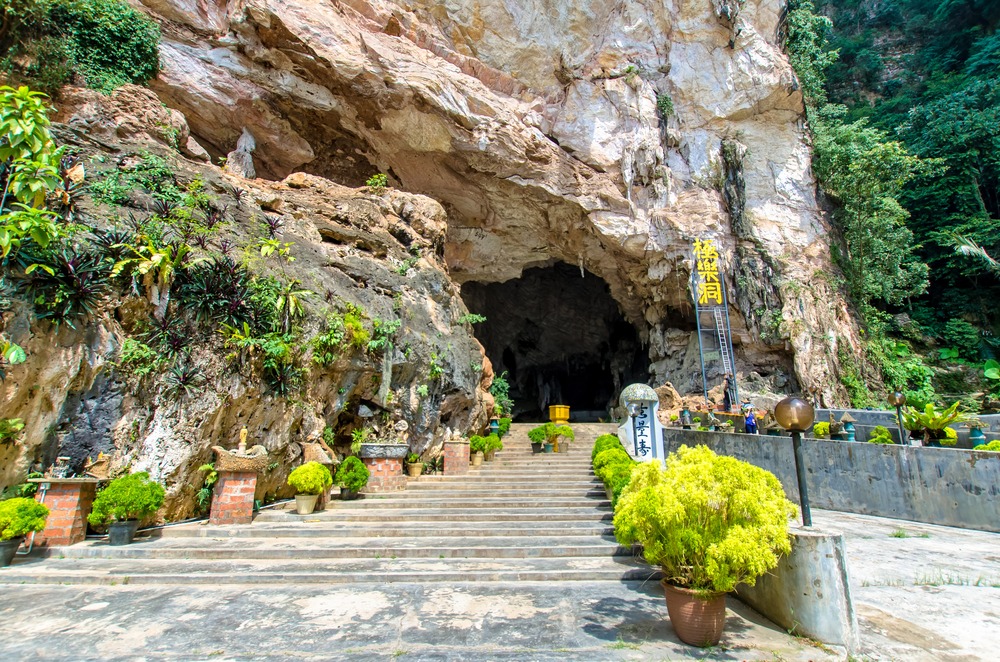
The temple warrants a visit for three compelling reasons. First, its age: occupation dates back to 1890, making it one of the region's oldest cave temples. Second, its geological setting: the prayer hall opens directly into the limestone rock, unadorned, with raw ceiling visible throughout. Finally, its syncretic character: rock paintings still present testify to a blend of Buddhism, Taoism and Hinduism, rarely found in a single location.
The site can be explored in 1 to 1.5 hours depending on your interest in the rear gardens and turtle enclosure. It pairs well with a day devoted to the cave temples around Ipoh.
A history beginning in 1890
The temple's origins trace back to the late 19th century. In 1890, a monk from China traveling the region on foot discovered this limestone cave at the foot of Gunung Rapat. He chose it as his meditation site and lived there until his death. Other monks and nuns continued this spiritual occupation afterward.
It was not until the 1950s that the site was truly developed as a temple, with the construction of the prayer hall, arches and exterior gardens. The cave retains its raw character nonetheless.
Rock paintings have been identified within the cave. They blend references to Buddhism, Taoism and Hinduism, with figures attributed to Hindu deities such as Vishnu and Parvati. This syncretism reflects the region's history, where Chinese, Indian and Malay communities long coexisted.
What to see
The entrance garden
Arrival is through an exterior marble wall, an uncommon material for this type of site. The enclosure houses a fish pond decorated with figurines, then a large intricately carved arch marking the entrance to the prayer hall.
The cave prayer hall
Inside the grotto, limestone rock remains visible on the ceiling in its raw state. The walls bear no mural decoration, contrasting with other cave temples in the region such as Kek Lok Tong Temple or Perak Tong Cave Temple. A counter allows you to purchase food for the fish and turtles. Caution: humidity makes the marble slabs slippery—walk carefully.
The natural wind tunnel
Upon exiting the prayer hall, a short natural passage connects the two garden spaces. A steady cool breeze flows through it, due to the cave's configuration.
The rear garden and pagoda
Beyond the tunnel, a second, less ornate green space houses a pagoda and European-style fountain. Access to the building is restricted, but the ensemble formed by the architecture and vegetation remains pleasant, especially in the mid-afternoon.
The turtle enclosure
The complex includes an enclosure sheltering numerous turtles, observable from the railings. You can feed them with tomatoes purchased at the interior counter.
Practical information
- Admission: free. A donation is recommended to support site maintenance.
- Additional activities: modest fees for a packet of fish food or a bowl of tomatoes for the turtles (a few ringgits).
- Dress code: cover shoulders and knees out of respect for the place of worship.
- To bring: mosquito repellent, particularly useful in the rear garden where they are frequent.
- Duration of visit: 1 to 1.5 hours.
When to visit
The temple opens from morning until late afternoon. Morning remains the best time for a visit: more bearable temperatures, gentle light on the marble wall and reduced crowds. By midday, heat and humidity become oppressive, particularly in the gardens.
Avoid Chinese New Year and Ching Ming periods if you wish to visit in peace: the site experiences heavy devotee traffic during these times, and temporary paid parking is set up in a field opposite the temple.
How to get there
The temple is located in Gunung Rapat, approximately 5 km south of Ipoh's city center. Navigation apps guide you effortlessly to the entrance.
- By car: free parking along the road in normal times. Temporary paid parking during festive periods.
- By taxi or ride-hailing service: the simplest option from central Ipoh, expect about ten minutes travel time.
- By bus: public lines serve Gunung Rapat, but frequencies and stops are inconvenient for passing visitors.
Nearby
Sam Poh Tong fits into a circuit of cave temples easy to combine over half a day:
- Kek Lok Tong Temple: another Gunung Rapat cave temple, more richly decorated, with a large landscaped garden to the rear.
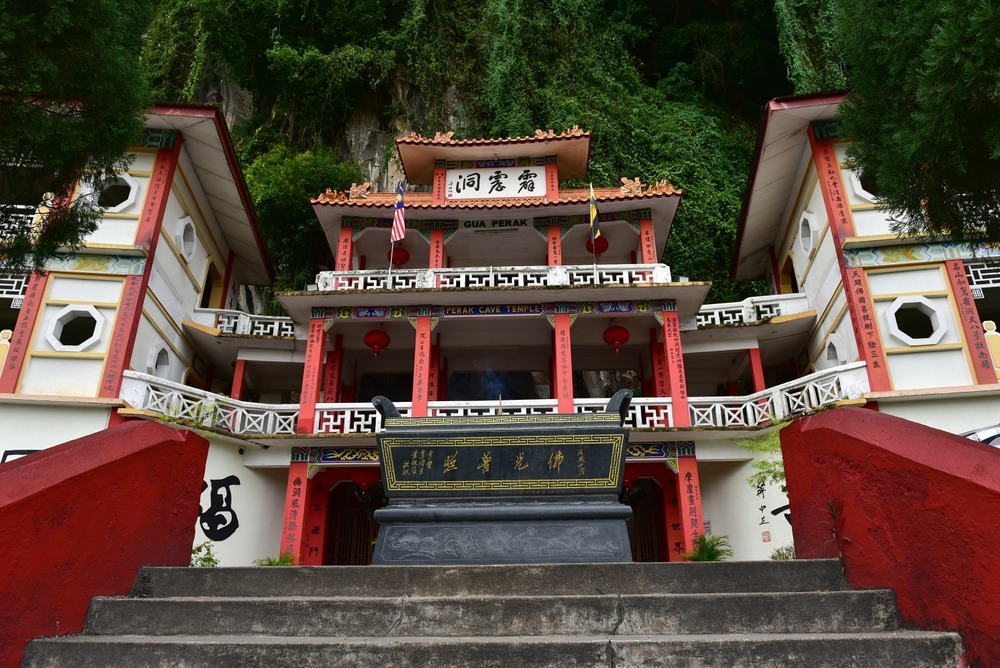
- Perak Tong Cave Temple: located north of Ipoh, known for its murals and viewpoint after climbing approximately 450 steps.
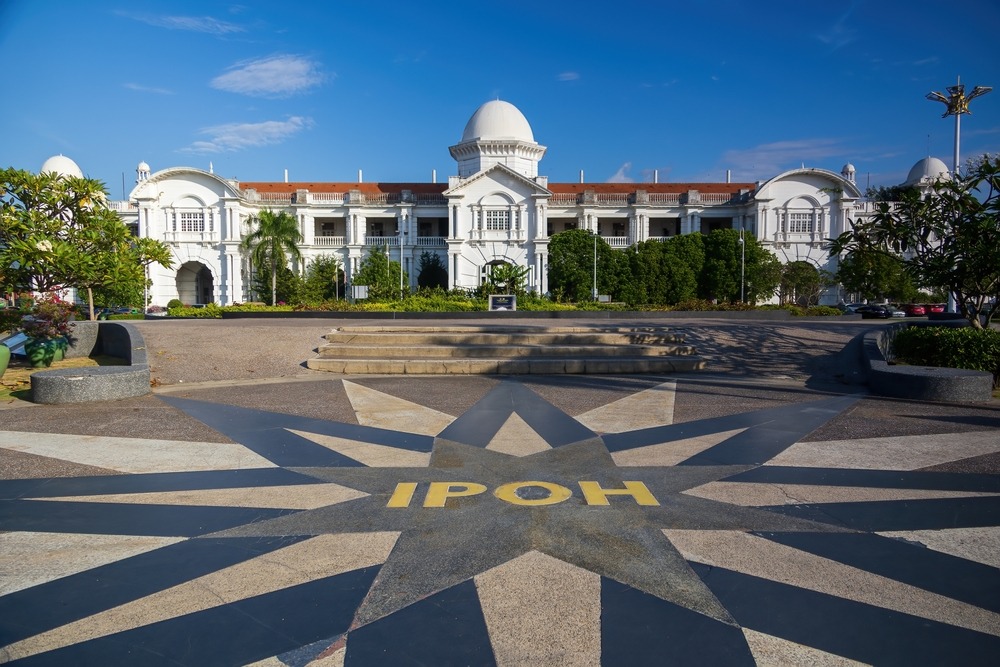
- Ipoh: city center to explore for its colonial architecture, street art murals and cuisine.
Frequently asked questions
Frequently asked questions
No, admission is free. A donation is recommended to support site maintenance. A few ringgits are requested for fish and turtle food if you wish to participate.
Allow 1 to 1.5 hours to explore the entrance garden, cave prayer hall, wind tunnel, rear garden and turtle enclosure.
Morning is more pleasant: cooler temperatures, soft light and smaller crowds. The afternoon remains possible but humidity and mosquitoes become more prominent in the rear garden.
The simplest option is by taxi or ride-hailing service, for about ten minutes travel (5 km south, in Gunung Rapat). In a private car, parking along the road is free outside festive periods.
Attire covering shoulders and knees is recommended, as the site is an active place of worship. Choose shoes with good grip: the prayer hall's marble slabs become slippery with humidity.
Yes. Kek Lok Tong is a few minutes drive away, in the same Gunung Rapat area. Perak Tong, north of Ipoh, rounds out the circuit well for those interested in Perak's cave temples.
Learn more
Sam Poh Tong Temple is among the natural stops on an Ipoh stay, a pivotal city between Kuala Lumpur and Penang. To integrate this visit into a broader itinerary, consult our Malaysia travel experiences and their suggestions for Perak State.
Interested in this visit?
We can include it in your personalised itinerary.