Kinabalu National Park
Kinabalu National Park
On the island of Borneo, Kinabalu National Park protects Mount Kinabalu (4,095 m) and UNESCO-listed biodiversity, 88 km from Kota Kinabalu.
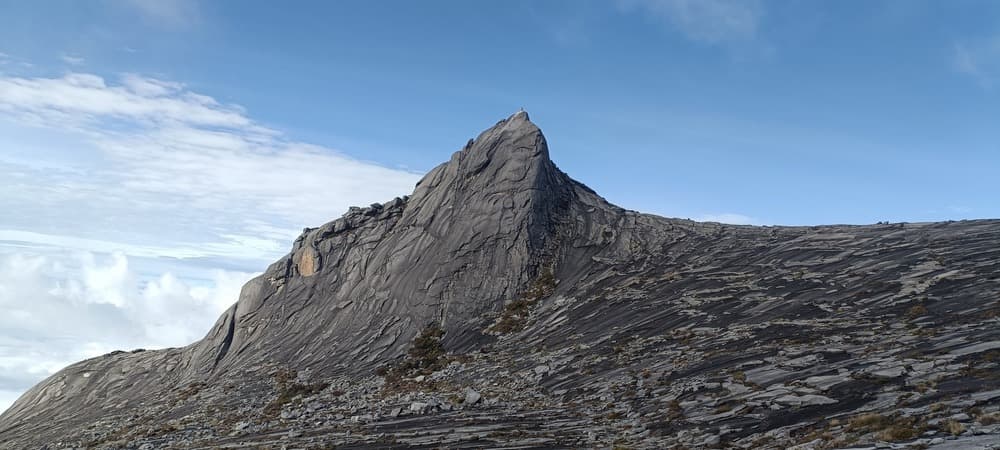
On the island of Borneo, in the Malaysian state of Sabah, Kinabalu National Park protects a granite massif dominated by Mount Kinabalu, which rises to 4,095.2 metres. Across 754 square kilometres, it is home to more than 4,500 species of flora and fauna spread across four climate zones. Malaysia's first UNESCO World Heritage Site, inscribed in 2000, it was also designated a UNESCO Global Geopark in 2023.
Why visit Kinabalu National Park
The park combines three attractions rarely found together: a summit accessible to hikers in good condition, biodiversity among the densest in Southeast Asia, and remarkable geology. Mount Kinabalu, formed 10 to 35 million years ago, ranks among the youngest non-volcanic mountains on the planet and continues to rise by 5 millimetres per year.
The site suits both a short visit around headquarters and a demanding two-day ascent. Enthusiasts of carnivorous plants, orchids and birdwatching will find species found nowhere else, such as Nepenthes rajah, the giant earthworm of Kinabalu or the giant red leech of Kinabalu.
Park history
British explorer Hugh Low leads the first documented expedition to the mountain in 1851 and reaches the summit, whose highest point — Low's Peak — bears his name today.
The region is officially established as a national park in 1964, in a logic of preserving biodiversity and geological formations. In December 2000, it becomes Malaysia's first site inscribed on the UNESCO World Heritage List. Recognition extends in 2023 with its designation as a UNESCO Global Geopark, which highlights its geological uniqueness.
What to see and do
Climbing Mount Kinabalu
Climbing remains the flagship activity. The classic route takes place over two days and one night, with accommodation at altitude before the final summit push at night. Accompaniment by an accredited mountain guide is mandatory and the number of permits is strictly capped each day. It's best to book several weeks in advance, particularly during high season. Good physical condition and preparation of around one month before departure are recommended.
Trails around headquarters
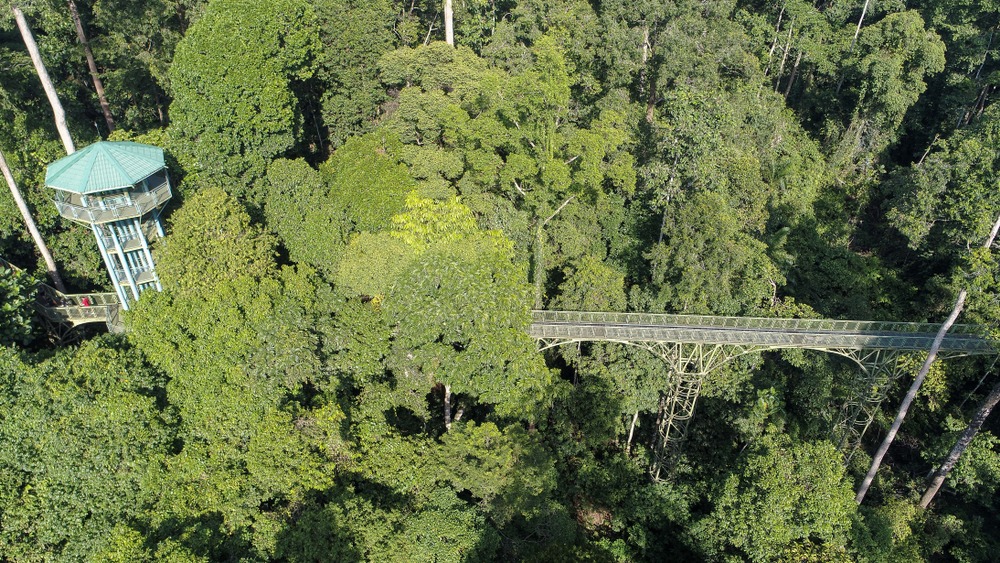
For visitors who don't climb, nine hiking trails crisscross the park headquarters area. Their duration ranges from 20 minutes to 3 hours and allows you to traverse the mountain forest at your own pace. Park naturalists offer guided walks that help identify local flora and fauna.
Botanical garden and Poring orchids
The park's botanical garden brings together a selection of plants endemic to Borneo, and the Poring Orchid Conservation Centre allows you to encounter species rarely visible in their natural habitat. Botany enthusiasts easily spend a half-day there.
Poring hot springs
At the park's edge, the Poring hot springs offer sulphurous baths in a forest setting. The area is also suited to camping in tropical rainforest and offers a relaxing complement after a day of hiking.
Kundasang War Memorial and golf
Nearby, the Kundasang War Memorial honours British and Australian soldiers who died during the Second World War, through four thematic gardens. Golfers can head to the Kinabalu Golf Course, an 18-hole course that claims the status of Malaysia's highest golf course.
When to go
The park can be visited year-round, but mountain climate remains unpredictable: showers possible at any time and cool temperatures at altitude (near freezing at the summit at dawn). The most stable period for climbing generally extends from March to August, with less rainfall. The wettest season, from November to January, can lead to temporary closures of the summit trail for safety reasons.
Pack several layers of clothing, a waterproof jacket and a headlamp if you're aiming for the summit.
Practical information
- Area: 754 km², spread across four climate zones (lowland forests, oak and rhododendron forests, conifers, alpine plants).
- Status: UNESCO World Heritage Site (2000), UNESCO Global Geopark (2023).
- Climbing permit: mandatory, limited, to be booked in advance.
- Mountain guide: mandatory for the summit.
- Accommodation: lodges at headquarters and high-altitude refuge for climbers.
- Hours: open during the day; some facilities (botanical garden) close earlier in the mid-afternoon.
How to get there
The park is located on the Crocker Range, in the district of Ranau, approximately 88 km from Kota Kinabalu. The road climbs steadily and offers clear views of the mountain in fair weather.
By car, allow approximately two hours from Kota Kinabalu. By public transport, minibuses and shared taxis depart from Merdeka Square heading towards Ranau; ask the driver to drop you at the park entrance. The journey takes around 2 hours and vehicles run during the day, leaving once full. Shared taxis are reputed to be safer than minibuses.
What to see in the region
The park naturally fits into a wider circuit across Sabah or Malaysia. To extend the nature experience, Batang Ai National Park, in neighbouring Sarawak, complements the discovery of Borneo well. On the Malaysian peninsula side, Penang Hill offers another approach to high-altitude tropical forest, and Batu Caves, near Kuala Lumpur, provide striking cultural contrast.
Frequently asked questions
Frequently asked questions
Yes. Climbing is only permitted with an accredited mountain guide, and the number of daily permits is limited. Advance booking is essential, especially during high season.
The classic route takes two days and one night, with a stage at a high-altitude refuge before the final summit push, usually at night to enjoy the sunrise.
The period from March to August generally offers the most stable climate for climbing. Rain can occur any time in the mountains. The wettest season, from November to January, carries the risk of temporary summit trail closures.
Yes. Nine trails ranging from 20 minutes to 3 hours wind around park headquarters, and the botanical garden and Poring hot springs are suited to a day visit.
The climb remains demanding: steep slopes, altitude and cool temperatures. Physical preparation of around one month is recommended, ideally based on hillwalking.
Preparing your trip
Kinabalu National Park fits easily into an itinerary combining Borneo and the peninsula. To build your custom trip, consult our Malaysia tours.
Interested in this visit?
We can include it in your personalised itinerary.