Orangutan Rehabilitation Centre
Orangutan Rehabilitation Centre
25 km from Sandakan, Sepilok is the world's first orangutan rehabilitation centre. Boardwalk observation, nursery and 43 km² forest reserve.
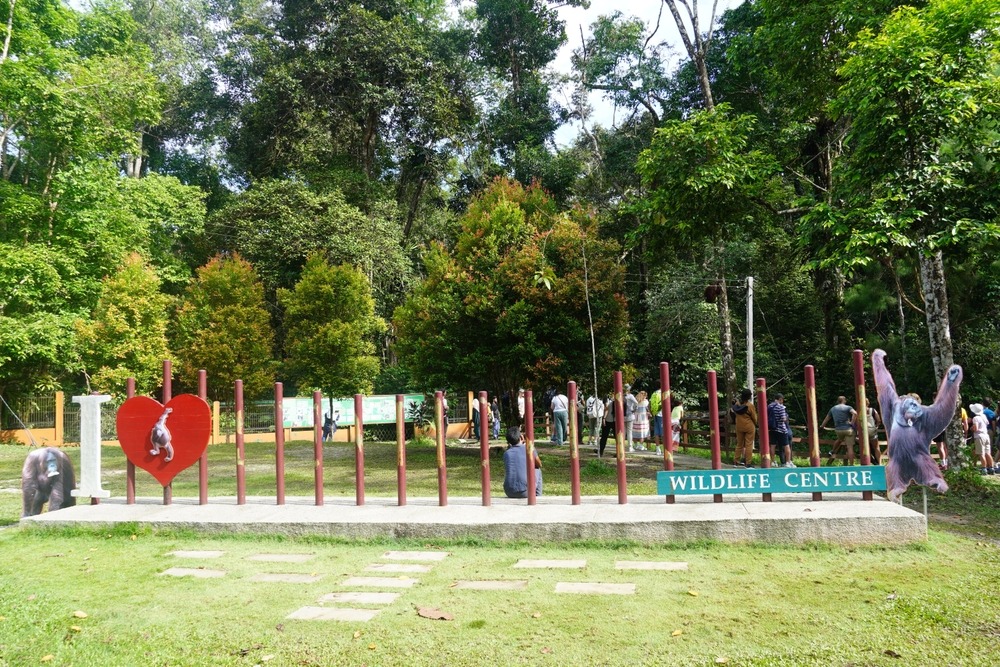
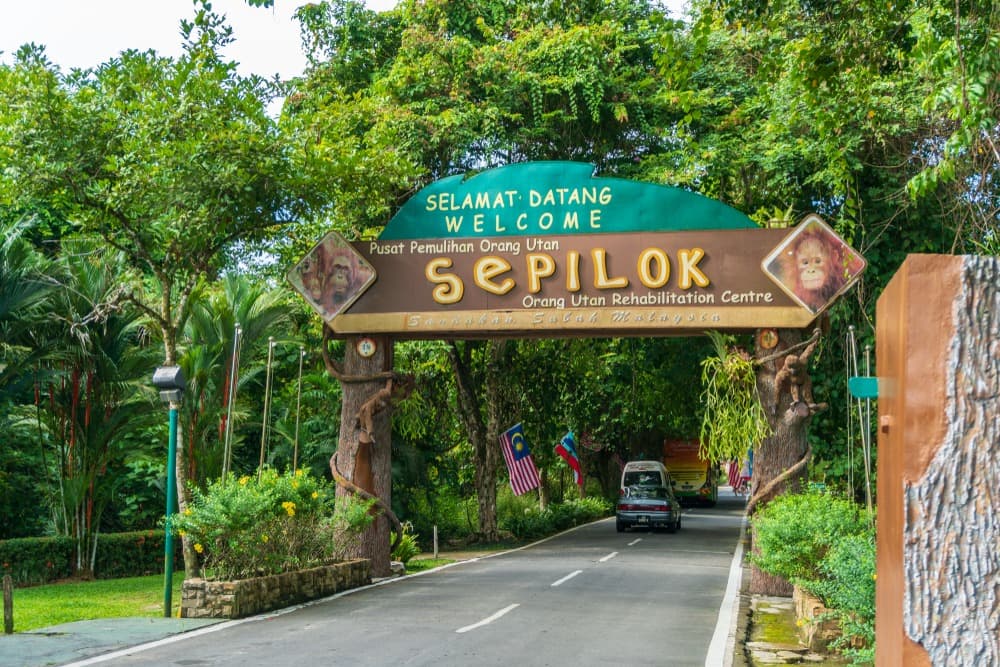
The Sepilok Orangutan Rehabilitation Centre (Pusat Pemuliharaan Orang Utan Sepilok) is a sanctuary dedicated to protecting one of the world's most endangered primate species. Located approximately 25 km west of Sandakan, in the state of Sabah, it welcomes orphaned orangutans and those rescued from poaching, illegal trafficking and deforestation, with the goal of their eventual reintroduction into the forest.
Why visit Sepilok
Sepilok is the world's first official orangutan rehabilitation project, founded in 1964. It combines three dimensions rarely brought together: a scientific reintroduction programme, an intact 43 km² forest reserve (Sepilok-Kabili), and a wildlife observation system that respects the animals. Here you'll witness firsthand how young orangutans relearn to climb, forage and develop a healthy wariness of humans before returning to the forest.
The centre is managed by the Sabah Wildlife Department. Today, between 60 and 80 orangutans live semi-wild within the reserve, while approximately 25 younger or more vulnerable individuals are housed in the nurseries.
History and mission of the centre
When founded in 1964, Sepilok responded to an urgent crisis: rescuing orphaned infants from logging operations, palm oil plantations and the pet trade. The programme is built on a core principle: public education must never interfere with rehabilitation. Visitors are therefore confined to boardwalks and cannot under any circumstances approach or touch the animals—a condition essential to preserving their chances of successful return to the wild.
Malaysian law has grown stricter over the decades. Keeping an orangutan as a pet is punishable by imprisonment. Since 2001, Orangutan Appeal UK has provided financial support to Sepilok, funding veterinary clinic equipment and conservation programmes. The centre has also featured in the documentaries Paul O'Grady's Animal Orphans and Meet the Orangutans (Animal Planet), which have contributed to its international profile.
What to see and do on-site
Feeding on the platform
The centre encourages orangutans to forage for their own food in the forest, but provides a daily food supplement intentionally monotonous in character (bananas, milk) so as not to create an overly attractive meal. Two daily feeding sessions occur at mid-morning and mid-afternoon—the best times to observe semi-wild individuals descending from the trees via a rope system to the platform. Observations vary from day to day, however, since the animals remain completely free to move as they wish.
The outdoor nursery
Opened in October 2014, the outdoor nursery allows you to observe young orangutans during their early learning stages: climbing on a large purpose-built structure, balance exercises and social interactions. Two viewing areas (one air-conditioned, one ventilated) provide panoramic views. Feeding times here are staggered approximately 30 minutes from the main platform, allowing you to experience both observations within the same half-day.
Information centre and presentations
Before heading to the boardwalks, a visit to the information centre is essential. Several video presentations are scheduled daily in the morning and early afternoon, explaining the work of the Sabah Wildlife Department, the rehabilitation journey and the rules to observe (no eating, do not touch the railings, store belongings in lockers).
When to visit
Sepilok is open year-round. Sabah experiences a humid equatorial climate, with a wetter season from November to February; showers are generally short and intense, without disrupting visits. March to September offers more stable weather. Platform observations can be fewer during the fruiting season (June to August, variable), as orangutans find abundant food in the forest and visit the feeding platform less often—which is, paradoxically, a positive sign for the programme. Prioritise the morning feeding, which typically attracts more animals.
How to get there
From Sandakan by ride-hailing
Ride-hailing apps provide the most convenient option. Download Grab (the most reliable in Malaysia) and Maxim (very popular in Sandakan, often cheaper during peak hours) before you arrive. If travelling with AirAsia, their MOVE app also allows you to book a journey. Expect around 25 minutes from Sandakan airport and 40 minutes from the city centre.
By public bus
Public buses marked "Sepilok" depart from Sandakan city centre near the central market or waterfront, with several departures spread throughout the day (generally in the morning, midday and late afternoon). The fare is modest (a few ringgits) and the journey takes 45 to 60 minutes. Check current timetables directly at the bus station on the day of your visit.
Hotel shuttles and taxis
Many hotels in the area offer shuttles to the centre. Traditional red and white taxis are available at the airport and around the city: always agree on the fare before boarding.
Practical information
- Opening hours: daily during daytime hours, with a lunch break. On Fridays, the centre closes mid-morning for prayers.
- Admission: paid entry for foreign visitors, cash only (ringgits) at the ticket office. Your ticket provides access to both daily feeding sessions.
- Booking: advance reservations not available; tickets sold on-site only.
- What to bring: water, insect repellent, closed-toe shoes, neutral-coloured clothing; bags and food must be stored in lockers at the entrance.
- Visit duration: allow 2 to 3 hours to experience the main platform, nursery and information centre.
Nearby attractions
- Bornean Sun Bear Conservation Centre: located a few minutes' walk from Sepilok, this centre is dedicated to the sun bear, the world's smallest bear species. The visit combines well within the same half-day.
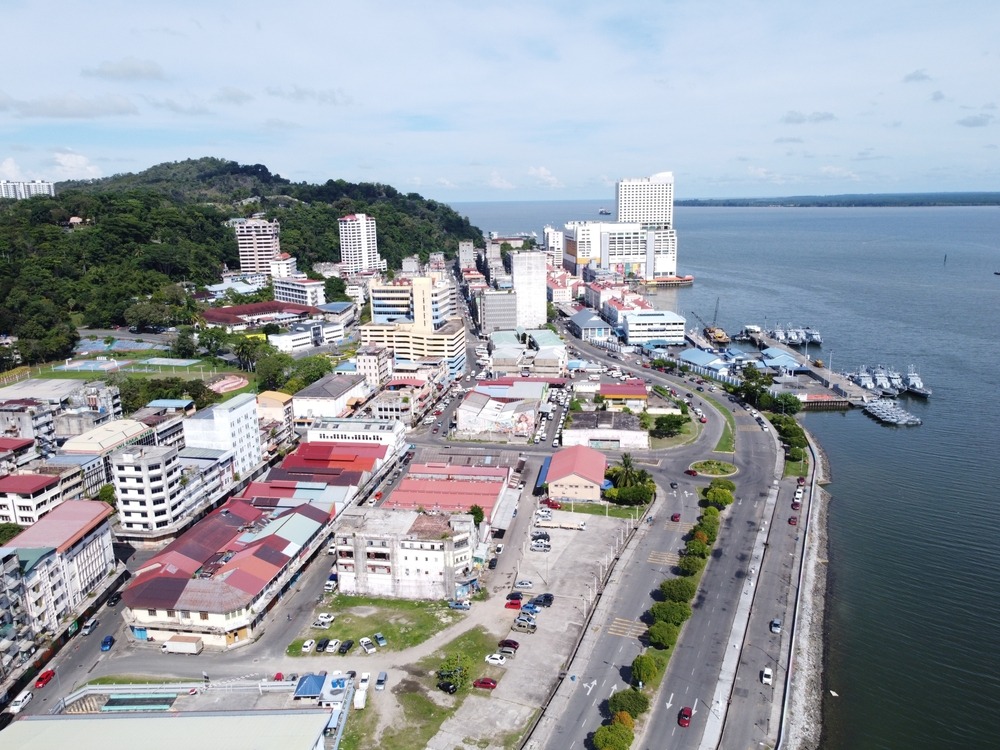
- Sandakan: the gateway city to Sepilok, and also a base for the Kinabatangan River and Selingan Island (sea turtles).
- Bako National Park: another prime Bornean wildlife destination, on the Sarawak side, ideal for spotting proboscis monkeys.
Frequently asked questions
Frequently asked questions
To incorporate Sepilok into a comprehensive Borneo itinerary, explore our tailor-made Malaysia journeys: we typically combine the centre with the Kinabatangan River, Selingan Island and the Sabah highlands.
Interested in this visit?
We can include it in your personalised itinerary.