Batang Ai National Park
Batang Ai National Park
A forest park in Sarawak accessible only by longboat, Batang Ai is home to wild orangutans, Iban trails and traditional longhouses.
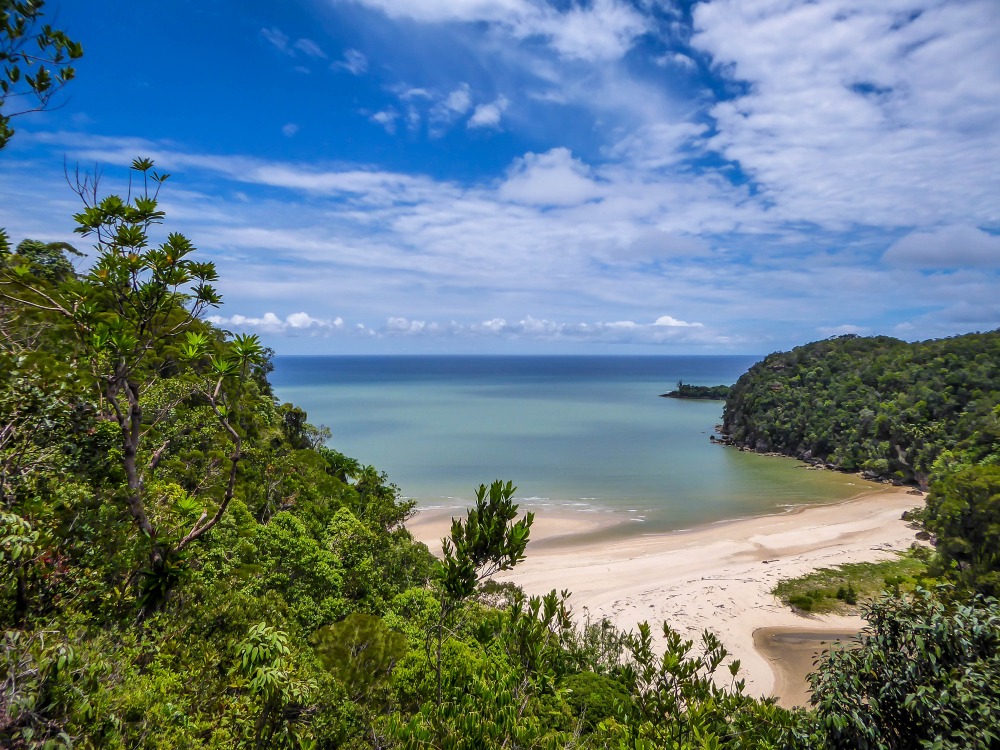
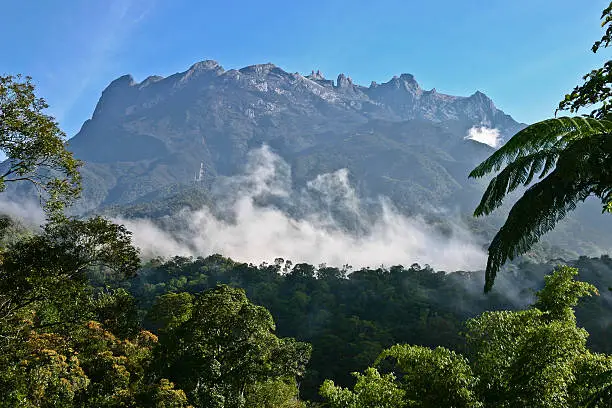
Batang Ai National Park protects a 24 km² forest massif in the heart of Sarawak, in the Malaysian state of Borneo. Accessible only by longboat from the artificial lake of the same name, it is home to wild orangutans, ancient dipterocarp forests and several Iban longhouses whose inhabitants manage the territory in conjunction with park authorities. It is one of the rare protected areas in Malaysia where meeting an indigenous community is an integral part of the experience.
Why visit Batang Ai National Park
The park stands out for three rare elements in Southeast Asia. First, the presence of wild orangutans observable in their natural habitat, without enclosures or rehabilitation centres. Second, exclusive access by water, which filters visitor numbers and preserves the isolation of the forests. Third, the direct involvement of Iban communities, whose longhouses often serve as accommodation and whose members work as guides or forest rangers.
The fauna also includes gibbons, hornbills, wild boar and the great argus pheasant, whose courtship display takes place in cleared forest glades. The trails cross ancient burial sites and giant tapang trees exploited for their wild honey.
History: a park born from a dam
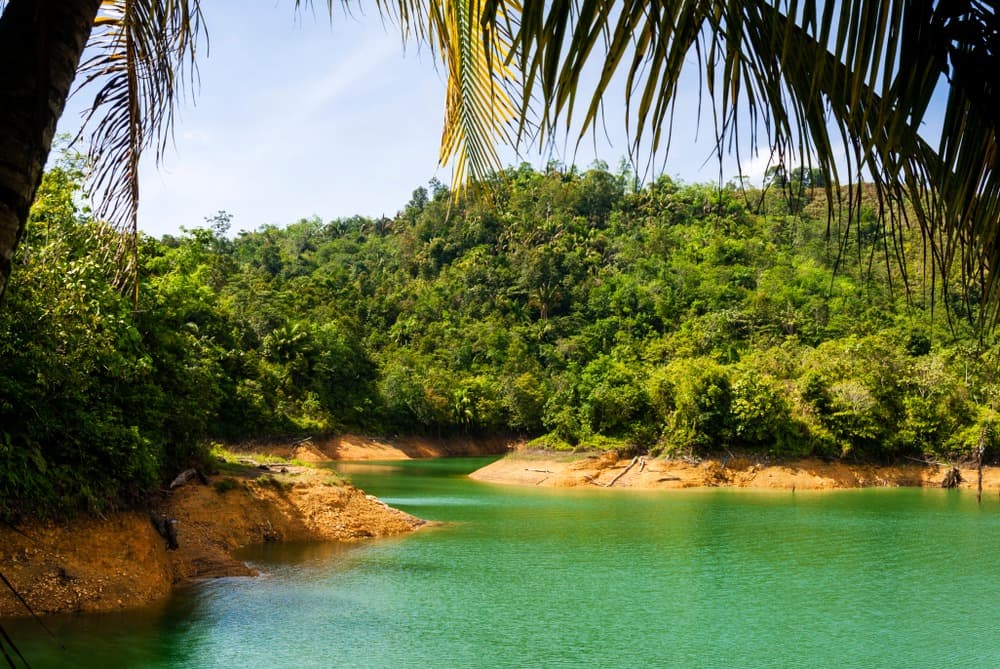
Batang Ai Lake, Sarawak's largest body of water, resulted from a hydroelectric project commissioned in the 1980s. The reservoir flooded part of traditional Iban lands, leading to the relocation of several longhouses upstream. In return, the forest area at the sources of the Batang Ai and Lubang Baya rivers, 15 km upstream from the dam, was designated a national park in 1991 over an area of 24 km².
Management closely involves Iban communities, formerly headhunters, now engaged in conservation. This co-management makes the park a model case in Malaysia for reconciling hydroelectric power, forest protection and indigenous customary rights.
What to see and do
Five marked trails, mandatory guidance
Access to the trails is exclusively with a guide or forest ranger. This rule ensures safety in dense forest and allows Iban communities to benefit directly from tourism revenue.
Padalai Trail
Starting near the Nanga Lubang Baya longhouse. A 30 m climb leads to Pendam Sepetang, an Iban cemetery marked by burial jars. The route then follows a ridge between two rivers, crossing muddy areas frequented by wild boar and clearings where the great argus pheasant displays its plumage.
Bilitong Trail
The path climbs towards Tuchong Bilitong, resting place of six tribal chiefs, then towards Ulu Sungai Sekerong at 320 m. The final section reaches Tuchong Inggai at 420 m, a former observation post from the headhunting era, where a jar marks the tomb of the warrior Tugang.
Sium Trail
Reserved for experienced hikers, this trail leads to the summit of Bukit Sium Ukap, at approximately 704 m. On clear days, the view extends to Danau Sentarum Lakes, on the Indonesian Kalimantan side. The descent runs alongside the Beritik River and passes the foot of a tapang tree hosting wild bee hives, a source of honey for the Iban.
Meeting Iban communities
Longhouses dotting the shores of the lake welcome visitors for immersion experiences. The stay allows you to observe daily life, crafts and Iban cuisine. Hosts know the areas frequented by wild orangutans and can guide walkers to fruit trees where these great apes build their night nests.
Practical information
- Opening hours: day-time opening, including public holidays. Check exact hours with Sarawak Forestry before departure.
- Guided tours: guide or forest ranger mandatory on all trails.
- Dining: no canteen on site, bring food and drinking water.
- Photography: prior authorization required for professional photography and filming.
- Accommodation: Iban longhouses (community immersion) or Aiman Batang Ai Resort, approximately 1.5 hours by boat from park headquarters.
When to go
Sarawak has a humid equatorial climate year-round. The driest season generally runs from May to September: trails are more passable, lake navigation easier, wildlife observation facilitated. The northeast monsoon, from November to February, brings heavy rains that make some tracks slippery but maintain sufficient water levels for longboats.
During low water periods, passengers sometimes disembark from the boat to help navigate shallow rapids when heading upriver. For orangutan observation, fruiting periods (variable depending on tree species) increase the chances of an encounter.
How to get there
The logical starting point is Kuching, Sarawak's capital, located approximately 275 km from the lake (allow about 5 hours by road). Main options:
- Organized tour: the simplest formula, transfers and longboat included.
- Public transport: express bus Kuching–Sri Aman (approx. 3h30), then local bus to Lubok Antu (approx. 2 hours), 5 km from the lake.
From the Aiman Batang Ai jetty or the public Batang Ai jetty, access to the park is only by motorized longboat. Allow approximately 2 hours of navigation: 1 hour on the lake, then 1 hour upriver.
What to see in the region
- Bako National Park: near Kuching, renowned for its proboscis monkeys and coastal formations.
- Kuching: logistical base for Sarawak, rich in museums and street food.
- Penang Hill: another natural escape, on the peninsula side.
- Batu Caves: major Hindu site near Kuala Lumpur.
Frequently asked questions
Frequently asked questions
No. Access to park trails and forest areas must be with an official guide or forest ranger. This rule protects both visitors and the ecosystem, and allows Iban communities to earn direct income from tourism.
Batang Ai's orangutans are wild; observation is never guaranteed. Chances increase during fruiting season and with a local guide familiar with feeding areas. Plan several days on site to maximize your opportunities.
Given travel time from Kuching (5 hours by road + 2 hours by boat), a stay of 2 to 3 nights on site is recommended to enjoy at least one full trail and a night in an Iban longhouse.
Planning your trip
Batang Ai fits naturally into a Sarawak itinerary combining Kuching, coastal national parks and longhouse immersion. To build a bespoke journey, consult our Malaysia travel suggestions.
Interested in this visit?
We can include it in your personalised itinerary.