Kuala Lumpur
Kuala Lumpur
From the Petronas Towers to the Batu Caves, via Chinatown and Little India: your complete guide to exploring Kuala Lumpur, the cosmopolitan capital of Malaysia.
The dynamic capital of Malaysia, Kuala Lumpur deserves your full attention when traveling through the country. The city developed at the heart of a former mining area before transforming into the metropolis we know today. Cosmopolitan, dense, and resolutely forward-looking, it offers a stay rich in discovery. This guide accompanies you in exploring the best of the city, from the Petronas Towers to the Batu Caves.
A glimpse into history
Kuala Lumpur's history begins in the 1840s with the exploitation of tin mines along the Klang River by Chinese miners. The city was then merely a small hamlet situated at the confluence of the Gombak and Klang rivers.
Around 1857, Malay chief Raja Abdullah financed the opening of new mines in Ampang. The village became a transit point for mineral supply and export. Despite malaria and difficult conditions, mining activity enjoyed genuine success and brought about rapid population growth.
Kuala Lumpur was elevated to city status in 1897. It remained the capital of Selangor state until 1971, when it became a federal territory. Under the government of Mahathir Mohamad between 1981 and 2003, major infrastructure projects profoundly transformed the city, including the construction of the Petronas Towers in the 1990s.
Kuala Lumpur today
Malaysia's capital is now home to over 2 million inhabitants, with the metropolitan area exceeding 9 million people. It is the industrial, financial, and cultural heart of the country. Putrajaya, its neighbor, welcomes the main administrative institutions of the federal government.
Kuala Lumpur has managed to modernize without erasing its roots. Skyscrapers stand alongside temples, and street markets sit next to shopping malls. The city has established itself as an international metropolis—accessible, well-connected, and welcoming to travelers from around the world.
What to see and do in Kuala Lumpur?
The Petronas Twin Towers
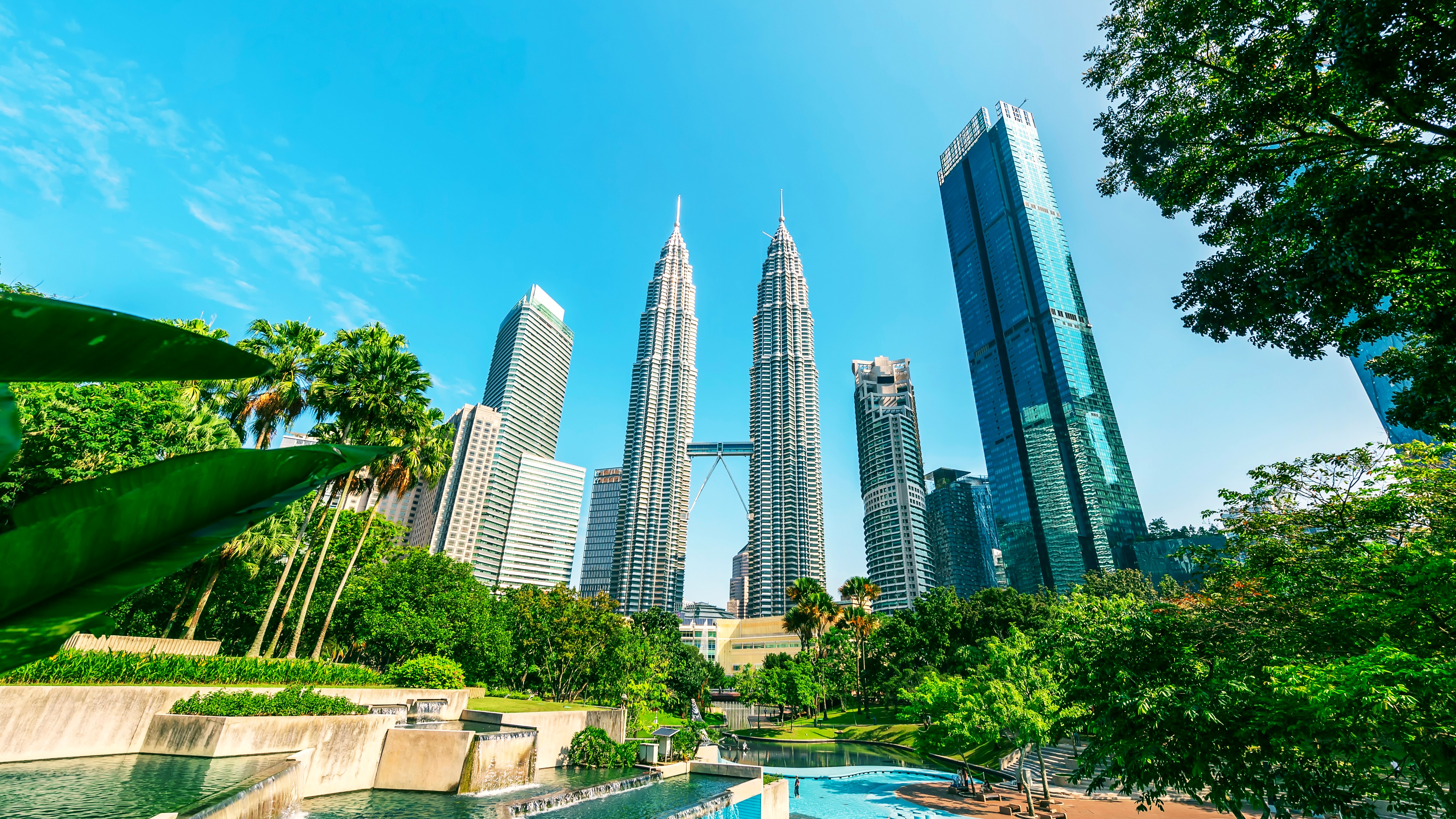
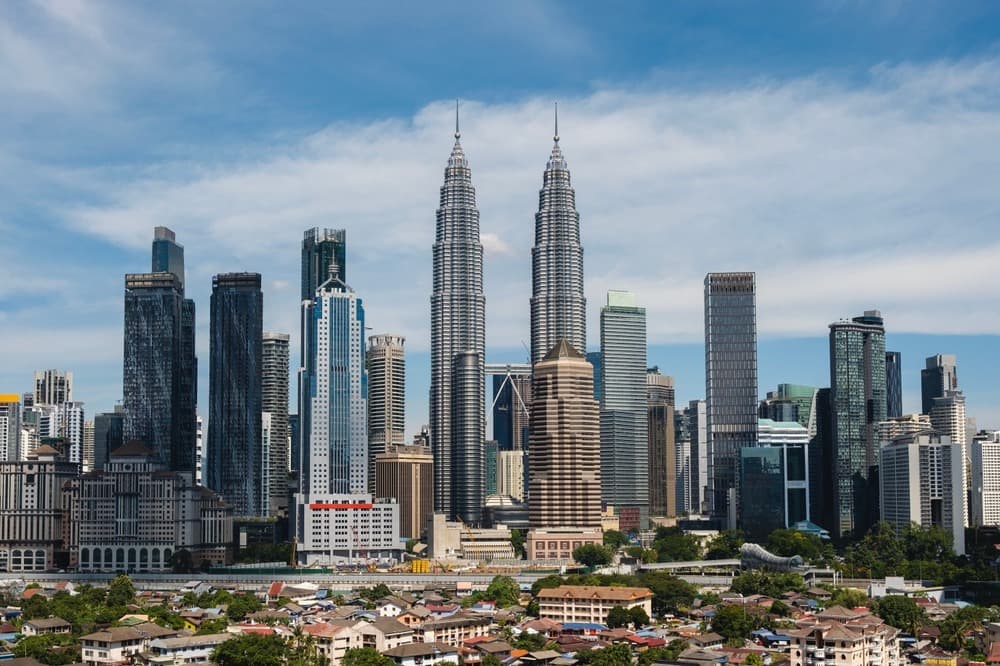
The Petronas Towers are Kuala Lumpur's unmistakable symbol. These two 88-story skyscrapers are the world's tallest twin towers. A glass skybridge connects the two buildings at the 41st floor, while an observation platform on the 86th floor reveals a panoramic view across the entire city.
KLCC Park
Just opposite the Petronas Towers, KLCC Park spans 20 hectares in the heart of the city center. Walking paths wind around an artificial lake, and a children's play area welcomes families with young children. Each evening, the lake comes alive with the "Symphony Lake Water Show": illuminated fountains dance to music, with the Petronas Towers as a stunning backdrop.
Chinatown and Jalan Petaling
The Chinatown district is one of Kuala Lumpur's most vibrant neighborhoods. Its pulse beats around Petaling Street, a fully pedestrianized thoroughfare that resembles a vast market. Bags, clothing, sunglasses, shoes—stalls succeed one another without interruption.
Beyond the market, explore the adjoining alleyways to discover cafés, local food stalls, and murals scattered across building facades. In the evening, the REXKL center hosts food and beverage stands in a festive atmosphere.
Jalan Alor Food Street
For a more authentic dining experience, head to Jalan Alor. This lively street houses Asian restaurants with tables set right on the sidewalk. The atmosphere is friendly and prices are reasonable. It's one of the best spots for an genuine evening out in Kuala Lumpur.
Little India
Just steps from KL Sentral station lies Little India. The main street, Jalan Tun Sambanthan, offers a pleasant stroll through an animated neighborhood. You'll find clothing boutiques, silk shops and restaurants serving delicious Indian cuisine. Plan around an hour to explore the area.
Menara Tower
Menara Tower is the world's seventh tallest telecommunications tower, reaching 421 meters. At 300 meters high, the SkyDeck and its Skybox (an entirely glass-enclosed cabin suspended in mid-air) promise a few thrills for the daring.
The complex also houses the Upside Down House and the Eco Forest Park. For a romantic evening, the tower's restaurant, which rotates slowly on itself, is worth the visit.
The Batu Caves
About ten kilometers north of the city lie the Batu Caves, the most visited Hindu sanctuary outside of India. The limestone formations sheltering these caves date back approximately 400 million years. The main temple is reached after climbing 272 steps, watched over by monkeys and pilgrims.
The caves are dedicated to Murugan, the god of war and victory in Hindu tradition. A 43-meter golden statue representing this deity dominates the entrance. Each year, the Thaipusam festival draws hundreds of thousands of devotees here.
Perdana Botanical Gardens
Founded in 1888, the Perdana Gardens extend across nearly 92 hectares in the heart of the city. A bird park, a butterfly farm, a deer park, and a lake where boats can be rented comprise this vast green space. A jogging track and sports facilities round out the offerings.
Dataran Merdeka and Central Market
Central Market is a covered market offering handicrafts, textiles, and souvenirs. Following the Klang River banks from this market, you'll arrive at Dataran Merdeka, Kuala Lumpur's historic heart, where Malaysia's first flag was raised. Several historic and colonial monuments stand nearby, such as the Sultan Abdul Samad Building and the Royal Selangor Club.
Changkat Bukit Bintang
For a livelier evening, Changkat Bukit Bintang brings together bars and restaurants (mostly Western-style) that come alive from 6 pm onwards. Tapas, Mexican, Italian, or Indian cuisine: the offering is eclectic. Prices are higher than elsewhere in the city, but the atmosphere is worth it.
As Malaysia's primary entry point, Kuala Lumpur boasts a well-connected international airport. From the airport, you can reach the city center via public transport or private taxi.
The city is also accessible by bus or train from elsewhere in Malaysia, as well as from Thailand and Singapore.
The rail network remains the most practical option. It includes KTM trains, the light rail, and monorail. Journeys are economical and the system is straightforward to navigate.
Taxis and the Grab app are good alternatives. Walking is possible in several neighborhoods thanks to wide sidewalks, though the heat limits longer distances.
When to visit?
Malaysia's capital can be explored year-round, but conditions are generally most pleasant between June and August, and also between December and February. During these periods, you'll enjoy temperatures between 24 and 33 °C, ideal for discovering the city and its many neighborhoods.
FAQ
How many days do you need to explore Kuala Lumpur?
Three to five days are sufficient to explore the main sites. With just one or two days, you can still see the essentials by focusing on the must-sees.
Is life expensive in Kuala Lumpur?
The city is relatively affordable. Public transportation is very cheap, and Chinatown or Brickfields allow you to eat on a budget. High-end accommodation and restaurants represent the biggest expenses.
Which neighborhood should you stay in Kuala Lumpur?
The choice of neighborhood largely depends on your travel style. The KLCC area is ideal if you want to stay in the heart of the city, near the Petronas Towers. Bukit Bintang appeals with its lively atmosphere, shopping malls, and nightlife. Chinatown remains a good option for tight budgets and street food, while Little India offers a more cultural and colorful atmosphere.
Is Kuala Lumpur a safe city for tourists?
The city is generally safe, but it's wise to remain vigilant against petty crime, particularly bag snatching. Violent crime against foreigners remains rare.
Attractions in Kuala Lumpur
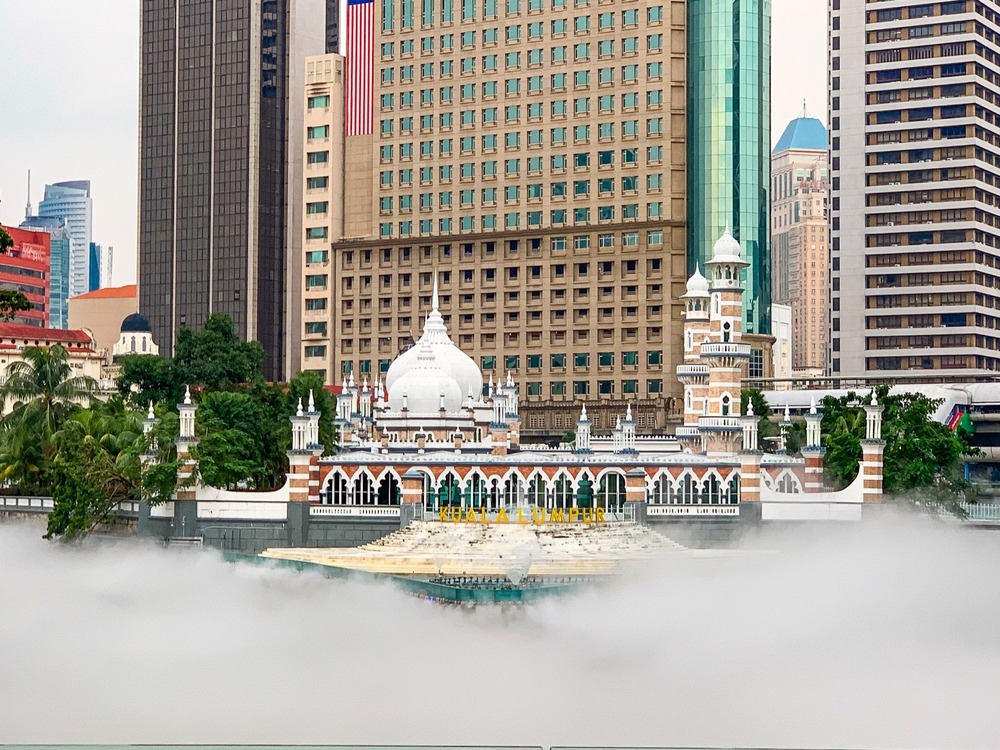
Mosquée Sultan Abdul Samad Jamek
À la confluence des rivières Klang et Gombak, la plus ancienne mosquée de Kuala Lumpur conjugue architecture indo-sarrasine et accès direct au cœur historique de la ville.
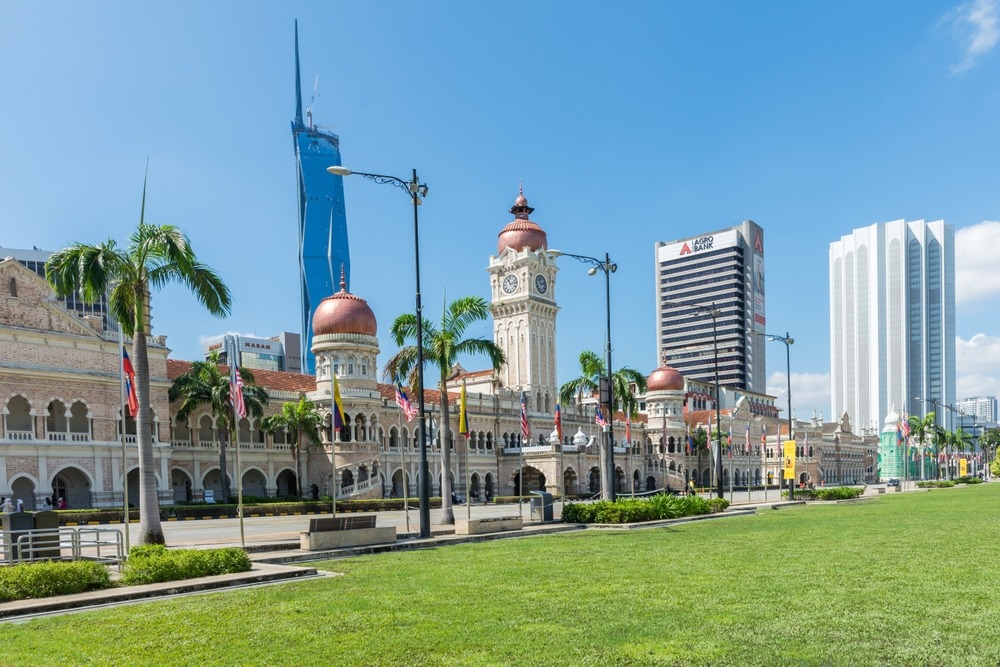
Dataran Merdeka
Place de l'Indépendance malaise au cœur de Kuala Lumpur, entourée de bâtiments coloniaux et marquée par le hissage du drapeau le 31 août 1957.
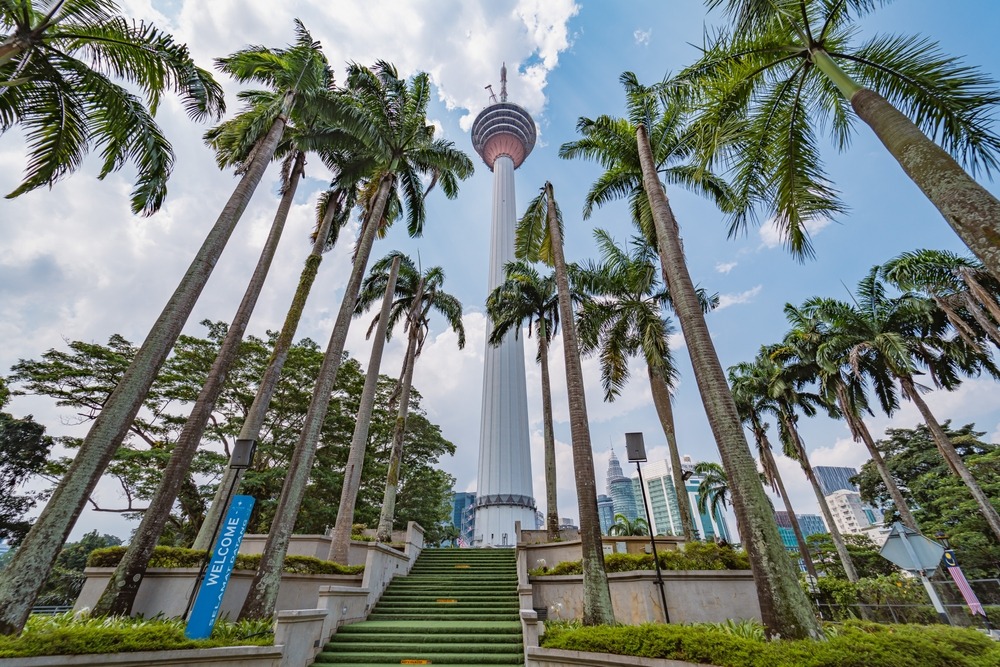
Menara Kuala Lumpur
Tour de 421 m au cœur de Kuala Lumpur : plateforme 360°, Sky Box vitrée, restaurant tournant et complexe de loisirs au pied de la colline de Bukit Nanas.
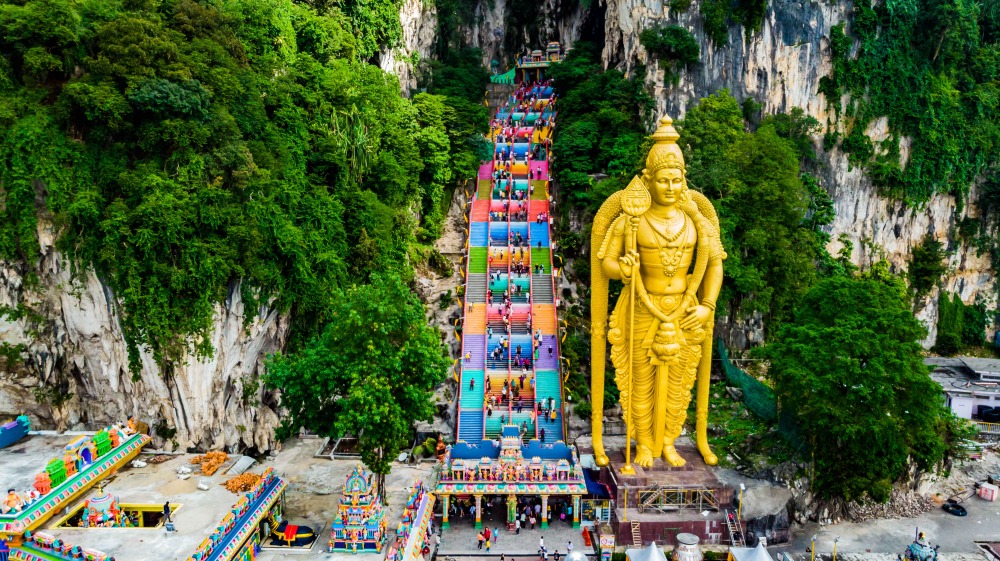
Les grottes de Batu
À 13 km de Kuala Lumpur, les grottes de Batu associent temples hindous, statue de Murugan de 43 m, biodiversité protégée et 272 marches mythiques.
Accommodation in Kuala Lumpur
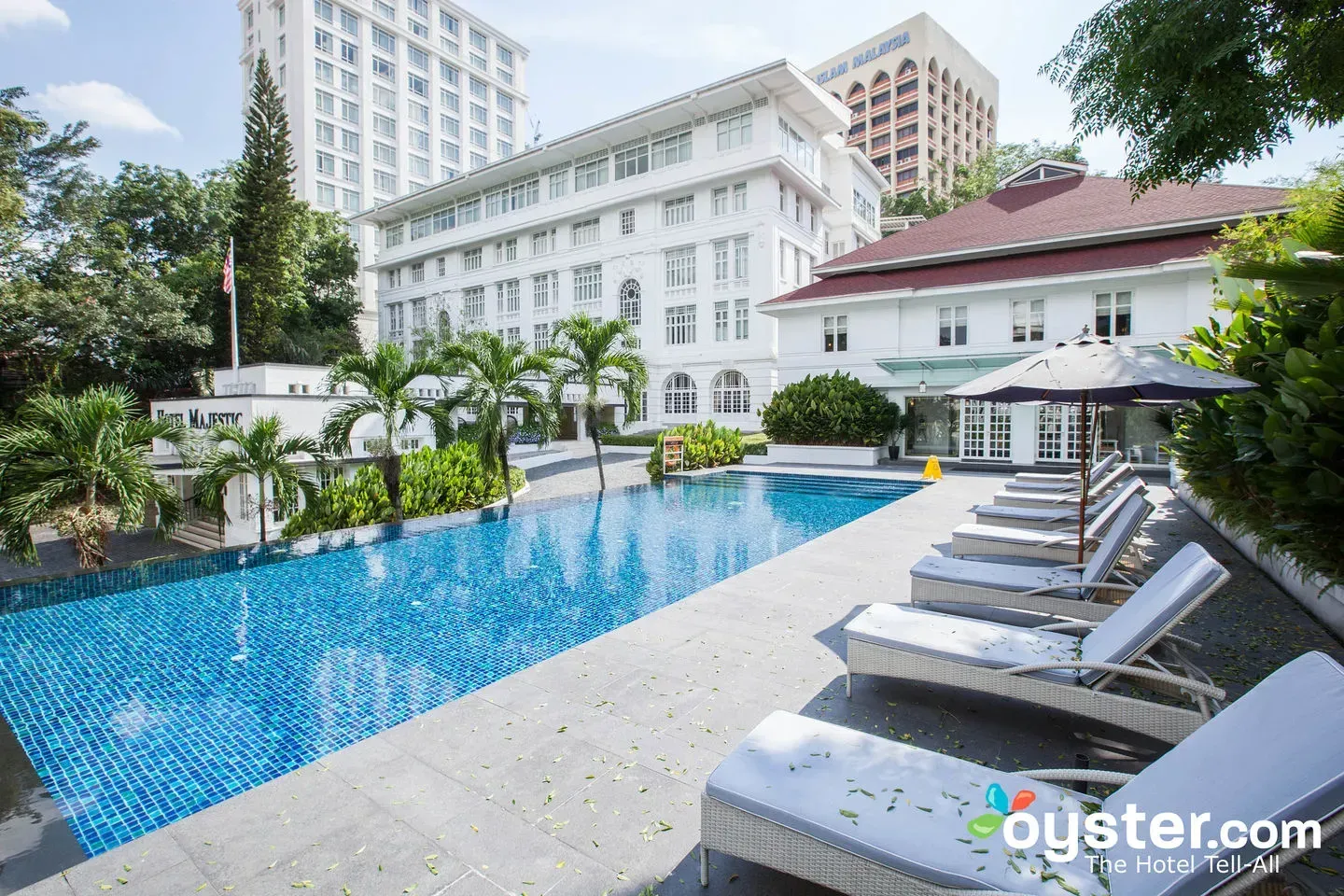
Majestic Hotel Kuala Lumpur
Ouvert en 1932 et classé patrimoine national, le Majestic Hotel Kuala Lumpur combine une aile coloniale Art Déco et une tour contemporaine, près de KL Sentral.
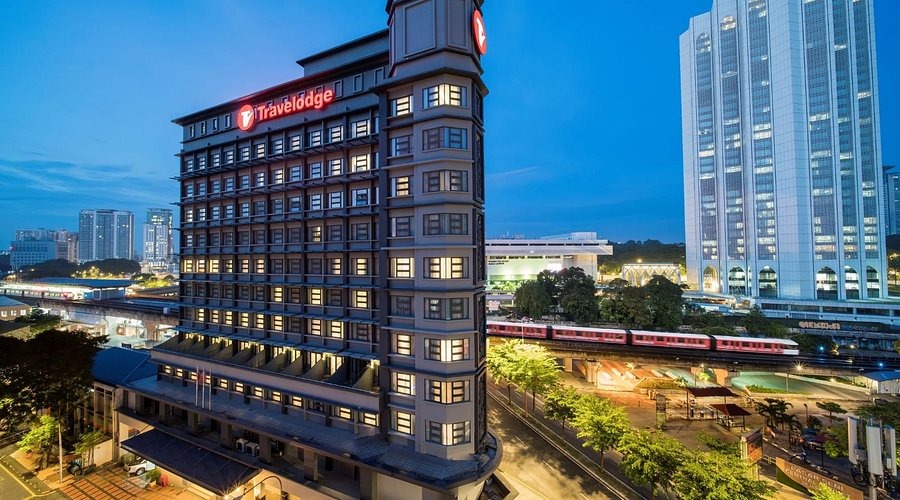
Travelodge Chinatown Kuala Lumpur
Hôtel urbain à l'architecture en proue, au cœur de Chinatown à Kuala Lumpur, à deux pas de Petaling Street et de la station MRT/LRT Pasar Seni.
Want to discover this destination?
Our local advisors design your tailor-made trip.