Ipoh
Ipoh
Former tin capital nestled in the Kinta Valley, Ipoh blends colonial heritage, street art, karst temples and cuisine renowned throughout Southeast Asia.
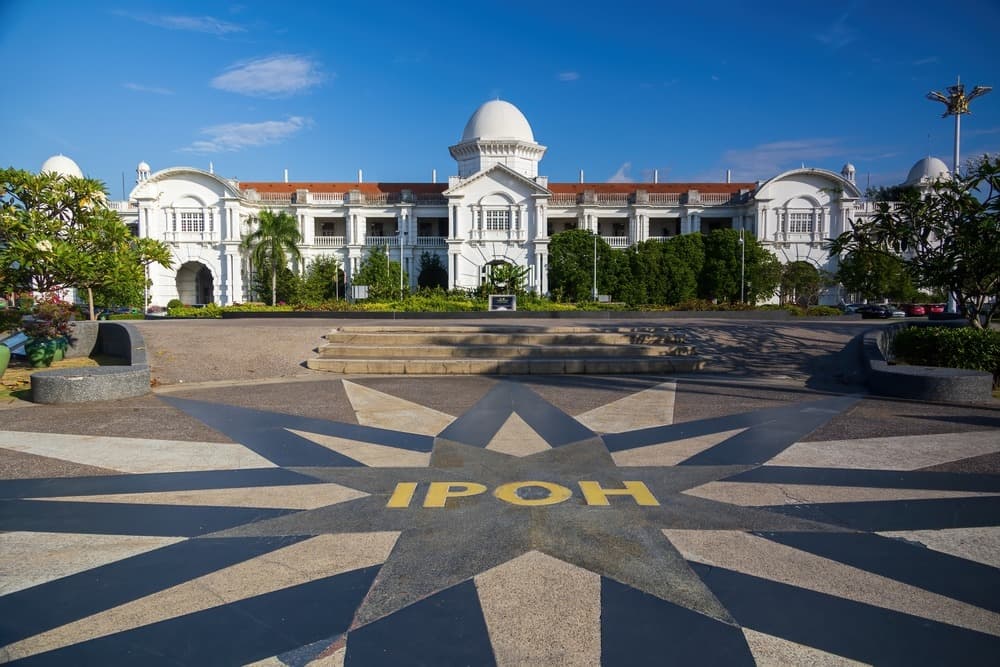
Capital of the state of Perak, Ipoh sits at the heart of the Malay Peninsula, approximately 200 km north of Kuala Lumpur. This city of nearly 760,000 inhabitants captivates with its well-preserved British colonial architecture, its spectacular karst formations and its gastronomy celebrated across Southeast Asia. Long overshadowed by Georgetown and Kuala Lumpur, it reveals today an authentic charm that more than deserves a visit.
A Brief History
The name Ipoh originates from the toxic tree Antiaris toxicaria, whose sap was used by indigenous peoples to poison their hunting darts. A simple village at first, the city underwent radical transformation in the 1880s with the discovery of massive tin deposits. Its strategic position in the Kinta River Valley, rich in ore, fueled rapid development.
The great fire of 1892 devastated more than half the city, but enabled reconstruction following an orderly urban plan. By 1895, Ipoh had become the second city of the Federated Malay States. The tin industry reached its peak in the 1920s and 1930s, attracting notably the Hakka millionaire Yau Tet Shin, who developed the "New Town" in the 1930s.
Ipoh became the capital of Perak in 1937, replacing Taiping. After Japanese occupation from 1941 to 1945 and the collapse of tin prices in the 1970s, the city endured several decades of decline before tourism breathed new life into it.
Ipoh Today
The former tin capital has reinvented itself as a sought-after tourist destination. The city retains its status as capital of Perak and today houses the headquarters of several multinationals, including Kuala Lumpur Kepong Berhad and Old Town White Coffee.
Its colonial architectural heritage, its alleyways adorned with contemporary street art and cave temples now attract travelers seeking authenticity. The preservation of its built heritage and its less touristy atmosphere than Georgetown make it an essential stop for understanding contemporary Malaisie.
What to See in Ipoh?
1. Old Town Ipoh
The historic heart of Ipoh unveils a maze of narrow alleyways lined with traditional shophouses with colorful facades, as well as elegant colonial buildings. Concubine Lane constitutes the main artery of this picturesque quarter. Once the residence of concubines of wealthy tin magnates, this lively alley now hosts charming shops, cozy cafés and food stalls. Lanterns suspended between buildings add a romantic touch to the atmosphere.
Market Lane and Wife Lane, also named by magnate Yau Tet Shin, complete this trio of historic streets. Their facades adorned with decorations and embellished by urban art deserve careful exploration.
2. Street Art
Ipoh's walls have transformed into open-air galleries where contemporary art dialogues with heritage. Market Lane concentrates several remarkable works, which sometimes emerge in the most unexpected places: behind construction sites, at the end of alleyways, on dilapidated facades. These graphic creations breathe new life into aging buildings and tell local history with freshness.
Mural Art's Lane, in the new town, is absolutely worth a visit despite its discreet location. This narrow alley gathers murals depicting daily life, customs and Malaysian cultural narratives. Some paintings shine with recent freshness while others bear witness to the passage of time.
3. Temples
The limestone formations surrounding Ipoh shelter several Buddhist temples carved into the rock:
- Sam Poh Tong: This emblematic sanctuary nestles within a spectacular natural cave, adorned with stalactites and stalagmites.
- Kek Lok Tong: Accessible via the residential quarter of Gunung Rapat, this temple occupies the opposite face of the same rock formation. Its name means "Cavern of Supreme Happiness".
- Perak Tong: The faithful climb its steps to discover impressive Buddhist statues nestled in the rock.
- Ling Sen Tong, Nan Tian Tong and Kwan Yin Tong: These sanctuaries complete the cave temple circuit, each displaying its own mystical atmosphere.
4. Tasik Cermin
Nicknamed "Mirror Lake," Tasik Cermin is one of Ipoh's best-kept secrets. This peaceful body of water nestles at the foot of vertiginous limestone cliffs. These cliffs reflect in its calm waters at certain times of day.
You will access this haven of tranquility by crossing the Miners' Tunnel, excavated by Hakka Chinese immigrants in the early 20th century to transport iron ore in carts. A boat ride will allow you to admire the raw beauty of this preserved landscape. The site opens from 9am to 6pm and constitutes a revitalizing morning excursion.
What to Do in Ipoh?
1. Savor Its Gastronomy
Ipoh's culinary reputation extends far beyond Malaisie's borders. Sino-Malay cuisine reaches sublime heights here, notably with Ayam Taugeh, an emblematic dish combining poached chicken and bean sprouts enhanced with shallot and sesame oils. Ipoh Kai Si Hor Fun marries flat rice noodles, sliced chicken and shrimp in a creamy broth.
Hakka Egg Noodles accompanied by Yong Tau Foo delight the most demanding palates. The Hainan-style Chicken Rice, beef rendang stew with Sumatran influence and mamak nasi kandar Indian buffets complete this exceptional gastronomic panorama. Don't forget to taste the famous Tambun pomelos and Heong Peng biscuits, essential local specialties. All naturally accompanied by Ipoh white coffee, renowned throughout the region.
2. Shopping
The charming shops of Ipoh's historic quarter invite leisurely browsing. What to Wear, a Malaysian brand established in several locations, offers quality clothing with careful design. The alleyways brim with stalls selling local crafts, knickknacks and original souvenirs, notably in Concubine Lane.
BookXcess deserves a visit for its unique concept: this bookstore occupies a former bank where books nestle between safes and safety deposit boxes. The experience transcends mere shopping to become a veritable literary treasure hunt.
The city benefits from excellent road connections. From Kuala Lumpur, allow two and a half hours of travel. Cameron Highlands and Georgetown are approximately two hours away.
The Terminal Amanjaya bus station, located twelve kilometers from the center, serves major destinations. The T30a bus connects the station to the historic quarter in twenty minutes. The Grab application also constitutes a practical and economical solution.
The main attractions of the city center are easily discovered on foot. Only the cave temples require transportation. The A34 and A37 buses serve these sites, but an organized excursion simplifies logistics considerably. The Grab application remains the most flexible alternative.
When to Visit Ipoh?
Ipoh's equatorial climate is characterized by stable temperatures around 28°C year-round and abundant rainfall reaching nearly 2,900 mm annually. October represents the wettest month. The period from November to February, corresponding to the dry season, will suit your visit better. Nevertheless, note that tropical storms remain possible.
FAQ
Is Ipoh Worth Visiting?
Yes. It combines architectural heritage, gastronomic richness and remarkable natural beauty. Its quieter atmosphere than Georgetown and its less touristy character make it a refreshing destination that deserves to be explored without haste.
How Much Time Do You Need to Visit Ipoh?
The ideal duration is two to three days. A morning suffices for Tasik Cermin and the temples, while one to two days allow you to explore the historic quarter, savor local cuisine and browse trendy shops.
Where to Stay in Ipoh?
The old town and new town represent the two main accommodation areas, separated by only ten minutes' walk. Both sectors guarantee easy access to major attractions, with the exception of temples which require transportation.
Is Ipoh a Safe Destination for Tourists?
Ipoh is generally considered a safe city, even at night, with a low crime rate and respectful inhabitants, but you should always remain vigilant.
Attractions in Ipoh
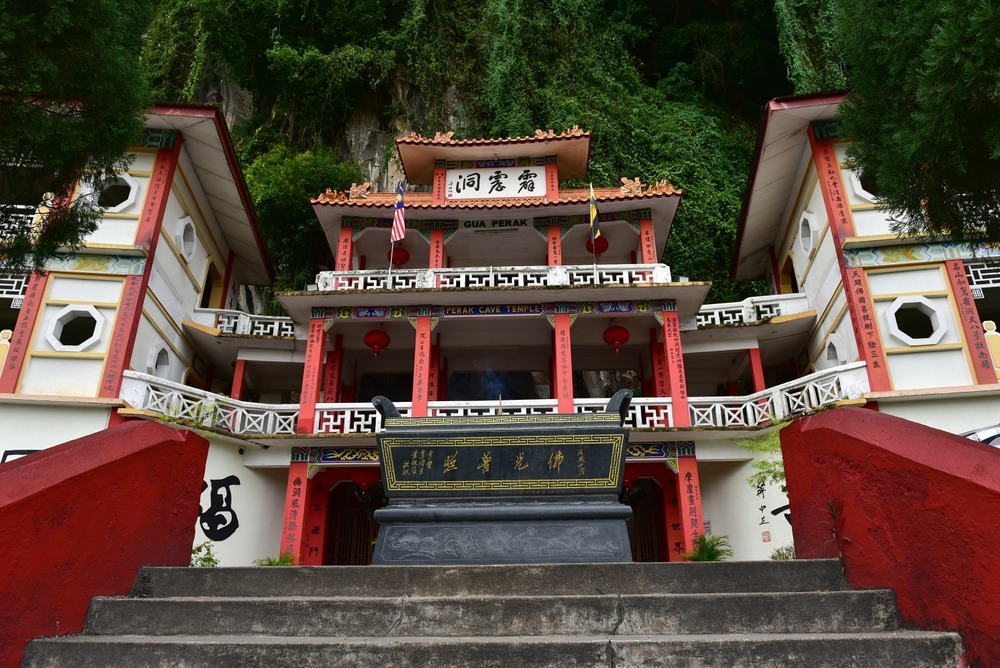
Temple troglodyte de Perak Tong
Sanctuaire bouddhiste creusé dans le calcaire du Gunung Tasek, au nord d'Ipoh : grand Bouddha, fresques et belvédère après 450 marches.
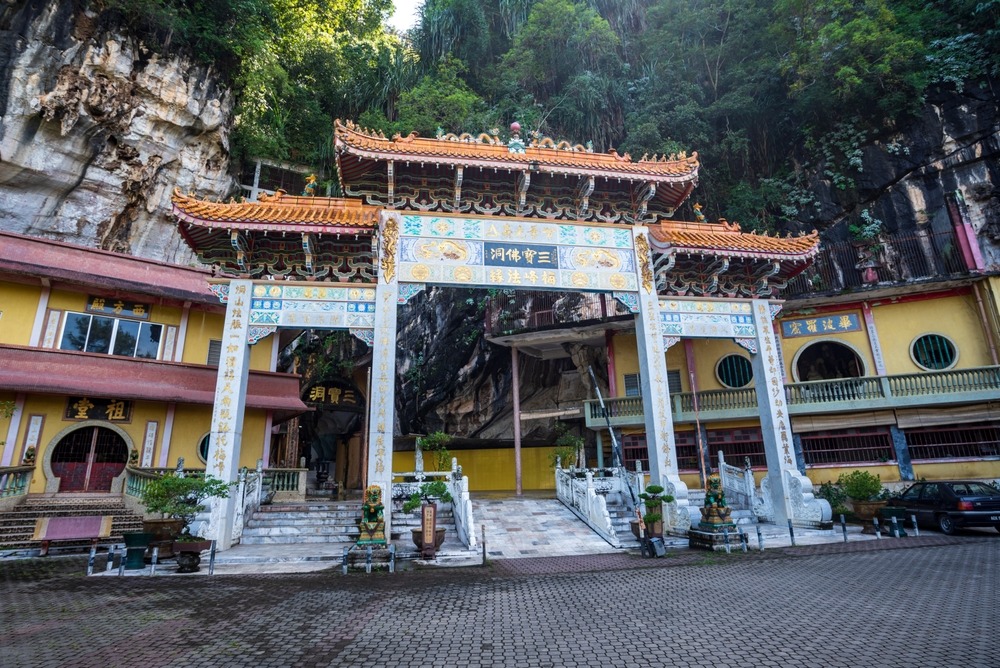
Temple de Sam Poh Tong
Temple troglodyte bouddhiste de Gunung Rapat, à 5 km au sud d'Ipoh. Salle de prière dans une grotte calcaire, jardins, pagode européenne et enclos à tortues.
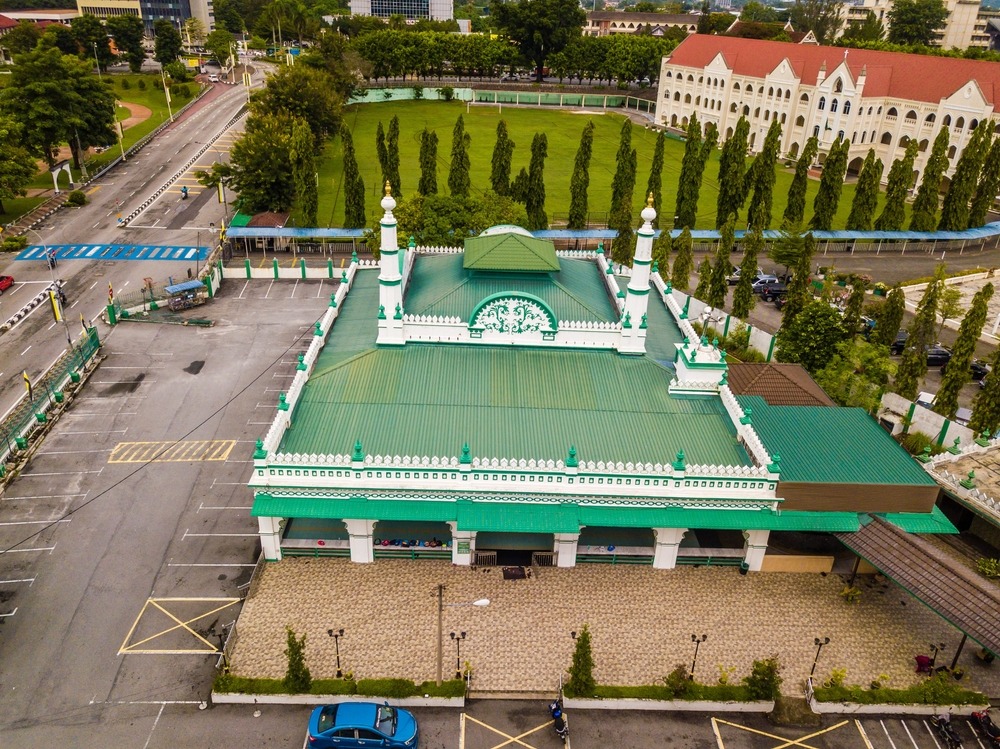
Mosquée Padang
Construite en 1908 pour la communauté tamoule d'Ipoh, la mosquée Padang surprend par son architecture moghole en façade verte et blanche.
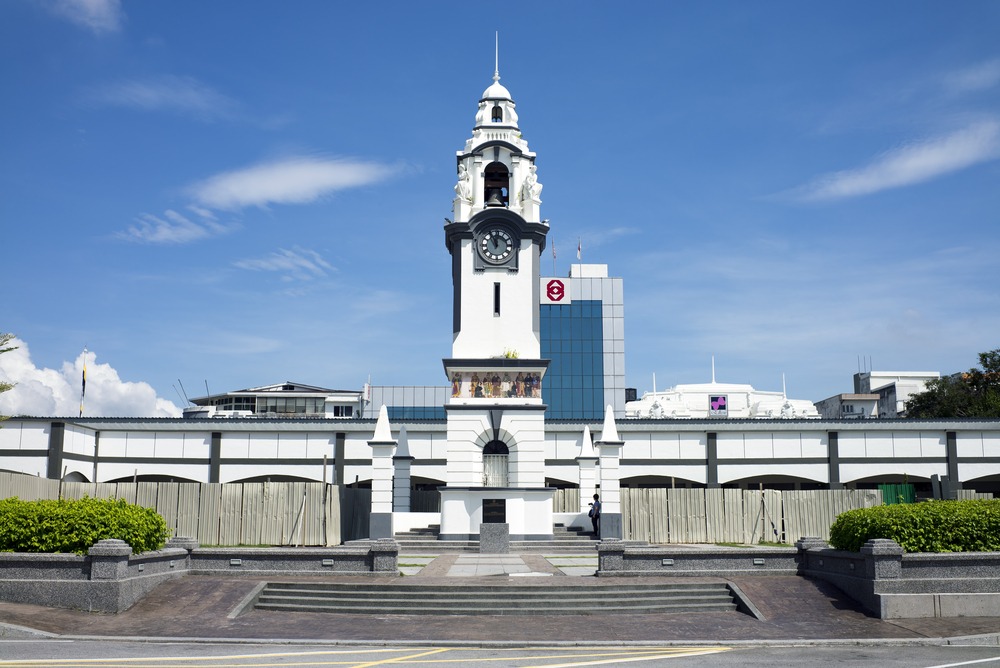
La tour de l'horloge commémorative de Birch
Érigée en 1909 à Ipoh, la tour commémorative de Birch raconte une page sensible de la colonisation britannique du Perak à travers ses panneaux Doulton.
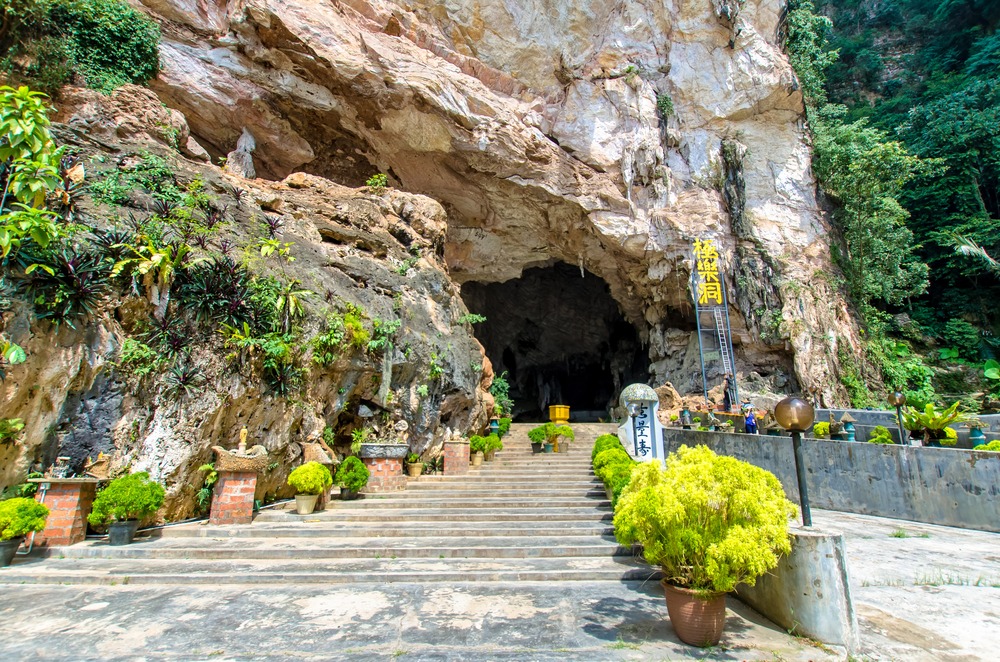
Temple Kek Lok Tong
Sanctuaire bouddhiste creusé dans une montagne calcaire à Ipoh, Kek Lok Tong réunit grotte sur trois niveaux, jardins paysagers et lacs accessibles gratuitement.
Accommodation in Ipoh
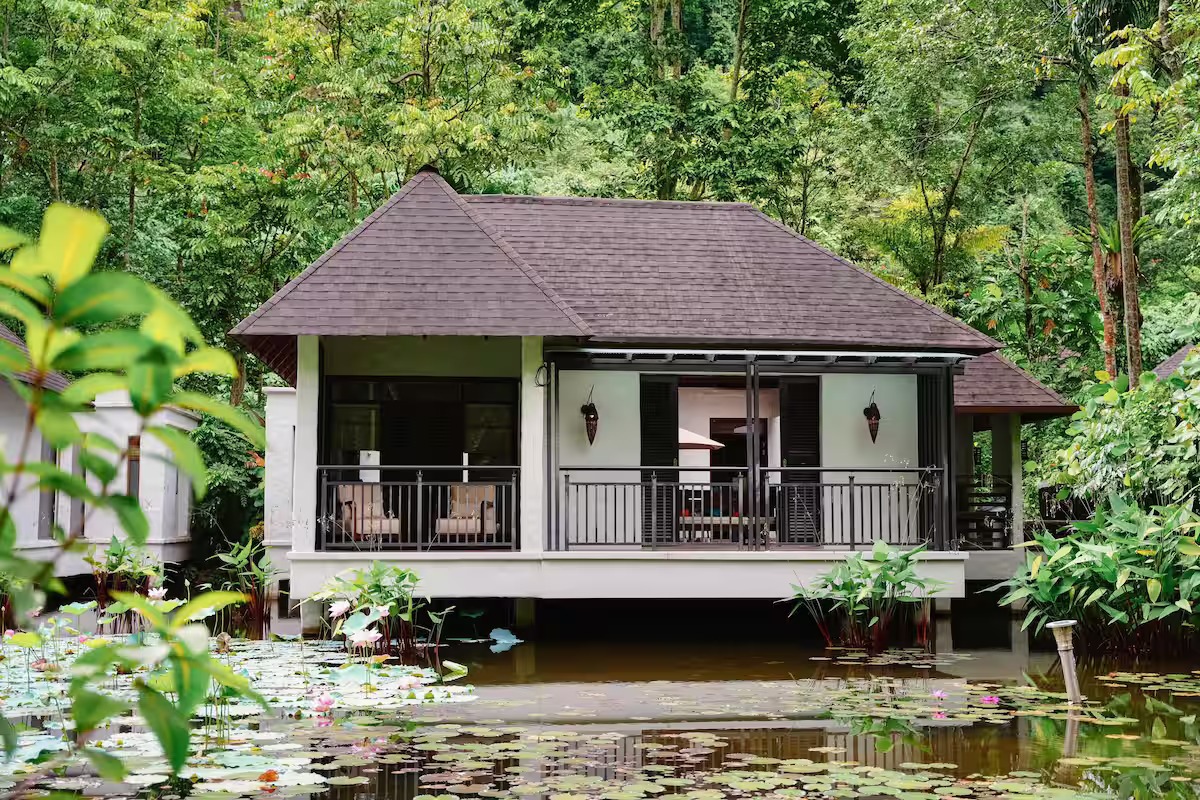
The Banjaran Hotsprings Retreat
Retreat adults-only à Ipoh, dans l'État de Perak : 44 villas privées, sources géothermales naturelles et spa au pied de collines calcaires vieilles de 260 millions d'années.
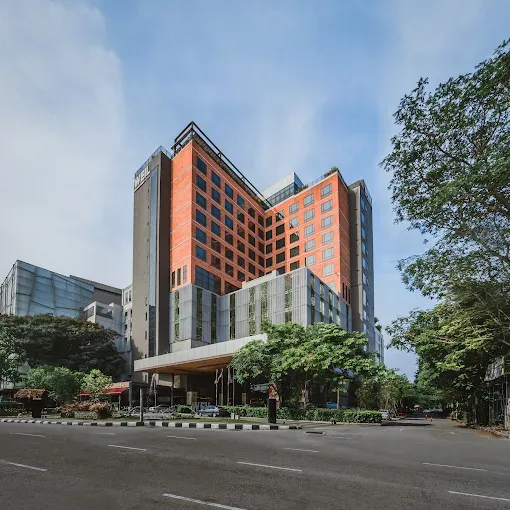
WEIL Hotel
Hôtel 5 étoiles au cœur d'Ipoh, primé Best City Hotel 2025 : piscine à débordement rooftop, restaurant gastronomique chinois et accès direct à Ipoh Parade.
Want to discover this destination?
Our local advisors design your tailor-made trip.