Dataran Merdeka
Dataran Merdeka
Malaysia's Independence Square at the heart of Kuala Lumpur, surrounded by colonial buildings and marked by the raising of the flag on 31 August 1957.
Dataran Merdeka, or Independence Square, occupies the historic centre of Kuala Lumpur. Once a British cricket ground, it became the stage on 31 August 1957 for the proclamation of Malaysian independence. Today, the square is a landmark for understanding the transition from the colonial era to modern Malaysia, surrounded by administrative buildings, clubs and an Anglican cathedral.
Why visit Dataran Merdeka?
The square brings together several layers of Kuala Lumpur's history in a single location:
- The exact site where the Malaysian flag was raised for the first time, marked by a round black marble plaque at the foot of a flagpole among the tallest in the world.
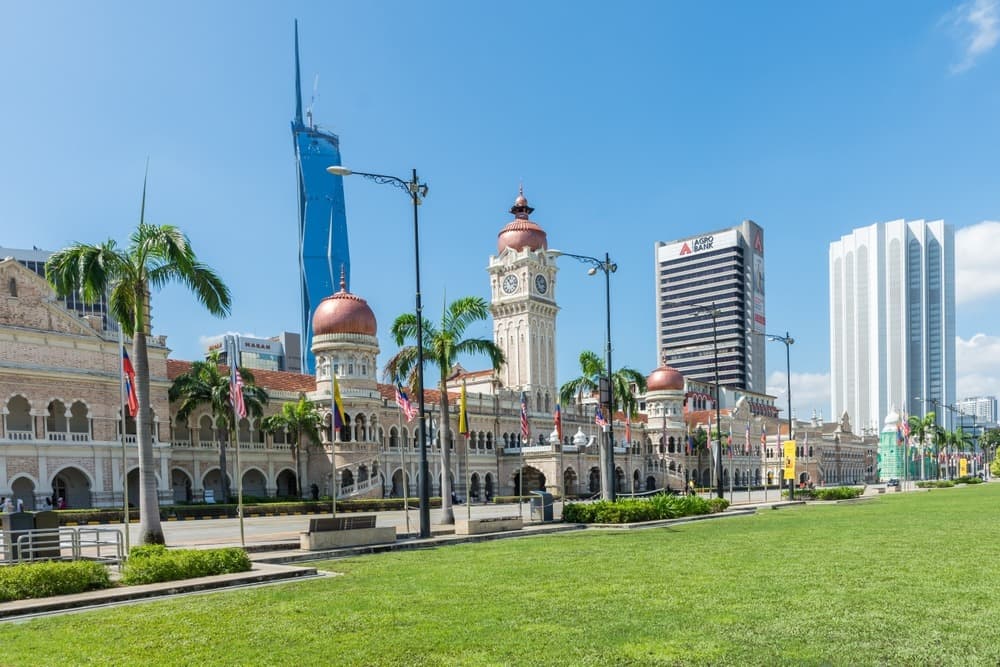
- A cohesive colonial architectural ensemble, dominated by the Sultan Abdul Samad building with its copper domes.
- Free access, open permanently, within walking distance from the city centre.
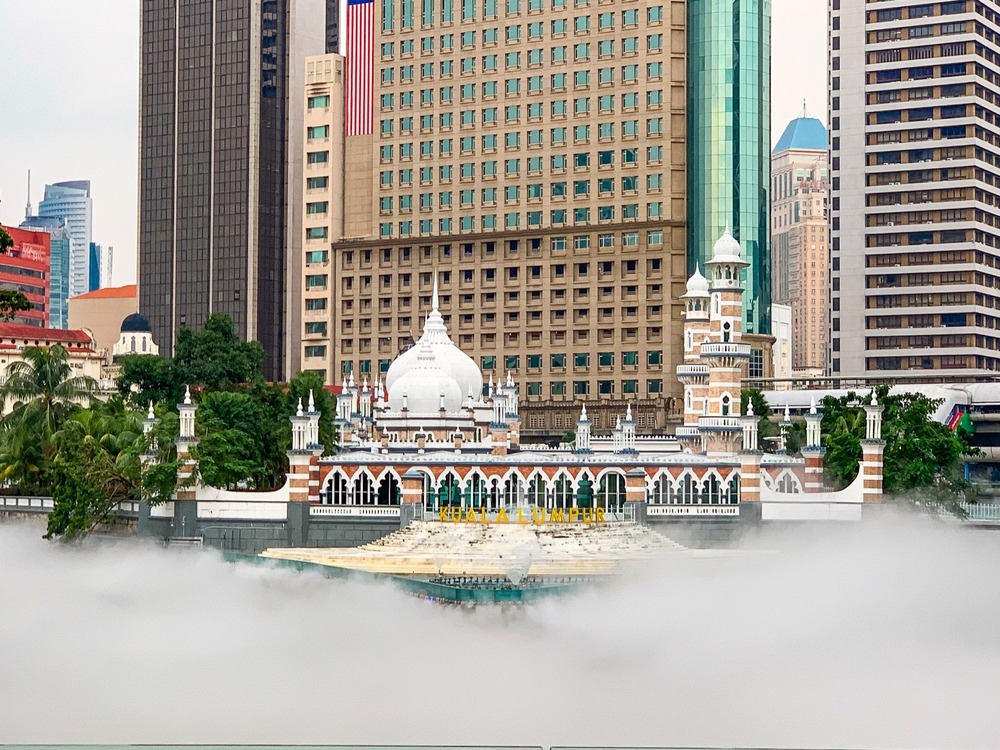
- Immediate proximity to other must-sees in the capital (Masjid Jamek, Chinatown, Kuala Lumpur City Gallery).
The visit is outdoors, with no ticket or queue, and complements a walking tour of the historic district well.
History of the square
The site of the present-day Dataran Merdeka was originally a marshy area associated with Yap Ah Loy, one of Kuala Lumpur's founders. In 1882, the British acquired it to build a training ground for the colonial police. From 1892 onwards, the space became the cricket ground of the Selangor Club, founded in 1884 and located just across the way.
In 1897, the Sultan Abdul Samad building was erected on the east side of the square to house the colonial administration. Other buildings came to complete this administrative centre: post office, railway offices, banks, cathedral.
The decisive moment came on 31 August 1957 at midnight: the British flag was lowered and the Malaysian flag raised for the first time, sealing the country's independence. In 1987, the Kuala Lumpur municipality took control of the ground, previously managed by the Selangor Club, and developed it into a commemorative square. Each year, the national parade celebrating independence takes place here.
What to see on the square and around
The flagpole and commemorative plaque
In the south of the square stands a flagpole of approximately 95 metres, considered one of the tallest in the world. It symbolises Malaysia's sovereignty. At its foot, a round black marble plaque marks the exact location where the Malaysian flag was raised for the first time in 1957.
The commemorative fountain
Nearby is the Cop's Fountain, erected in 1897 in honour of Steve Harper, police inspector. It is one of the rare decorative vestiges from the colonial era preserved on the square.
The Sultan Abdul Samad building
This red-brick building with copper domes and a central clock is the visual icon of the square. It now houses the Ministry of Information, Communication and Culture. Its facade is particularly photogenic at the end of the day and at night, when it is illuminated.
The Royal Selangor Club
Founded in 1884, this black and white Tudor-style club was a meeting place for British dignitaries. Still operating as a private club, it can only be viewed from the outside.
Kuala Lumpur City Gallery
Housed in a former colonial building at the south corner of the square, it displays miniature models of the city and a visual show tracing the evolution of Kuala Lumpur. This is also where you'll find the "I ❤ KL" sign, a very popular photo spot.
Other buildings nearby
- St. Mary's Anglican Cathedral, seat of the bishopric of Western Malaysia.
- The former Standard Chartered Bank building, which once housed the National History Museum.
- The former Kuala Lumpur railway station, a few minutes' walk away, once the hub of the rail network.
Practical information
- Access: public square, open permanently and free of charge.
- Duration of visit: allow 30 minutes to 1 hour for the square, 2 to 3 hours if you include the City Gallery and surrounding buildings.
- Equipment: hat, water and comfortable shoes; the square offers little shade.
- Photography: late afternoon light and evening lighting enhance the Sultan Abdul Samad building.
When to visit
The square can be visited year-round. A few pointers:
- Early morning or late afternoon to avoid the heat and enjoy softer light.
- On 31 August (Hari Merdeka) to attend the national parade, in a very crowded atmosphere. Plan to arrive early and be prepared for heightened security measures.
- Relatively dry season from June to August, with less rain during midday, although showers remain possible year-round in Kuala Lumpur.
How to get there
- Light rail: LRT Masjid Jamek station, 5 minutes' walk from the square.
- Free buses: the GO KL City Bus lines serve a stop in immediate proximity.
- On foot: from Chinatown or Masjid Jamek mosque, allow 10 to 15 minutes.
- Ride-hailing: apps like Grab work well in Kuala Lumpur and allow you to be dropped off right at the square's corner.
Nearby
Dataran Merdeka fits into a broader journey through Kuala Lumpur and Malaysia:
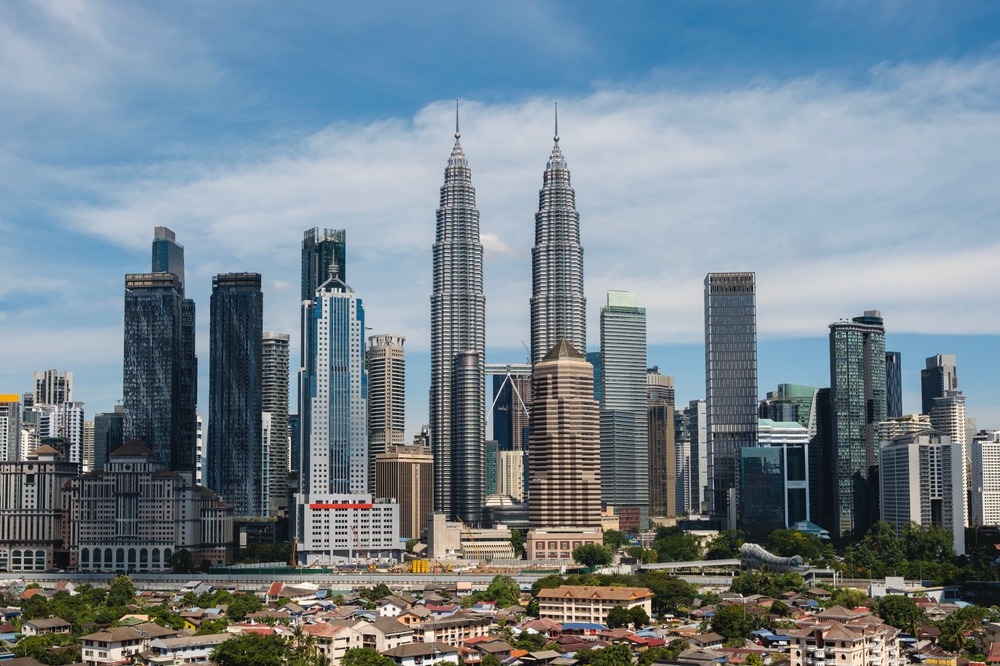
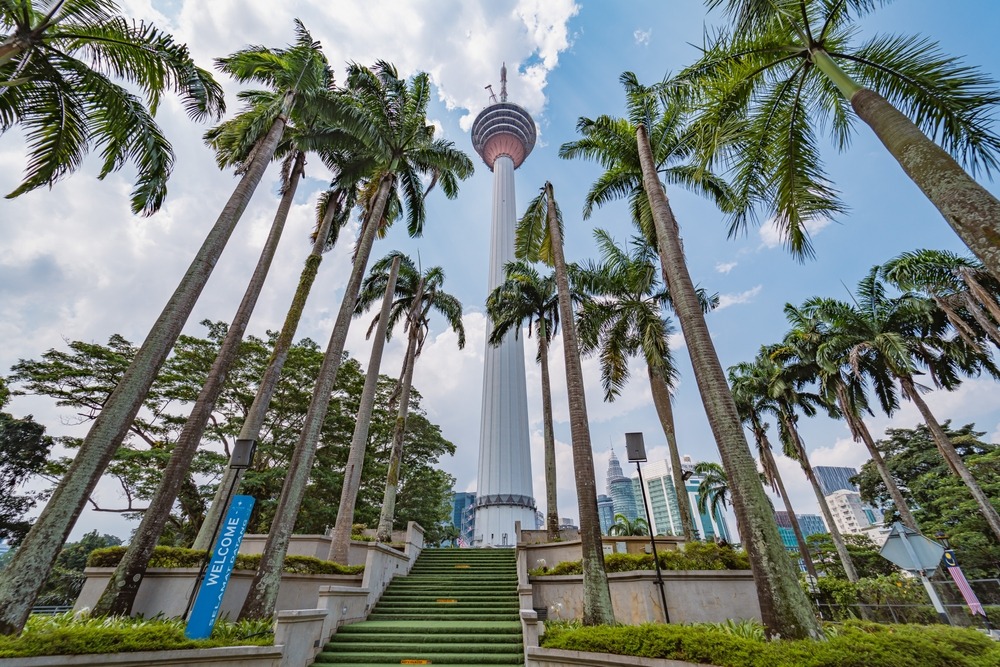
- Kuala Lumpur: Chinatown, Masjid Jamek and the Petronas Towers district complement a visit to the capital.
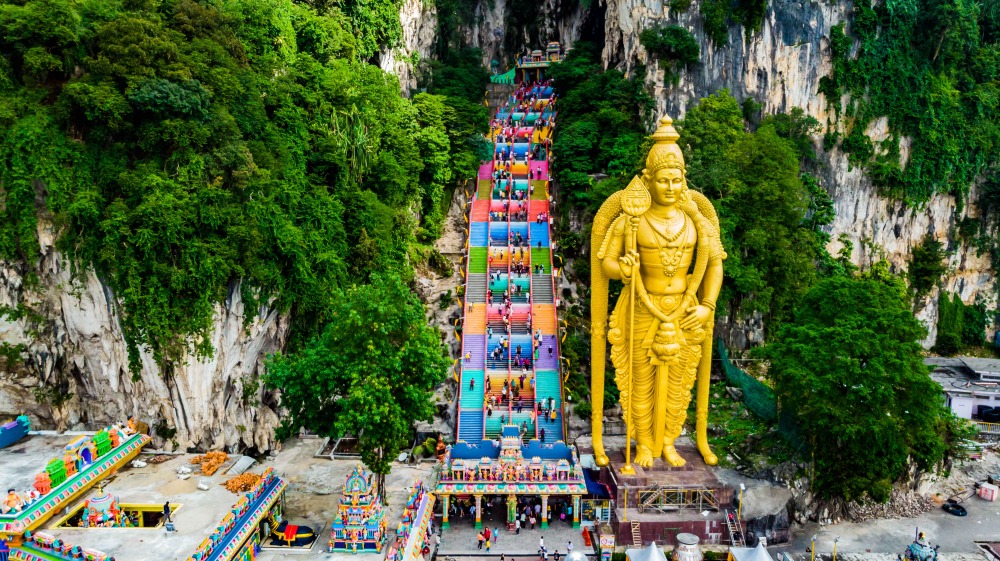
- Batu Caves, a Hindu sanctuary about thirty minutes to the north.
- Kek Lok Si Temple in Penang, to continue discovering the country's religious sites.
- Bako National Park and Batang Ai National Park, in Borneo, for a contrast with Malaysia's wild eastern nature.
Frequently asked questions
Frequently asked questions
Include Dataran Merdeka in your itinerary
The square fits naturally into an urban stop in Kuala Lumpur, complementing Batu Caves, Penang or the national parks of Borneo. To build a tailor-made itinerary combining colonial heritage, temples and nature, consult our Malaysia trips.
Nearby
Interested in this visit?
We can include it in your personalised itinerary.