Religion in Malaysia: Behavioral Guidelines
Malaysia is a country deeply shaped by religion. Understanding this cultural context will help you travel with greater ease and avoid missteps. Religion influences daily behaviors, dress codes, and how you interact with local people.
Malaysia is a country deeply shaped by religion. Understanding this cultural context will help you travel with greater ease and avoid missteps. Religion influences daily behaviors, dress codes, and how you interact with local people.
In this guide, you'll discover the main behavioral rules related to religion in Malaysia. By respecting them, you'll fully enjoy your journey while demonstrating consideration for local traditions.
Understanding Religious Diversity in Malaysia
Malaysian society is characterized by considerable religious diversity. Islam is the official religion of the country, and approximately 60% of the population is Muslim, primarily of Malay descent.
Other religions also hold significant places in society. Buddhism (19%) is practiced by a large portion of the Chinese community, while Hinduism (6%) brings together many Malaysians of Indian origin. Christianity (9%) also encompasses several communities.
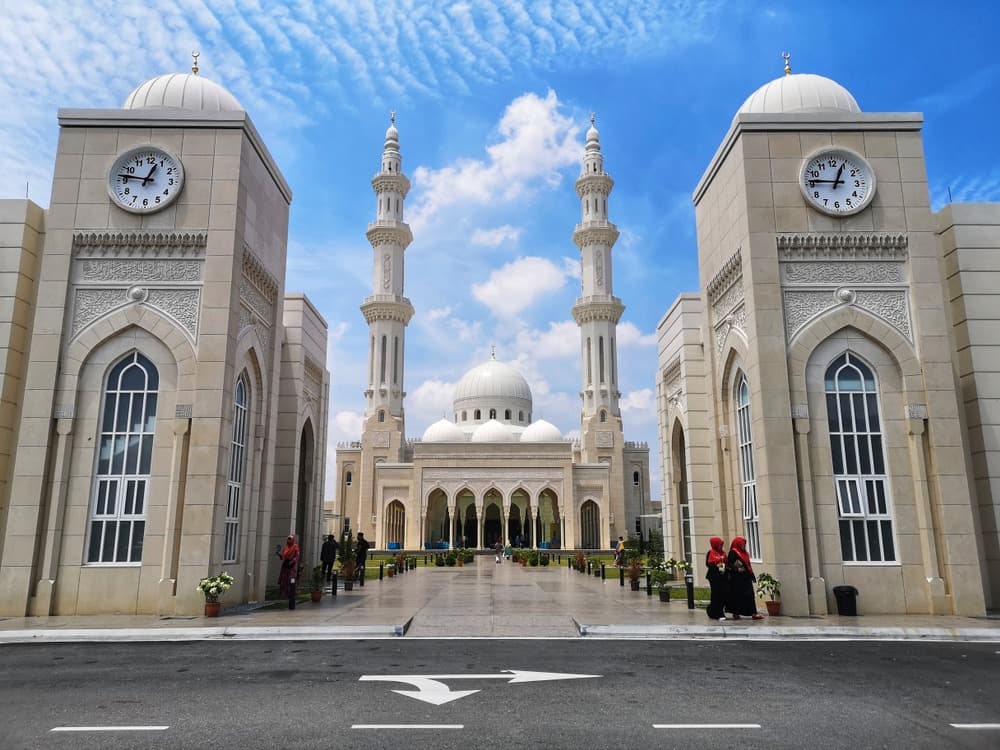
This diversity is reflected in the urban landscape. Mosques, Buddhist temples, Hindu temples, and churches often coexist within the same neighborhood.
Respecting Dress Codes
Dress code is a serious matter in Malaysia, regardless of your interlocutor's religion. Malaysian society values modesty as a sign of respect toward others.
In most public places, it's recommended to wear modest clothing. Overly revealing outfits are generally poorly perceived.
Here are the generally expected rules:
- cover your chest and shoulders
- wear skirts or shorts that reach at least to the knees
- favor loose-fitting clothes rather than tight ones
For women, long sleeves are often better accepted, especially in traditional areas.
In certain situations, particularly in places of worship, dress requirements are even stricter. Shoulders and knees must be covered, and women may sometimes need to wear a headscarf.
On beaches and in tourist areas, rules are generally more relaxed. Beachwear is tolerated, but certain limits remain important. Monokinis are considered inappropriate throughout the country. Bikinis, meanwhile, are preferable only in tourist areas and remain inadvisable on the east coast.
Removing Shoes in Religious Sites and Homes
An essential rule related to religious traditions is to remove your shoes before entering certain places.
This practice applies particularly in:
- mosques,
- Hindu temples,
- many homes,
- certain traditional accommodations such as guesthouses or local homestays.
Shoe soles are considered impure because they've been in contact with the street.
You'll often see shelves or dedicated spaces to leave your shoes at the entrance. It's important to respect this rule without waiting to be asked.
Adopting Respectful Conduct in Places of Worship
Mosques, temples, and churches are among the cultural sites you may visit during your journey. However, these places remain above all spaces of prayer.
In addition to removing your shoes before entering, several rules must be respected in mosques:
- wear long pants and long sleeves for men
- cover shoulders and head for women
- remain silent and discreet
In most mosques, women must wear a long dress and headscarf. These garments are generally provided at the entrance.
It's also important to know that, in general, non-Muslims cannot enter the main prayer hall of a mosque. However, they may observe the interior from outside.
Moreover, visits are generally not permitted during prayer times. It's therefore preferable to check at the entrance before entering the building.
Photography may also be limited or prohibited in certain areas. When allowed, it's recommended to remain discreet and avoid photographing worshippers during prayer.
In Buddhist or Hindu temples, you are likewise asked to remove your shoes and respect spaces reserved for practitioners.
Respecting Islamic Practices
Islam influences many aspects of daily life in Malaysia. The call to prayer echoes five times a day in cities and villages. Certain activities may be temporarily interrupted, notably Friday at noon, the time of the most important prayer of the week.
During Ramadan, Muslims fast from sunrise to sunset. This period changes the rhythm of daily life. Travelers are encouraged to adopt a few respectful behaviors:
- avoid eating in public during the day
- refrain from drinking or smoking in front of those who are fasting
- remain discreet in public spaces
Exercise Discretion with Alcohol
Alcohol consumption is permitted in Malaysia, but it remains regulated. Muslims do not consume it, and certain halal restaurants do not serve alcohol.
In major cities, it's easy to find bars or restaurants that offer alcoholic beverages. However, it's advisable to remain discreet in your consumption, especially outside establishments designated for this purpose.
Drinking alcohol in the street or in a public place is generally poorly viewed.
Respecting Certain Politeness Rules Linked to Beliefs
Certain cultural habits are directly related to the country's religious and spiritual traditions.
- Avoid Touching the Head
In many Asian cultures, the head is considered a sacred part of the body. It's therefore important not to touch someone's head, even that of a child.
- Use Your Right Hand
The left hand is traditionally considered impure in Malay and Indian cultures. It's therefore preferable to use your right hand when eating, giving or receiving an object, or greeting someone.
- Don't Point with Your Finger
Pointing directly at a person with your index finger may be considered rude. When you need to indicate a direction, it's better to use a closed fist (right hand) with thumb extended.
Greeting with Respect According to Religious Traditions
Greetings vary depending on the cultural or religious background of the person you meet. When greeting someone, favor a light handshake. The handshake is common in Malaysia, but it remains generally less firm than in Western countries.
If you meet a Muslim person of the opposite sex, always wait for them to extend their hand first. In certain more traditional circles, men and women do not shake hands. If no gesture is initiated, simply offer a smile and a slight nod of the head.
After a handshake, some Muslims place their right hand on their chest. If your interlocutor adopts this gesture, consider it a mark of respect and goodwill.
Avoid Public Displays of Affection
Malaysian society remains quite conservative in the public expression of feelings. Gestures like holding hands are generally accepted, but more marked displays of affection are poorly viewed.
It's therefore preferable to avoid:
- kissing in public
- overly intimate gestures
- behaviors that draw attention
Remain Calm in Interactions
Malaysian culture places great importance on social harmony and mutual respect. Disputes, raised voices, or overly visible reactions in public are generally poorly perceived.
If you need to express disagreement or lodge a complaint, adopt a calm and measured attitude. It's preferable to present your point of view with courtesy and patience rather than showing annoyance.
Understanding Certain Local Religious Particularities
In Malaysia, Islam is not practiced uniformly throughout the country. In certain northeastern states, such as Kelantan or Terengganu, the principles of Muslim life are applied more strictly and influence daily behaviors more significantly.
In these more conservative regions, dress codes and conduct rules are generally observed with greater attention. A strict respect for local codes is also expected of visitors.